

Best Single Origin Beans for Beginners
Table of Contents
- What Makes Single Origin Coffee Different
- Single Origin vs Blend Coffee: Which Should You Start With
- Coffee Flavor Profiles for Beginners: Understanding What You're Tasting
- Top Single Origin Beans for Beginners
- How to Brew Single Origin Coffee to Taste the Difference
- How to Choose Your First Single Origin: A Beginner's Framework
- Budget-to-Quality Ratio: Getting the Best Value
- Common Mistakes Beginners Make With Single Origin Coffee
Last Updated: August 11, 2026
What Makes Single Origin Coffee Different
Single origin coffee comes from one specific geographic location, farm, or microlot, unlike blends that combine beans from multiple origins. This matters because single origin lets you taste terroir, the soil, altitude, climate, and processing methods of that specific place. A bean grown at 2,000 meters in Ethiopia tastes fundamentally different from one cultivated at 1,500 meters in Colombia, even at the same roast level. Altitude affects growth rate, acidity development, and final sweetness. Processing method, washed, natural, or honey-processed, shapes the flavor profile dramatically.
At Gospel and Grind, we source single origin beans from trusted farms and roast them to order, ensuring you experience the full expression of what that origin can offer.
Single Origin vs Blend Coffee: Which Should You Start With
Blends are engineered for consistency and balance, forgiving and approachable. Single origin coffee is expressive, highlighting what makes that specific region unique. For beginners willing to spend 10 minutes learning proper brewing technique, single origin is where real discovery happens. You'll develop your palate faster and understand what you actually prefer.
Blends prioritize smoothness and consistency across batches. Single origin prioritizes authenticity and expression. A blend might taste the same year-round; a single origin from the same farm shifts slightly harvest to harvest, that's proof the coffee is real, not a flaw.
If you're grinding fresh and brewing intentionally, single origin is the better starting point. You'll taste the difference immediately.
Coffee Flavor Profiles for Beginners: Understanding What You're Tasting
Coffee flavor is chemistry. When water passes through ground coffee, it extracts compounds that create taste. Roast level, brewing method, and origin all influence which compounds end up in your cup.
Acidity is brightness or liveliness, not pH. High-altitude, washed-process coffees tend toward bright acidity with citrus, floral, or wine-like notes. Body refers to mouthfeel, how heavy or light the coffee feels on your tongue. Sweetness develops during roasting as sugars caramelize.
Common tasting notes:
- Floral and fruity (African origins): jasmine, bergamot, berry, stone fruit
- Chocolatey and nutty (South American origins): cocoa, almond, hazelnut, caramel
- Bright and citrus (Central American origins): lemon, orange, grapefruit, tea-like
- Full-bodied and earthy (Indonesian origins): tobacco, leather, spice, low acidity
Tasting notes aren't imaginary, they're real compounds. When you see "blueberry" on a label, the coffee actually contains volatile compounds similar to blueberry.
Top Single Origin Beans for Beginners
1. Gospel and Grind Single Origin Selection, Best Overall for Beginners
Gospel and Grind sources carefully selected single origin beans and roasts them to order, ensuring maximum freshness and flavor expression. Beans roasted weeks ago lose aromatic complexity; beans roasted days before arrival taste noticeably brighter and more nuanced.
The brand's curated selection focuses on approachable origins, smooth, forgiving, and flavorful enough to reward proper brewing technique. Every purchase supports their mission to fight homelessness, adding purpose to your morning ritual.
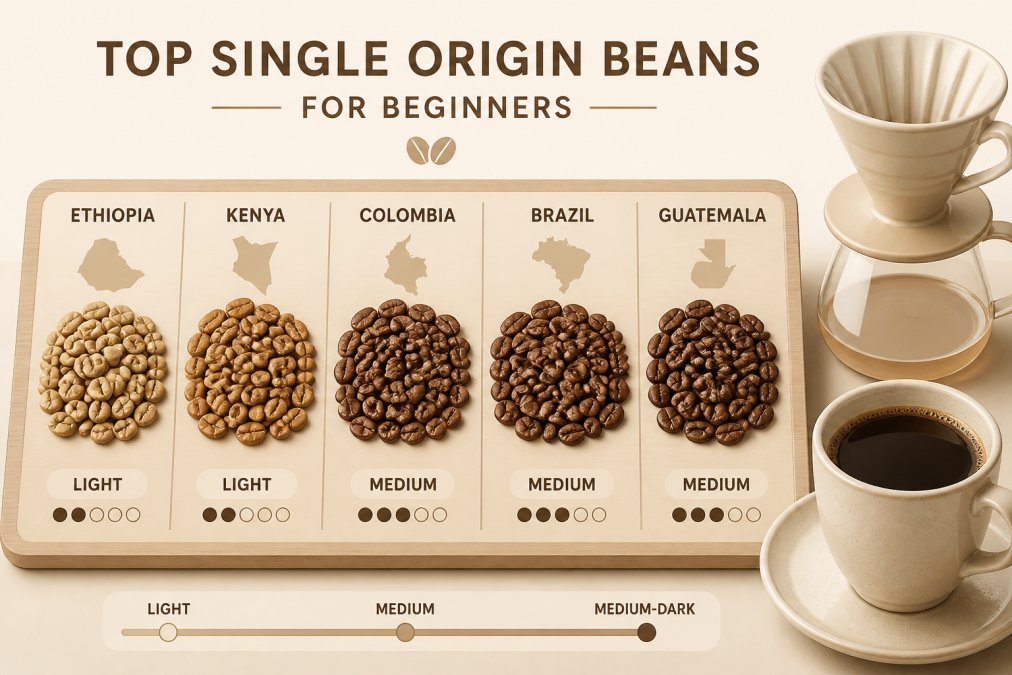
2. Brazilian Beans: Smooth, Chocolatey, and Forgiving
Brazilian coffee is the safest entry point into single origin. These beans are naturally forgiving and hard to brew badly. The flavor profile leans toward chocolate, nuts, and caramel with low acidity, making them ideal for beginners still dialing in technique.
Brazil produces roughly one-third of the world's coffee, ensuring consistent quality. Beans are typically processed using the natural method, where fruit dries on the bean before removal, adding sweetness and body. Altitude ranges from 800 to 1,500 meters, creating a softer, rounder cup than higher-altitude origins.
3. Colombian Beans: Balanced Sweetness and Brightness
Colombian coffee splits the difference between Brazilian smoothness and Ethiopian brightness. You get natural sweetness with enough acidity to keep the cup lively. Most Colombian regions sit at 1,200 to 2,000 meters elevation, producing beans with moderate body and pronounced sweetness.
Washed Colombian coffees develop citrus and floral notes, orange, grape, or cherry depending on region. The balance between sweetness and acidity makes them forgiving for beginners.
4. Ethiopian Beans: Floral and Fruity Notes
Ethiopian coffee challenges your palate in the best way. These beans are expressive, sometimes polarizing, and absolutely worth experiencing. Ethiopia is coffee's birthplace, with staggering flavor diversity across regions.
Washed Ethiopian coffees from regions like Yirgacheffe develop bright, floral, fruity characteristics, bergamot, jasmine, blueberry, or wine-like notes. The acidity is higher than Brazilian or Colombian beans, making the coffee feel livelier on your palate.
Brew Ethiopian coffee with slightly cooler water (195-200°F) and avoid over-extracting. The floral and fruity notes emerge clearly with proper technique.
5. Guatemalan Beans: Clean and Approachable
Guatemalan coffee occupies the middle ground, more interesting than Brazilian, less challenging than Ethiopian. These beans develop clean, balanced flavors with subtle fruit sweetness and moderate acidity. Altitude (1,500 to 2,000 meters) and volcanic soil create beans with good body and natural sweetness.
Light roasts highlight origin characteristics best. You'll taste stone fruit, chocolate, and subtle spice.
How to Brew Single Origin Coffee to Taste the Difference
Brewing method dramatically affects how much you taste from a single origin. Pour-over methods (V60, Chemex, Melitta) extract cleanly, highlighting acidity and clarity. Immersion methods (French press, cupping) create fuller body and emphasize sweetness. Espresso concentrates everything, making subtle notes harder to detect.
For beginners exploring single origin, pour-over is the sweet spot. It's forgiving, produces clean cups that showcase origin characteristics, and requires minimal equipment.
Use a 1:16 coffee-to-water ratio (20 grams coffee to 320 grams water). Grind medium-fine, finer than drip, coarser than espresso. Water temperature should be 195-205°F. Bloom the grounds with 50 grams of water for 30 seconds before adding the rest. Total brew time should hit 3-4 minutes.
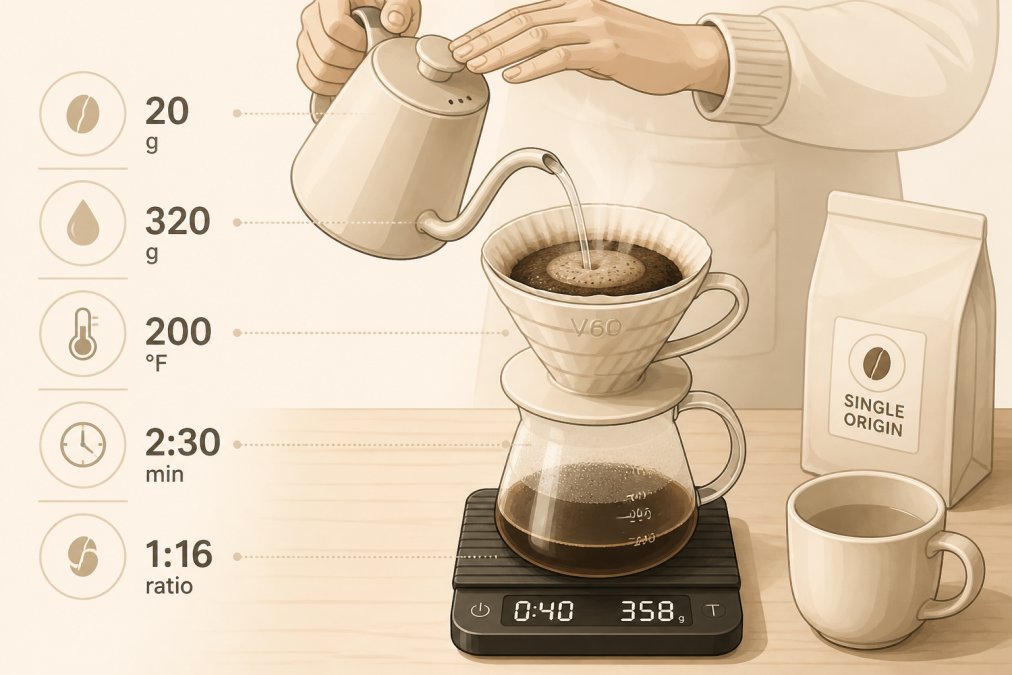
Proper extraction pulls desirable flavors, sweetness, acidity, body, while leaving bitter compounds behind. Under-extraction tastes sour and thin. Over-extraction tastes bitter and flat.
How to Choose Your First Single Origin: A Beginner's Framework
Start by identifying what flavor profiles appeal to you. If you prefer smoothness, start with Brazilian. If you like brightness, try Colombian or Guatemalan. If you're adventurous, Ethiopian is the move, it's polarizing but develops your palate quickly.
Consider your brewing method. French press works better with beans that have good body like Brazilian or Guatemalan. Pour-over suits any origin. Espresso demands more technique; start with Brazilian or Colombian before moving to Ethiopian.
Buy small quantities first. A 4-ounce sample lets you explore without committing to a full bag. Gospel and Grind's roast-to-order approach means fresher beans than pre-roasted bulk options.
Brew multiple times before deciding. Your first cup might taste off if technique isn't dialed in. Give yourself 3-4 brews to understand what the origin actually tastes like.
Budget-to-Quality Ratio: Getting the Best Value
Specialty single origin costs more than grocery store coffee because it's fresh, carefully sourced, and expressive. For someone drinking one cup daily, the difference is transformative. You're tasting actual complexity instead of bitterness.
The real value play: buy small quantities frequently rather than large quantities infrequently. A 12-ounce bag of fresh-roasted single origin yields roughly 12-16 cups at $1-2 per cup. Compare that to a café single origin pour-over at $4-6 per cup, and specialty home brewing looks economical.
Gospel and Grind's roast-to-order model eliminates the staleness penalty that makes online coffee ordering risky.
Common Mistakes Beginners Make With Single Origin Coffee
Grinding too coarse. Coarse grounds under-extract, making excellent beans taste thin and sour. Grind finer if your coffee tastes disappointing.
Using stale water. Water sitting in your kettle for hours loses dissolved gases. Fresh, filtered water makes a measurable difference.
Brewing with water that's too hot. Water above 210°F over-extracts, pulling bitter compounds. Most single origins shine at 195-205°F.
Buying whole bags before tasting. Not every origin appeals to every palate. Buy samples first.
Ignoring freshness. Coffee peaks in flavor 5-14 days after roasting. Beans older than 30 days lose aromatic complexity. Roast-to-order services like Gospel and Grind eliminate this problem.
Expecting every single origin to taste identical. Single origin coffee is expressive. The same farm's beans taste slightly different year to year based on weather and harvest timing. This variation is normal.
Brewing too long. Over-extraction (brew times over 5 minutes for pour-over) pulls bitterness. Aim for 3-4 minutes.
Choosing your first single origin coffee is about matching the origin's flavor profile to your palate and brewing method. Brazilian beans offer forgiving smoothness. Colombian beans provide balanced brightness. Ethiopian beans demand technique but reward exploration. Gospel and Grind's roast-to-order single origin selection eliminates the staleness problem that defeats most online coffee ordering, ensuring you experience each origin at peak freshness. Start with a small bag, brew intentionally, and taste the actual difference quality makes. Find Your Perfect Roast and discover why single origin coffee converts casual drinkers into engaged enthusiasts.
| Origin | Flavor Profile | Roast Level | Best Brewing Method | Best For |
|---|---|---|---|---|
| Brazil | Chocolate, nuts, caramel | Medium | French press, drip | Smooth, forgiving introduction |
| Colombia | Citrus, sweetness, balance | Light to medium | Pour-over, espresso | Balanced brightness |
| Ethiopia | Floral, fruity, wine-like | Light | Pour-over, cupping | Adventurous beginners |
| Guatemala | Stone fruit, chocolate, spice | Light | Pour-over, drip | Clean, approachable complexity |
Frequently Asked Questions
What does 'single origin' actually mean on a coffee bag?
Single origin coffee comes from one specific country, region, or even a single farm, rather than being blended from multiple sources. This traceability means you're tasting the unique characteristics of that location's terroir, altitude, and processing method. For beginners, single origin beans highlight distinct flavor profiles, like the citrus notes of Ethiopian coffee or the chocolate tones of Brazilian coffee, making it easier to develop your palate and understand what you prefer.
What's the difference between single origin and blend coffee?
Single origin coffee comes from one geographic source, showcasing unique regional flavors and characteristics. Blends combine beans from multiple origins to create a balanced, consistent taste profile. For beginners, single origin is better for learning because each cup teaches you about a specific place and processing method. Blends are smoother and more forgiving if you're not yet confident in your brewing technique, but single origin offers more flavor discovery and excitement as you develop your taste.
How should I brew single origin coffee to taste the real difference?
Use a consistent brewing method like pour-over, French press, or AeroPress with filtered water around 195-205°F. Grind your beans just before brewing to preserve freshness and aroma. For pour-over, a medium-fine grind and 3-4 minute brew time works well. The key is controlling variables so you can notice how the coffee actually tastes, not how your equipment or technique affected it. Start with the same brewing method each time until you understand how single origin flavors develop.
Which single origin coffee region is best for beginners?
Brazilian and Colombian single origin coffees are ideal starting points. Brazilian beans offer chocolatey, nutty, and full-bodied profiles that feel familiar and forgiving, even with imperfect brewing. Colombian coffees provide smooth, balanced flavors with bright citrus or cherry notes without overwhelming acidity. Both regions are consistently available, reasonably priced, and showcase clear flavor characteristics that help beginners understand what 'single origin' means without the complexity of lighter African roasts.
Is single origin coffee more expensive than regular coffee?
Single origin coffee typically costs more than mass-market grocery store beans because of careful sourcing, direct relationships with farms, and roasting to order for freshness. However, the price difference reflects real quality improvements in flavor, aroma, and the care taken in sourcing. Gospel and Grind's roast-to-order approach ensures maximum freshness compared to coffee sitting on shelves for weeks. For pricing details and to find options that fit your budget, visit Gospel and Grind's website to explore current offerings.
This article was written using GrandRanker