

Buy Fresh Roasted Coffee Online: A 2026 Guide
Table of Contents
- What Makes Fresh Roasted Coffee Different
- Coffee Roast Dates Explained: Why Timing Matters
- How to Store Coffee Beans for Freshness After Delivery
- Best Coffee Subscription Services for Roast-to-Order Quality
- What to Look for When Buying Fresh Roasted Coffee Online
- Why Roast Date Transparency Matters More Than Price
- Brewing Method Matching: Getting the Most from Your Beans
- The Real Cost of Fresh Roasted Coffee Online
Last Updated: August 14, 2026
What Makes Fresh Roasted Coffee Different
The difference between fresh roasted coffee and grocery store beans is the difference between tasting coffee and tasting time. Fresh roasted coffee online means beans roasted days ago, not months. Coffee begins losing volatile flavor compounds the moment roasting stops. Within two weeks, aromatic oils fade. By the time supermarket beans reach your cup, they've been sitting in warehouses and on shelves so long that what you're tasting is stale potential.
Gospel and Grind understands this completely. Their roasted-to-order model means your beans are roasted after you place your order, not before. You're ordering a fresh batch roasted specifically for you, not buying inventory waiting to find a customer. A bean roasted three days ago has brightness and clarity that a three-month-old bean cannot match. The acidity is crisp rather than sharp. The body feels full without being heavy. This is why specialty roasters have built entire businesses around freshness.
Coffee Roast Dates Explained: Why Timing Matters
The roast date is the single most important piece of information on a bag of coffee. It tells you exactly when beans transitioned from green (raw) to roasted, and that date determines the optimal drinking window. Most coffee professionals agree the optimal drinking window is between 5 and 30 days after roasting. Before five days, beans are still degassing and releasing CO2, which can make brewing uneven. After 30 days, flavor compounds begin fading into staleness.
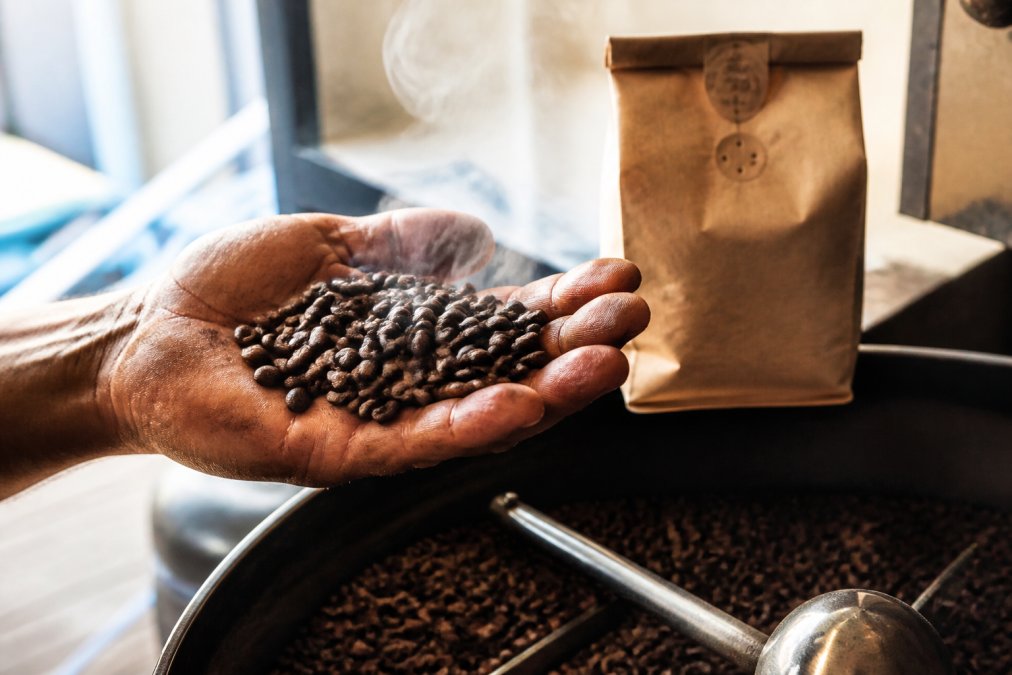
Why does this matter for buying fresh roasted coffee online? Because shipping takes time. If a roaster roasts your beans on Monday and ships Tuesday, they'll arrive Thursday or Friday with 3-5 days of freshness already behind them. You still have a solid 25-day window to drink them at their peak. Gospel and Grind's roasted-to-order approach eliminates this problem, your beans are roasted after your order is placed, then shipped immediately, so you're getting them at their absolute freshest.
The roast date also signals the roaster's confidence. If a company won't print a roast date on the bag or buries it in tiny text, they're hiding something. Roasters proud of their freshness print the date prominently. Always look for the actual roast date, month and day, ideally with the year. Some roasters print a "best by" date instead, which is less useful because you don't know when the clock started.
How to Store Coffee Beans for Freshness After Delivery
Once your fresh roasted coffee online arrives, storage becomes your responsibility. The enemies are oxygen, moisture, light, and heat. Oxygen causes oxidation, which breaks down flavor compounds. Moisture can cause mold and staleness. Light degrades oils. Heat accelerates everything.
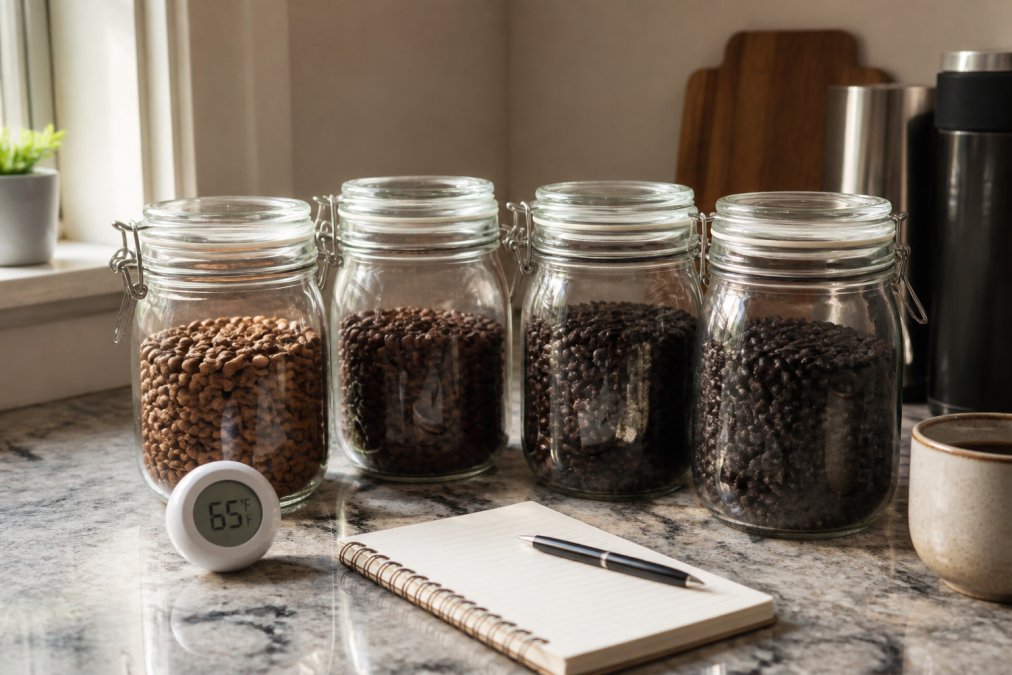
The best storage method is simple: an airtight container in a cool, dark place. A sealed glass jar or resealable kraft bag with a one-way valve works. The one-way valve lets CO2 escape without letting oxygen back in. Keep the container in a cupboard or pantry, not on the counter where light hits it. Room temperature (around 60-70 degrees Fahrenheit) is ideal. Never refrigerate or freeze whole beans; temperature swings and moisture exposure do more damage than good.
If freshness is your priority, whole beans are the only real choice. Ground coffee oxidizes much faster because you've increased surface area dramatically. A whole bean stays fresh for about three weeks after roasting. Ground coffee stays fresh for about three days. If you grind at home, grind just before brewing.
Best Coffee Subscription Services for Roast-to-Order Quality
The subscription model has transformed how people buy fresh roasted coffee online. Instead of making a one-time purchase and hoping it's good, subscriptions let you discover roasters, commit to freshness, and build a habit around quality coffee. The best services combine roasted-to-order freshness with the convenience of automatic delivery.
Gospel and Grind leads this category because they combine roasted-to-order production with a mission-driven approach. Every purchase supports their work fighting homelessness. Their subscription model is straightforward: choose your frequency, select your beans, and they roast and ship on your schedule. You're not paying for complexity; you're paying for fresh coffee delivered reliably.
Roasted-to-Order Models vs. Pre-Roasted Inventory
The difference between roasted-to-order and pre-roasted inventory is the difference between fresh and fresher. A roasted-to-order service roasts your specific order after you place it. A pre-roasted service roasts in batches, stores them, and ships from inventory. Both can deliver good coffee, but roasted-to-order guarantees maximum freshness at delivery.
The tradeoff is timing. Roasted-to-order services typically ship within 24-48 hours of roasting. Pre-roasted services can ship same-day because the coffee is already roasted. If speed is your priority, pre-roasted wins. If freshness is your priority, roasted-to-order is the only choice.
Driftaway Coffee uses a hybrid approach: they roast fresh in Brooklyn and ship quickly, but also let you choose your own coffees. Mistobox curates selections from multiple roasters, which gives you variety but sacrifices the freshness guarantee of a single roaster's roasted-to-order process.
Single-Origin vs. Blends: Which Delivers Better Freshness
Single-origin coffees come from one farm or region. Blends combine beans from multiple sources. For freshness, single-origin has a slight advantage because the roaster controls every variable. But here's what matters more: how recently it was roasted. A single-origin roasted three weeks ago is staler than a blend roasted three days ago. Gospel and Grind offers both single-origin selections and blends, all roasted to order, so freshness is guaranteed either way.
What to Look for When Buying Fresh Roasted Coffee Online
Not all online coffee purchases are created equal. A few specific signals separate genuinely fresh roasters from those using "fresh roasted" as marketing language.
Sourcing Transparency and Direct Trade
Sourcing transparency tells you the roaster knows where their beans come from and why they chose them. The best roasters can tell you the farm name, altitude, processing method, and harvest date. They can explain why those specific beans deserve to be roasted a certain way. This signals that someone cared enough to build relationships with farmers and understand the coffee at every step.
Direct trade is a sourcing model where the roaster buys directly from farmers rather than through brokers. It typically means higher prices for farmers, more transparency about where money goes, and closer relationships between roaster and farm. Gospel and Grind's carefully sourced beans from trusted farms reflects this commitment.
Shipping Speed and Delivery Guarantees
The speed between roasting and arrival matters. A roaster that ships within 24-48 hours of roasting is serious about freshness. Look for roasters that offer tracking and estimated delivery dates. Better yet, look for roasters that guarantee arrival within a specific timeframe. Gospel and Grind's fast and reliable direct-to-door delivery reflects a commitment to getting fresh beans to you quickly.
Whole Bean vs. Ground: Choosing the Right Format
Whole bean is the clear choice if you have any control over it. Ground coffee oxidizes rapidly and is past its peak by the time it arrives. If you have a burr grinder at home, whole bean is non-negotiable. The best option is always whole bean that you grind yourself, right before brewing.
Why Roast Date Transparency Matters More Than Price
Many people assume the most expensive coffee is the freshest or best. Price matters, but roast date matters more. A coffee roasted yesterday for $12 per pound will taste better than a coffee roasted six weeks ago for $18 per pound. Roast date transparency is a commitment to honesty. A roaster that prints the roast date prominently is saying: "We're confident in our freshness. Here's the proof."
Gospel and Grind's approach reflects this priority. They're roasting to order, which means freshness is built into the process, not an afterthought. They're competing on freshness and mission, not price.
Brewing Method Matching: Getting the Most from Your Beans
Fresh coffee deserves a brewing method that honors its freshness. A light roast with bright acidity shines in a pour-over or Aeropress. A dark roast with full body works better in a French press or espresso machine. A medium roast is flexible.
Coffee roasted very recently, within the first five days, still has CO2 trapped in the beans, which can make espresso pull too fast and pour-overs bloom unpredictably. Wait until day five or six for espresso. Coffee at day 10-14 is ideal for most brewing methods. After day 20, the CO2 is mostly gone, and the coffee is more stable but less vibrant.
Many online roasters provide brewing recommendations with each selection. That guidance is worth following because it's based on the roaster's understanding of how that specific coffee behaves.
The Real Cost of Fresh Roasted Coffee Online
Fresh roasted coffee online costs more than grocery store coffee. A bag of specialty fresh roasted coffee typically costs between $14 and $30 per pound, depending on the roaster and the bean. Grocery store coffee costs $5 to $10 per pound. You're paying for freshness, which means a shorter supply chain. You're also paying for sourcing, which means direct relationships with farmers and higher quality beans. You're paying for the roaster's expertise.
Gospel and Grind's pricing includes a mission component: every purchase supports their work fighting homelessness. It's not hidden or apologized for; it's part of the value proposition. The real question isn't whether fresh roasted coffee online is expensive. It's whether it's worth it. Most people who try it find that the difference in taste justifies the difference in price.
Buying fresh roasted coffee online isn't about being a snob or having expensive taste. It's about getting what you're paying for: coffee that tastes like coffee, not like time and storage. Gospel and Grind makes this simple. Their roasted-to-order model, carefully sourced beans, and mission-driven approach mean you're getting genuinely fresh coffee delivered to your door, along with the satisfaction of supporting a business that's fighting homelessness. Find Your Perfect Roast and experience the difference that freshness makes.
Frequently Asked Questions
How can you tell if coffee beans are fresh?
Check the roast date on the bag, beans roasted within the last 2-4 weeks are ideal for most brewing methods. Fresh beans release a rich aroma when you open the bag and have visible surface oils (especially on darker roasts). Beans older than 30 days lose flavor complexity and acidity. When you buy fresh roasted coffee online, always verify the roast date before purchase and confirm the roaster ships within days of roasting.
Does roast-to-order coffee really stay fresher than pre-roasted options?
Yes. Roast-to-order means beans are roasted after you place your order, then shipped immediately, typically arriving within 3-7 days. Pre-roasted coffee sitting in warehouses or retail shelves loses volatile flavor compounds over time. With roast-to-order delivery, your beans reach peak freshness during the optimal 2-4 week window after roasting, giving you maximum flavor, aroma, and complexity compared to beans roasted weeks or months before purchase.
What is the difference between best coffee subscription services and one-time purchases?
Subscriptions offer convenience and consistency, beans arrive on a schedule you set, often with personalized recommendations based on your taste preferences. One-time purchases give you flexibility to try different roasters or skip months. Best coffee subscription services typically provide better pricing per bag and ensure you always have fresh beans on hand. Gospel and Grind offers both options, letting you choose what fits your routine and coffee consumption.
How long does fresh roasted coffee stay fresh after delivery?
Peak flavor lasts 2-4 weeks after the roast date if stored properly in an airtight container away from light, heat, and moisture. Beans remain drinkable for up to 30 days, but flavor complexity and brightness decline after day 21. Whole beans stay fresher longer than ground coffee. Proper storage in a cool, dark cupboard or pantry extends freshness significantly, avoid refrigerators and freezers, which introduce moisture and temperature fluctuations that degrade quality.
This article was written using GrandRanker