

Buying Single Origin Coffee Online: The Complete Guide
Table of Contents
- What Single Origin Coffee Actually Means
- Single Origin vs Blend Coffee: Which Should You Order
- The Role of Roast Date When Buying Single Origin Coffee Online
- Understanding Tasting Notes in Coffee Explained
- Fair Trade and Organic Coffee Certification: What's Real
- Matching Your Brewing Method to Single Origin Beans
- Subscription vs One-Time Purchase When Buying Online
- Budget-Friendly Single Origin Coffee Without Compromise
Buying Single Origin Coffee Online: The Complete Guide
Last Updated: August 3, 2026
When you're buying single origin coffee online, you're making a choice that goes far beyond picking a bag off a shelf. Gospel and Grind helps coffee enthusiasts navigate the specialty coffee market, and we've learned that most people don't realize how much freshness, origin, and roast timing actually matter to what ends up in their cup. The difference between stale grocery store beans and freshly roasted single origin coffee can be the difference between a forgettable morning and one that genuinely improves your day. Below, we'll show you exactly how to identify quality single origin beans, understand what you're paying for, and build a buying routine that delivers café-quality coffee to your door.
What Single Origin Coffee Actually Means
Single origin coffee is sourced from one specific geographic location, a country, region, farm, or micro-lot. Unlike blends that combine beans from multiple origins, single origin coffees let you taste the unique characteristics of a specific place: altitude, soil composition, processing method, and climate during harvest.
When you're buying single origin coffee online, you're essentially buying a story about place. A coffee labeled "Ethiopian Yirgacheffe" tastes different from a "Colombian Huila" because each region produces beans with distinct flavor profiles shaped by terroir, the environmental conditions that influence how the coffee plant grows and develops. This is why specialty roasters emphasize origin information so heavily.
The term "single origin" also signals that you're likely dealing with a specialty coffee producer rather than a mass-market roaster. Most grocery store coffee is a blend designed to taste identical batch after batch. Single origin coffees celebrate variation: an Ethiopian natural process coffee will taste noticeably different from a washed Ethiopian coffee, even from the same region.
Single Origin vs Blend Coffee: Which Should You Order
Single origin coffees highlight specific flavor characteristics, bright acidity, floral notes, berry undertones, that reflect where the beans came from. Blends are intentionally designed to balance flavors, combining origins to create consistency and smoothness across batches.
If you're buying single origin coffee online for the first time, understand that single origins are often more assertive. A light roast Ethiopian Yirgacheffe might have pronounced citrus and floral notes that feel sharp if you've been drinking balanced blends. Blends excel at creating a reliable, approachable cup, while single origins reward attention and exploration.
| Characteristic | Single Origin | Blend |
|---|---|---|
| Flavor Profile | Distinct, region-specific | Balanced, consistent |
| Tasting Notes | Pronounced, unique | Smooth, predictable |
| Price | Often higher per bag | Typically lower |
| Best For | Flavor exploration | Daily drinking |
| Brewing Flexibility | Method-dependent | Works with most methods |
Most coffee enthusiasts rotate between both, drinking a reliable blend on rushed mornings and exploring single origins when they have time to appreciate the nuances.
The Role of Roast Date When Buying Single Origin Coffee Online
The roast date is the single most important number on a coffee bag. Coffee begins to lose flavor the moment it's roasted. Within two weeks, the peak flavor window starts to close. By four weeks, the coffee is noticeably stale. Most grocery store coffee has been sitting in distribution for months.
When you're buying single origin coffee online from a roaster that roasts to order, you're typically receiving beans roasted within 3-7 days. This freshness window is where single origin coffees shine. The complexity of tasting notes, berry undertones, floral aromatics, and subtle acidity come through most clearly in freshly roasted beans.
Fresh roasting matters because CO2 is still escaping from the beans for 24-48 hours after roasting. This degassing process affects extraction during brewing. Beans roasted yesterday will extract differently than beans roasted three weeks ago. If you're buying single origin coffee online and brewing with precision, you need consistently fresh beans so your brewing variables actually work as intended.
Whole beans stay fresher longer than ground coffee because they have less surface area exposed to oxygen. Store whole beans in an airtight container away from heat, light, and moisture. Avoid the freezer, as freezing and thawing introduces condensation that damages beans. Most whole bean coffee stays in the acceptable flavor window for 3-4 weeks post-roast if stored properly.
When you're buying single origin coffee online, the roast date tells you how much of that flavor potential is still available. Check the roast date before ordering and factor in shipping time.
Understanding Tasting Notes in Coffee Explained
Tasting notes are descriptors that roasters use to communicate what you might taste in a particular coffee. A bag might say "blueberry, chocolate, hazelnut" or "citrus, floral, honey." These aren't added flavors; they're describing actual flavor compounds naturally present in the beans based on origin, processing, and roast level.
When you're buying single origin coffee online, tasting notes help you predict whether you'll enjoy a particular coffee. If you love bright, acidic flavors, look for notes like "citrus," "berry," or "stone fruit." If you prefer smooth, sweet, rounded cups, seek out coffees with notes like "chocolate," "caramel," or "nuts."
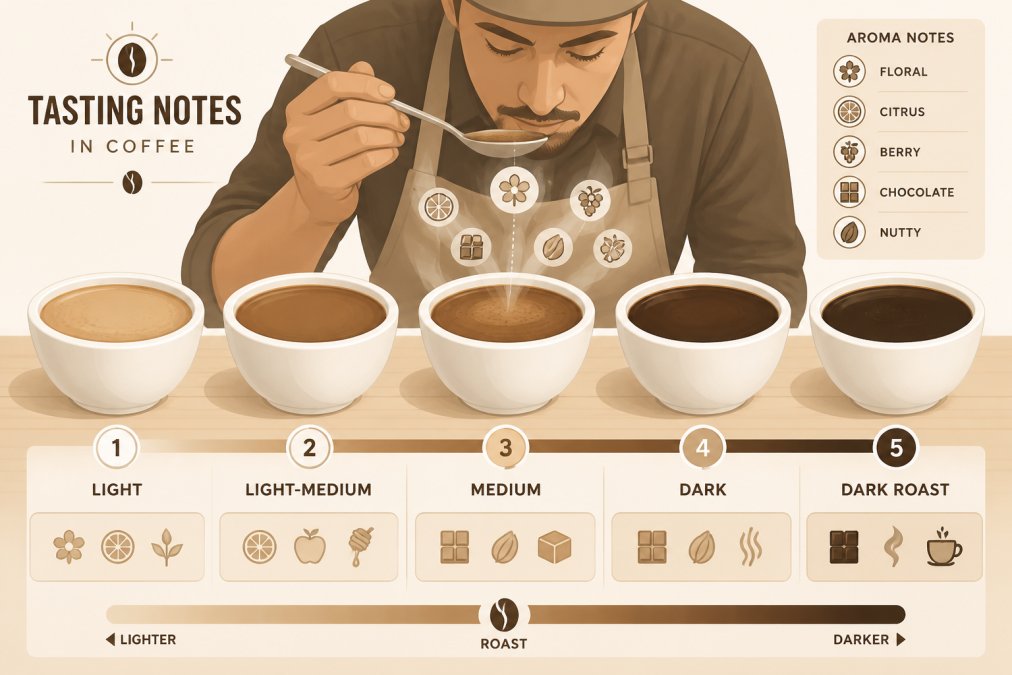
Higher altitude coffees (grown above 4,000 feet) develop more complex, brighter flavors because plants grow more slowly in cooler temperatures, allowing more flavor compounds to develop. Processing method shapes flavor just as much as altitude. A washed process coffee produces brighter, more acidic cups with cleaner tasting notes. A natural process coffee produces fruitier, sweeter cups with heavier body.
When you're buying single origin coffee online, understanding these connections helps you make informed choices. If you see "Ethiopian natural process" and you dislike fruity, wine-like flavors, you have a signal to skip it. If you love bright acidity and see "Colombian washed high altitude," that's a strong indicator you'll enjoy it.
Fair Trade and Organic Coffee Certification: What's Real
Fair trade certification means the coffee was purchased at a minimum price that ensures farmers receive a livable income. Organic certification means the coffee was grown without synthetic pesticides or fertilizers. These certifications matter if they align with your values, but they're not perfect signals of quality.
Direct trade is an alternative gaining traction among specialty roasters. Instead of buying through fair trade certifiers, direct trade roasters buy directly from farmers or cooperatives, often at prices above fair trade minimums. Direct trade relationships are typically longer-term and more personal, offering transparency and often higher prices to producers.
Gospel and Grind prioritizes direct relationships with producers because it allows us to ensure quality at every step and build genuine partnerships that support farmer livelihoods. When you're buying single origin coffee online, check whether the roaster discloses their sourcing practices and whether their story feels transparent and specific.
Matching Your Brewing Method to Single Origin Beans
Different brewing methods extract coffee differently, and not every single origin coffee shines in every brewing method. Understanding this connection is crucial when you're buying single origin coffee online because it determines whether you'll actually enjoy what arrives at your door.
A light roast single origin with bright acidity works beautifully in a pour-over or Aeropress where you have precise control over water temperature and contact time. A darker roast single origin with heavier body works well in a French press or espresso machine. Lighter roasts and more delicate flavor profiles work best with precise brewing methods (pour-over, Aeropress, Chemex), while darker roasts work well with immersion methods (French press, cold brew) and espresso.
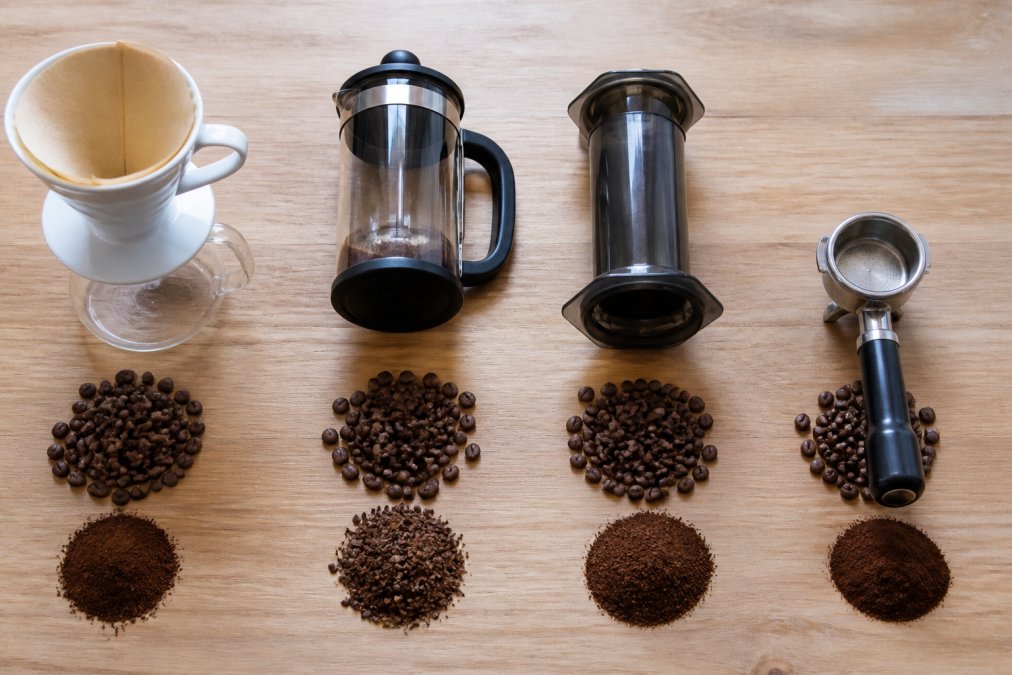
Grind size controls how quickly water moves through coffee during brewing. Finer grinds slow water movement, increasing extraction time and pulling more flavor compounds. High-altitude coffees are denser than low-altitude coffees, which means they require finer grinds to extract properly. If you buy a high-altitude single origin and grind it the same size as a lower-altitude coffee, you'll under-extract and end up with a sour, thin cup.
When you're buying single origin coffee online, the roaster should provide brewing guidance that accounts for these factors. Most people don't optimize grind size for every coffee. If you're starting out, invest in a burr grinder and start with the brewing method you already own.
Subscription vs One-Time Purchase When Buying Online
When you're buying single origin coffee online, you face a choice: commit to a subscription or buy individual bags as you need them.
Subscriptions offer convenience and often a small discount. You set a frequency, weekly, bi-weekly, or monthly, and coffee arrives automatically. Gospel and Grind subscriptions allow flexibility: you can pause, skip, or adjust your shipment whenever you need to. One-time purchases offer control, letting you buy exactly what you want, when you want it. If you travel frequently or your coffee consumption varies seasonally, one-time purchases make more sense.
The financial difference is usually small, maybe 10-15% savings with a subscription. Most specialty coffee drinkers eventually move toward subscriptions because they eliminate the friction of remembering to reorder.
Budget-Friendly Single Origin Coffee Without Compromise
Single origin coffees cost more than mass-market blends, but they don't have to cost a fortune. Price correlates with scarcity and processing difficulty, not always with quality. A Kenyan AA from a solid producer often tastes as good as a more expensive Ethiopian Yirgacheffe.
Watch for seasonal pricing. Coffee from harvest season is fresher and cheaper than coffee from the off-season. A Colombian coffee costs less in September-October (Colombian harvest) than in February. Gospel and Grind's direct trade model means we can offer competitive pricing without sacrificing quality.
Start with one or two single origins and rotate them rather than trying a new coffee every week. This approach lets you explore without overspending and teaches you how your brewing affects taste.
Buying single origin coffee online means joining a community of people who care about where their coffee comes from and how it tastes. Gospel and Grind roasts every order to specification, ensuring maximum freshness in every batch. We carefully source beans from trusted farms, and back every purchase with our commitment to quality. Start exploring single origin coffees today and discover the difference that freshness, origin, and intentional roasting can make in your daily cup. Find Your Perfect Roast at Gospel and Grind.
Frequently Asked Questions
How do I know if single origin coffee I order online will actually be fresh when it arrives?
Check the roast date on the bag before ordering. Coffee is freshest within 2-4 weeks of roasting. Reputable online roasters roast to order and ship immediately, so the roast date tells you exactly how fresh your beans are. If a retailer won't display the roast date prominently, that's a red flag. Ask for it directly before purchasing. Avoid coffee with vague labels like 'roasted recently' without a specific date.
What's the actual difference between single origin and blend coffee, and is it worth the extra cost?
Single origin coffee comes from one specific farm or region, giving you consistent, distinct flavor profiles tied to that terroir. Blends mix beans from multiple origins to create balance or complexity. Single origin costs more because specialty roasters source smaller quantities directly from farms, often paying fair trade premiums. The difference is worth it if you want to taste specific tasting notes like berry, chocolate, or floral notes unique to a region, and if you care about traceability and supporting specific farming communities.
What does fair trade organic coffee certification actually mean, and how is it different from direct trade?
Fair trade certification guarantees farmers receive a minimum price and meet environmental standards, verified by third-party auditors. Organic certification means no synthetic pesticides or fertilizers. Direct trade is a direct relationship between roasters and farms without middlemen, often paying higher prices but without third-party certification. Direct trade can offer better traceability and farmer relationships, but fair trade provides standardized protections. Look for both certifications if available, or choose direct trade from roasters with transparent sourcing information.
How do I match my brewing method to the right single origin coffee when buying online?
Check the roaster's recommendations on the product page. Light roasts with higher acidity work best in pour-overs and Aeropress for clarity. Medium roasts suit French press and drip coffee makers. Dark roasts work in espresso machines where body matters more than delicate flavor notes. The roaster should specify cupping scores and recommend grind size. If unsure, ask the roaster directly which brewing method they roasted the beans for. Starting with their recommended method ensures you taste the coffee as intended.
This article was written using GrandRanker