

Coffee Alternatives for Enthusiasts: Beyond Swelter
Table of Contents
- Why Enthusiasts Seek Coffee Alternatives
- Mushroom Coffee Blends: Benefits and Side Effects
- Caffeine-Free Coffee Alternatives for Enthusiasts
- How to Brew Dandelion Root Coffee at Home
- Sensory Mapping: Flavor Profiles for Coffee Lovers
- Cost-Per-Cup Analysis: Premium Alternatives Worth the Investment
- Brewing Equipment Compatibility for Coffee Alternatives
- Choosing Your Next Coffee Alternative
Coffee Alternatives for Enthusiasts: Beyond Swelter
Last Updated: August 4, 2026
For coffee lovers seeking alternatives, the landscape has shifted dramatically. What once meant settling for instant chicory or herbal blends now encompasses sophisticated mushroom adaptogens, ceremonial matcha, and carefully crafted roasted root beverages that rival traditional coffee in complexity and ritual. At Gospel and Grind, we've watched customers explore alternatives that deliver sustained energy without the jitters, acidity, or afternoon crashes that define conventional caffeine consumption.
This guide breaks down the most compelling coffee alternative options, from functional mushroom blends to traditional herbal roasts, with practical brewing advice and honest assessments of what each delivers.
Why Enthusiasts Seek Coffee Alternatives
Coffee lovers abandon their morning ritual for nuanced reasons beyond simple caffeine sensitivity. Some experience physical jitters from 95-200mg of caffeine per cup. Others notice energy crashes by 2 p.m. or find daily consumption disrupts sleep quality. A growing segment prioritizes sustainability and ethical sourcing practices.
But ritual matters as much as caffeine. Coffee enthusiasts want the meditative practice of brewing, the sensory experience of aroma and mouthfeel, the intentional pause in an otherwise fractured day. A quality alternative must deliver taste complexity, sustained focus, and that psychological anchor that makes the morning feel deliberate.
According to National Coffee Association consumption trends, over 40% of American adults now consume alternative beverages alongside or instead of traditional coffee, signaling a fundamental shift in how people approach their morning ritual.
Mushroom Coffee Blends: Benefits and Side Effects
Mushroom coffee combines organic instant coffee with functional mushroom extracts, typically Lion's Mane, Chaga, Reishi, or Cordyceps, to enhance focus, immunity, and sustained energy without amplifying jitters.
RYZE Mushroom Coffee delivers roughly 48mg of caffeine per serving (compared to 95mg in standard coffee), providing a gentler energy curve with six organic mushroom varieties and prebiotic fiber. Four Sigmatic maintains the coffee-forward taste profile while adding Lion's Mane and Chaga extracts. Everyday Dose adds grass-fed collagen protein and L-Theanine, the amino acid found in green tea that promotes calm alertness and smooths the caffeine curve.
How Adaptogens Support Sustained Energy
Adaptogens are botanical compounds that help your body manage stress and maintain stable energy. Lion's Mane mushroom contains beta-glucans and hericenones, which research suggests support cognitive function. Cordyceps has been traditionally used to enhance physical stamina and oxygen use.
The mechanism differs fundamentally from caffeine. While caffeine blocks adenosine receptors to mask fatigue, adaptogens work through different neurochemical pathways. They don't force wakefulness; they support your body's natural energy production. Users report feeling "alert without wired", a qualitative difference from coffee's sharper stimulation.
Energy rises gradually and plateaus longer, avoiding the sharp decline that triggers the 3 p.m. crash. For knowledge workers, this translates to more consistent focus across the workday.
Potential Side Effects and Caffeine Sensitivity
Mushroom coffee blends aren't side-effect-free. The most common complaint: digestive upset. Beta-glucans can trigger gas, bloating, or loose stools in sensitive individuals, particularly on an empty stomach. Starting with half-servings helps your gut microbiome acclimate.
Some users report headaches when transitioning from high-caffeine coffee, reflecting caffeine withdrawal rather than a problem with the blend. Tapering gradually reduces this effect.
For those with caffeine sensitivity, mushroom coffee still contains caffeine, just less. Reishi-forward blends tend toward the lower end (20-30mg caffeine), making them slightly gentler than Lion's Mane or Cordyceps blends.
| Mushroom Blend | Caffeine per Serving | Best For | Primary Benefit |
|---|---|---|---|
| RYZE | 48mg | Beginners seeking gentler energy | Sustained focus + gut health |
| Four Sigmatic | 50-150mg | Coffee lovers wanting functional add-ons | Mental clarity + immune support |
| Everyday Dose | 45-90mg | Those sensitive to caffeine crashes | Smooth energy + cognitive support |
| MUD'WTR | 35-55mg | Low-caffeine seekers | Calm alertness + adaptogenic support |
Caffeine-Free Coffee Alternatives for Enthusiasts
For those seeking zero caffeine, options split into two camps: herbal roasts designed to mimic coffee's flavor profile, and ceremonial-grade alternatives that embrace their own sensory identity.
Chicory and Herbal Roasts
Teeccino Chicory Herbal Coffee represents the closest approximation to traditional coffee without caffeine. The blend combines roasted chicory root, barley, carob, and nuts to create an earthy, full-bodied beverage. Chicory root contains inulin, a prebiotic fiber that supports gut bacteria.
The brewing experience mirrors coffee: grind, use your standard coffee maker, brew for 4-6 minutes. For someone avoiding caffeine due to anxiety, sleep disruption, or pregnancy, Teeccino delivers the ritual and grounding sensation that coffee provides.
Rasa formulates caffeine-free herbal blends with adaptogenic herbs and functional mushrooms. The Original blend combines chicory, burdock, dandelion root, and ashwagandha to create sustained energy without stimulation. Unlike Teeccino, Rasa doesn't attempt to taste like coffee; it tastes like what it is: an herbal infusion designed for calm focus.
Matcha and Ceremonial-Grade Options
Ceremonial-grade matcha contains both caffeine (25-70mg per serving) and L-Theanine, creating alert but calm focus. The effect takes 30-45 minutes to peak and sustains for 4-6 hours, a gentler arc than coffee's rapid spike and decline.
MatchaBar sources ceremonial-grade matcha from Japanese tea farms, emphasizing the shade-growing process that increases chlorophyll and amino acid content. The preparation ritual, whisking the powder with hot water until frothy, adds a meditative element absent from instant alternatives.
Matcha tastes grassy, slightly vegetal, with subtle umami notes. It's best appreciated straight or in a traditional latte with almond or oat milk. If you're avoiding caffeine entirely, matcha doesn't qualify, but for those seeking gentler stimulation, matcha's combination of caffeine and L-Theanine creates a more stable energy state than coffee alone.
How to Brew Dandelion Root Coffee at Home
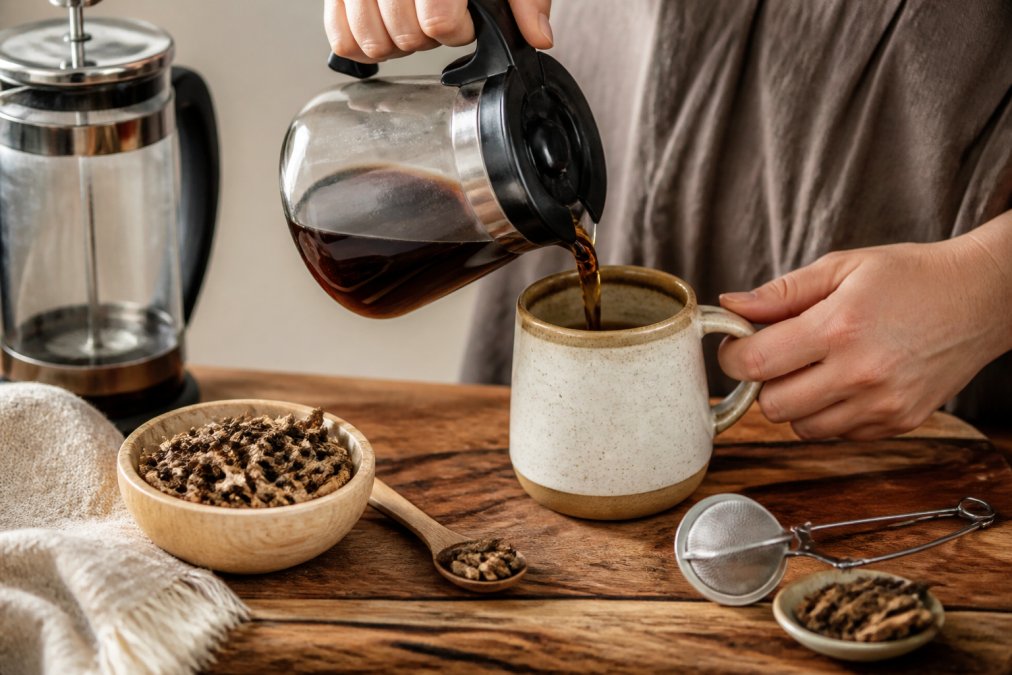
Dandelion root coffee represents the most accessible DIY alternative for enthusiasts willing to invest time in home preparation. When roasted and ground, it delivers an earthy, slightly bitter flavor that approximates coffee's mouthfeel.
Sourcing Quality Dandelion Root
The critical step happens before brewing: sourcing clean, properly dried dandelion root. Purchase pre-dried dandelion root from herbal suppliers or specialty tea retailers rather than wild-harvesting.
Look for roots that are dark brown to nearly black, indicating thorough roasting. Store in an airtight container away from light and moisture for 6-12 months.
Brewing Methods and Equipment
Stovetop decoction (strongest flavor): Simmer 1 tablespoon of coarsely ground dandelion root in 8 ounces of water for 10-15 minutes. This extraction method pulls maximum flavor and bioactive compounds. The result tastes closest to coffee, full-bodied and slightly bitter.
French press (moderate flavor): Add 1 tablespoon of coarsely ground dandelion root to a French press, pour 8 ounces of hot water (200°F), and steep for 4-5 minutes. This method produces a cleaner cup with less sediment.
Coffee maker (convenience): Grind dandelion root finely and brew in a standard drip coffee maker using the same ratio as coffee (roughly 1 tablespoon per 6 ounces of water). Brewing time: 4-6 minutes.
For the richest experience, stovetop decoction wins. Add a splash of milk or cream; dandelion root's slight bitterness balances well with fat.
Sensory Mapping: Flavor Profiles for Coffee Lovers
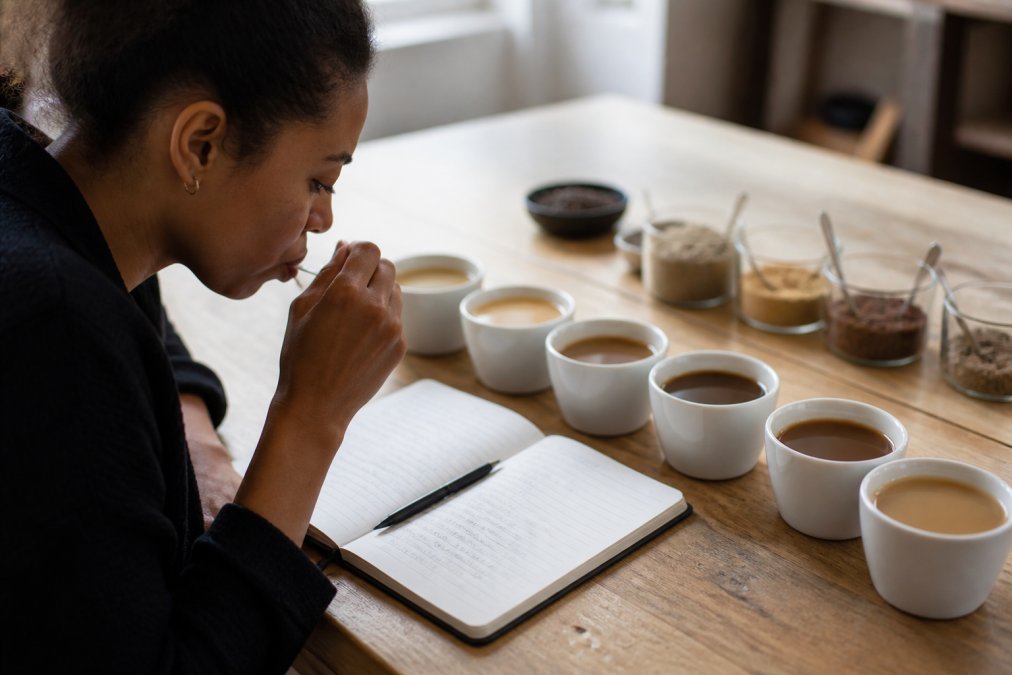
Coffee enthusiasts develop trained palates for acidity, body, roast profile, and flavor notes. Transitioning to alternatives requires understanding how these sensory dimensions map across different beverages.
Acidity defines much of coffee's sensory appeal. Most caffeine-free alternatives lack this brightness, resulting in a flatter sensation. Mushroom blends preserve some acidity because they contain coffee, but herbal roasts feel softer on the palate.
Body refers to mouthfeel and texture. Full-bodied coffee coats your mouth and lingers. Chicory root and dandelion root deliver similar body. Matcha, whisked properly, creates a creamy, velvety mouthfeel. Mushroom coffee blends feel lighter than traditional coffee but fuller than most herbal infusions.
Roast profile shapes flavor complexity. Dandelion root roasted light tastes earthy with subtle sweetness. Roasted nearly black, it develops deeper, more bitter notes. The roasting stage determines whether the beverage feels bright or dark.
Flavor notes vary dramatically. Chicory delivers nutty, slightly sweet undertones. Dandelion root offers earthy, woody flavors. Matcha brings grassy, umami-forward notes. Mushroom blends taste like coffee with subtle earthy undertones. None perfectly replicate coffee's fruity or floral top notes.
Stop comparing alternatives to coffee and start experiencing them on their own terms. Reframe the transition as expanding your palate rather than accepting a compromise.
Cost-Per-Cup Analysis: Premium Alternatives Worth the Investment
The economics of coffee alternatives matter for daily consumption.
Mushroom coffee blends typically cost $0.80-1.50 per serving. Compare this to specialty single-origin coffee at $0.60-1.20 per cup; mushroom blends cost slightly more, reflecting functional ingredients and lower caffeine content.
Chicory herbal roasts deliver the lowest per-cup cost: $0.15-0.40 per serving. An 11-ounce bag at $16.99 yields roughly 40-50 cups, making the cost comparable to budget grocery store coffee.
Dandelion root (pre-dried) costs $0.25-0.50 per cup.
Matcha skews expensive. Ceremonial-grade matcha costs $25-40 for 30 grams, yielding roughly 10-15 servings at $1.70-4.00 per cup. This positions matcha as a premium daily ritual.
Rasa and similar adaptogenic blends fall in the $0.80-1.30 per serving range, comparable to mushroom coffee but without caffeine.
| Alternative Type | Cost Per Cup | Best For | Value Assessment |
|---|---|---|---|
| Mushroom Coffee | $0.90-1.50 | Sustained energy seekers | Premium justified by function |
| Chicory Roasts | $0.15-0.40 | Budget-conscious caffeine avoiders | Excellent value |
| Dandelion Root (store-bought) | $0.25-0.50 | DIY enthusiasts | Strong value |
| Dandelion Root (home-roasted) | $0.15-0.30 | Ritual-focused users | Best value overall |
| Matcha Ceremonial | $1.70-4.00 | Meditation-focused practitioners | Premium for experience |
| Adaptogenic Blends | $0.80-1.30 | Stress-conscious daily users | Fair value for ingredients |
Brewing Equipment Compatibility for Coffee Alternatives
Not all alternatives integrate seamlessly with existing coffee equipment.
Standard drip coffee makers work universally well with mushroom coffee, chicory, dandelion root, and most herbal blends. Matcha requires whisking rather than brewing.
French presses excel with coarser grounds like chicory and dandelion root. Mushroom coffee powder creates excessive sediment unless you use a fine metal filter. Matcha doesn't work in French presses.
Burr grinders handle whole chicory root and dandelion root adequately, though denser root material wears burrs faster than coffee beans. A dedicated spice grinder ($20-40) preserves your coffee grinder's longevity. Mushroom coffee comes pre-ground.
Pour-over setups (Chemex, V60, Kalita Wave) work well with all ground alternatives. Paper or metal filters remove sediment effectively.
Espresso machines present challenges. Most alternatives won't extract properly through espresso's high pressure. For espresso enthusiasts, this category largely doesn't apply.
Choosing Your Next Coffee Alternative
The decision framework depends on what you're optimizing for.
For caffeine sensitivity and anxiety reduction: Chicory roasts or Rasa adaptogenic blends. Both eliminate stimulation while preserving warmth and sensory engagement.
For sustained energy without crashes: Mushroom coffee blends with L-Theanine or matcha. Both deliver caffeine in a form that extends the energy plateau and softens the decline.
For functional health optimization: Rasa, Clevr Blends SuperLatte, or home-prepared dandelion root. These prioritize bioactive compounds over taste familiarity.
For ritual and meditative practice: Matcha or home-roasted dandelion root. Both transform beverage preparation into a deliberate practice.
For budget-conscious daily use: Chicory root or home-roasted dandelion root. Both deliver under $0.50 per cup while maintaining quality.
The alternative that works best for you is the one you'll consistently prepare and enjoy. Start with one that aligns with your primary priority. Commit to two weeks of daily use. Let your palate and energy patterns tell you whether it's working.
Most coffee enthusiasts find that rotating between two or three alternatives prevents palate fatigue. Monday through Wednesday: mushroom coffee for sustained focus. Thursday and Friday: dandelion root for grounding. Weekends: matcha for ceremonial ritual. This rotation keeps the morning experience fresh.
The transition from traditional coffee to alternatives doesn't require abandoning the values that drew you to coffee culture. Gospel and Grind understands that freshness, quality sourcing, and intentional preparation matter as much in alternatives as they do in specialty coffee. Whether you're exploring mushroom blends, ceremonial matcha, or home-roasted dandelion root, the same principles apply: source carefully, brew thoughtfully, and prioritize the experience over convenience. Find your perfect alternative and discover that the ritual of a great morning beverage extends far beyond caffeine.
Frequently Asked Questions
What makes a coffee alternative appealing to enthusiasts who love specialty roasts?
Enthusiasts prioritize flavor complexity, brewing ritual, and freshness. The best coffee alternatives for enthusiasts offer single-origin sourcing, distinct flavor notes (earthy, nutty, full-bodied), and the ability to control extraction through manual brewing methods. They should deliver the sensory experience and craft quality that rivals traditional specialty coffee, not just caffeine replacement. Roast-to-order options ensure maximum freshness comparable to local specialty roasters.
Are mushroom coffee blends effective at reducing caffeine jitter without sacrificing energy?
Mushroom coffee blends combine adaptogenic mushrooms like Lion's Mane and Reishi with reduced or full caffeine loads. The adaptogens support sustained energy and focus without the energy crash typical of coffee alone. However, jitter reduction depends on caffeine sensitivity and blend composition. Some blends still contain significant caffeine; check the label. Side effects can include mild digestive sensitivity in some users, particularly with blends containing chicory or inulin.
How do I brew dandelion root coffee to achieve the best flavor extraction?
Sourcing quality dandelion root is essential; dried, roasted roots work best. Use a French press or pour-over method with water heated to 195-205 degrees Fahrenheit. Steep for 5-7 minutes depending on desired strength. Grind the roasted root to medium consistency, similar to drip coffee grounds. For best results, source ethically harvested or organically grown dandelion root. The brew will have an earthy, slightly bitter profile with nutty undertones when properly prepared.
What is the actual cost difference between premium coffee alternatives and specialty coffee?
Cost-per-cup varies widely. Premium roasted coffee typically ranges from moderate to higher prices depending on single-origin sourcing. Mushroom blends and herbal alternatives often cost similarly or slightly more per serving when purchasing quality brands. Chicory-based options tend to be more affordable. Gospel and Grind's roast-to-order model ensures freshness comparable to cafe-quality specialty coffee. For exact pricing on alternatives, check individual brand websites, as costs depend on quantity, subscription options, and delivery frequency.
Can I use my existing coffee brewing equipment with coffee alternatives?
Most alternatives work with standard coffee equipment. Mushroom instant blends dissolve in hot water without brewing equipment. Ground chicory, dandelion root, and herbal blends work with French presses, pour-overs, and drip machines. Matcha requires a whisk or frother for optimal preparation. Some alternatives like whole roasted roots may require a burr grinder. Check the grind size recommendations for each alternative; finer grounds work better in espresso machines, while coarser grinds suit French presses and percolators.
This article was written using GrandRanker