

Drinktrade Alternatives for Small Batches
Table of Contents
- Why Drinktrade Alternatives Matter for Small-Batch Coffee
- Quick Comparison: Top Drinktrade Alternatives
- How to Choose a Coffee Subscription That Fits Your Needs
- Best Coffee Subscription for Small Roasters: What Sets Them Apart
- Gospel and Grind: Roasted-to-Order Freshness with Purpose
- Mistobox: Access to 60+ Independent Roasters
- Blue Bottle Coffee: Small-Batch Roasting with Speed
- Counter Culture Coffee: Sustainability-First Single Origins
Last Updated: August 12, 2026
Why Drinktrade Alternatives Matter for Small-Batch Coffee
If you've been buying coffee through Drinktrade, you know the appeal: access to small-batch roasters without hunting down a dozen websites. But many coffee drinkers find that Drinktrade alternatives offer something Drinktrade doesn't quite nail, whether that's faster roast-to-order delivery, more transparent sourcing, or subscription flexibility that actually works when your needs change.
The specialty coffee market has exploded since Drinktrade launched, splintering into dozens of subscription models with different philosophies about freshness, sourcing, and roaster partnerships. Some services focus on variety and curation. Others prioritize direct relationships with single roasters. A few have built their entire model around sustainability or ethical sourcing.
This guide from Gospel and Grind breaks down the best Drinktrade alternatives for small batches. Whether you're frustrated with Drinktrade's pricing, want more control over your subscription, or simply want to explore what else is out there, you'll find real options here.
Quick Comparison: Top Drinktrade Alternatives
| Service | Freshness Approach | Roaster Selection | Subscription Flexibility | Best For |
|---|---|---|---|---|
| Gospel and Grind | Roasted to order | Curated single-origin | Pause/skip anytime | Mission-driven enthusiasts |
| Mistobox | Direct from roasters | 60+ independent roasters | 1-4 week cycles | Discovery and variety |
| Blue Bottle Coffee | Small-batch roasted, ships within 48 hours | Own roasts only | 1-4 week cycles | Speed and consistency |
| Counter Culture Coffee | Rotating single origins | Own roasts, B Corp certified | 1-8 week cycles | Sustainability-focused buyers |
| La Colombe Coffee | Monthly roaster selection | Own roasts | Flexible management | Roast preference variety |
| Intelligentsia Coffee | Expertly roasted, rotating selections | Own roasts | Adjustable frequency | Quality-focused enthusiasts |
| Craft Coffee | Small-batch roasted, fast shipped | Personalized from network | Customizable | Budget-conscious buyers |
| Angels' Cup | Blind-tasting samples | Single-origin focus | Subscription options vary | Palate development |
The real story is in the details: how each service approaches the tension between freshness, variety, and cost. The best choice depends on what matters most to you.
How to Choose a Coffee Subscription That Fits Your Needs
Picking a Drinktrade alternative requires understanding what "freshness" actually means in specialty coffee, how subscription models work in practice, and whether the roasters share your values.
Freshness and Roast-to-Order Practices
Freshness in specialty coffee isn't like milk, there's no hard expiration date. But there's a real window where coffee tastes its best, and it's shorter than most people think.
Roast-to-order services roast your coffee after you order it, then ship immediately. Gospel and Grind uses this model, roasting after you place an order and shipping within days. You're drinking coffee roasted less than two weeks before it reaches you.
The tradeoff: roast-to-order services can't offer the same variety as marketplaces. They're limited to their own roasting facility or a tight network of partner roasters.
Direct-from-roaster services like Mistobox split the difference. They partner with independent roasters across the country. When you order, your coffee ships directly from that roaster's facility. It's fresher than centralized distribution and supports small roasters financially.
Services that roast themselves, Blue Bottle, Counter Culture, Intelligentsia, control the entire process. They roast in small batches and ship within 48 hours. This is genuinely fresh coffee. But you're limited to that roaster's offerings.
Subscription Flexibility and Cancellation Policies
This is where many coffee subscriptions fail in practice. The service is great until you travel, cut back on caffeine, or simply want to pause without losing your spot.
Mistobox lets you adjust delivery frequency from 1 to 4-week cycles and pause whenever you want. Blue Bottle offers the same flexibility. Gospel and Grind allows you to skip or pause shipments without penalties. Counter Culture goes further, letting you set delivery frequency from 1 to 8 weeks.
The real test: can you pause without contacting support? Can you skip a shipment in 30 seconds? If the answer is no, the service is betting on friction to keep you subscribed.
Ethical Sourcing and Direct-Trade Models
If you care where your coffee comes from, this matters. Direct-trade relationships mean the roaster buys directly from the farmer at a negotiated price, usually higher than commodity rates. Counter Culture, Blue Bottle, and Intelligentsia all emphasize direct-trade sourcing. Gospel and Grind focuses on carefully sourced beans from trusted farms with a mission-driven approach.
Mistobox works with 60+ roasters, each with their own sourcing philosophy. You get transparency but have to evaluate each roaster individually.
Counter Culture is B Corp certified, which means they've met third-party standards for social and environmental responsibility. That's more verifiable than claims alone.
B Corp's certification standards for social and environmental impact
Best Coffee Subscription for Small Roasters: What Sets Them Apart
The question isn't which service is objectively best. It's which service best matches your priorities. Services that preserve direct relationships with roasters, by shipping directly from them or highlighting their sourcing story, are better for the specialty coffee ecosystem.
Mistobox does this well. They take a commission but don't warehouse or repackage. Coffee ships from the roaster, so you know exactly who roasted it and when.
Gospel and Grind operates as a roaster itself, controlling quality and freshness completely. They roast to order, ensuring maximum flavor.
Blue Bottle and Counter Culture are larger roasters with significant resources. They're not supporting dozens of small roasters; they're supporting their own operations. Intelligentsia and La Colombe fall somewhere in the middle, they roast their own coffee but have significant retail and wholesale operations.
Specialty Coffee Association's guide to coffee sourcing and quality standards
Gospel and Grind: Roasted-to-Order Freshness with Purpose
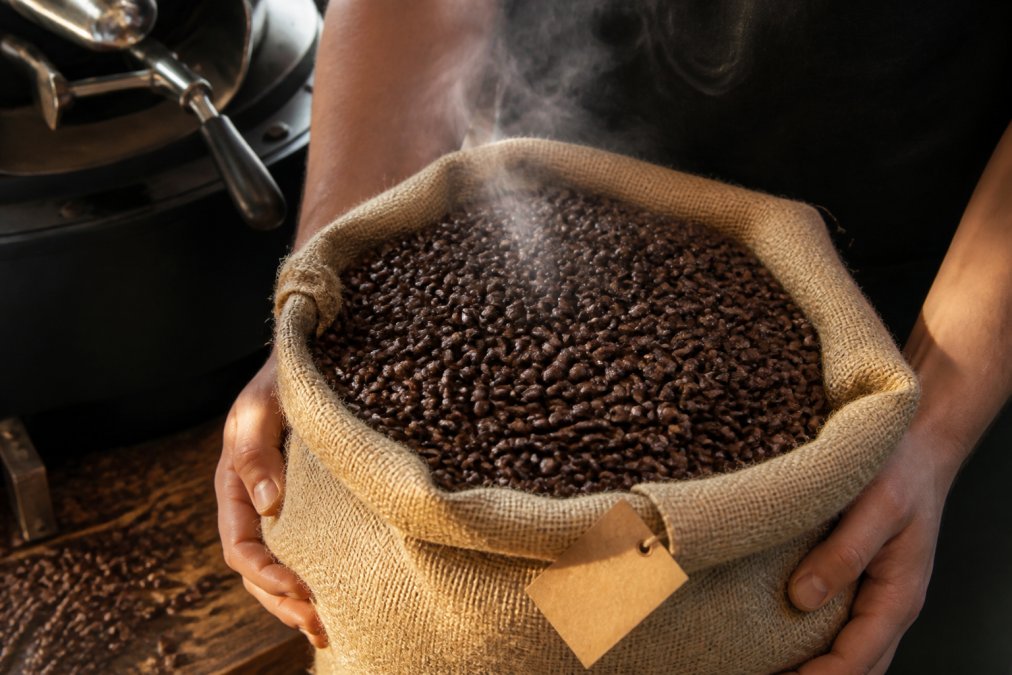
Gospel and Grind roasts coffee to order after you place your subscription, guaranteeing that your coffee is roasted within days of delivery and hits that peak freshness window.
You select your preferences, they roast and ship. No middleman. The trade-off is that you're limited to Gospel and Grind's curated selection of single-origin and blended coffees, not browsing 60 roasters.
Beyond the coffee itself, Gospel and Grind operates with a mission to fight homelessness. Every purchase supports this work. It's built into the business model, not a token donation.
Gospel and Grind lets you pause or skip shipments without penalties and adjust frequency based on your consumption. The ideal customer wants maximum freshness, doesn't need endless variety, and values supporting a mission-driven business.
Mistobox: Access to 60+ Independent Roasters
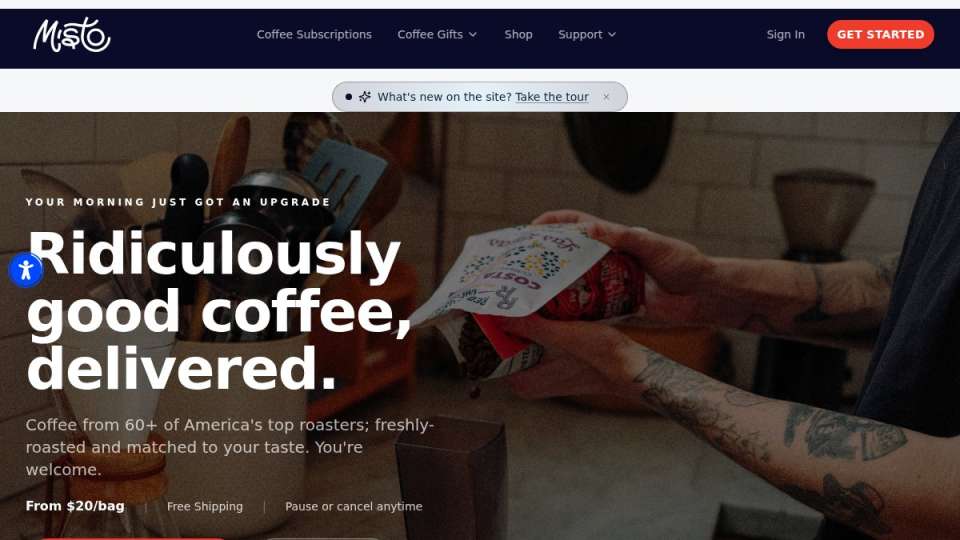
Mistobox is the discovery platform for specialty coffee. They partner with over 60 independent roasters across the country and let you explore their coffees through a curated subscription.
You answer questions about your taste preferences and budget. Mistobox's curation system matches you with coffees that fit. Coffee ships directly from the roaster, so you're always getting fresh beans and supporting the roaster financially. You can adjust delivery frequency from 1 to 4-week cycles and pause anytime.
The variety is the main draw. One month you might get a natural-process Ethiopian from a Portland roaster. The next month, a washed Colombian from Brooklyn. You're exposed to different roasting philosophies and flavor profiles.
The downside: shipping times vary because coffee comes from different roasters. You might get coffee roasted 5 days ago or 12 days ago. It's still fresh, but less consistent than roast-to-order.
Mistobox works best for people who value variety over consistency and want to support small roasters directly.
Blue Bottle Coffee: Small-Batch Roasting with Speed
Blue Bottle roasts daily in small batches and ships within 48 hours. This is genuinely fast and fresh. They offer multiple subscription options: Single Origin Assortment, Blend Assortment, Espresso Assortment, or specific coffees.
The quality is high and their sourcing practices are transparent. Subscription flexibility is solid, you can adjust delivery frequency from 1 to 4 weeks, pause, or skip shipments. Free shipping and exclusive subscriber perks add value.
The limitation: you're only getting Blue Bottle's roasts. If their current selection doesn't appeal to you, you wait for next month. They don't offer ground coffee, only whole bean.
Blue Bottle is best for people who want exceptional freshness, trust a single roaster's quality, and don't need endless variety.
Counter Culture Coffee: Sustainability-First Single Origins
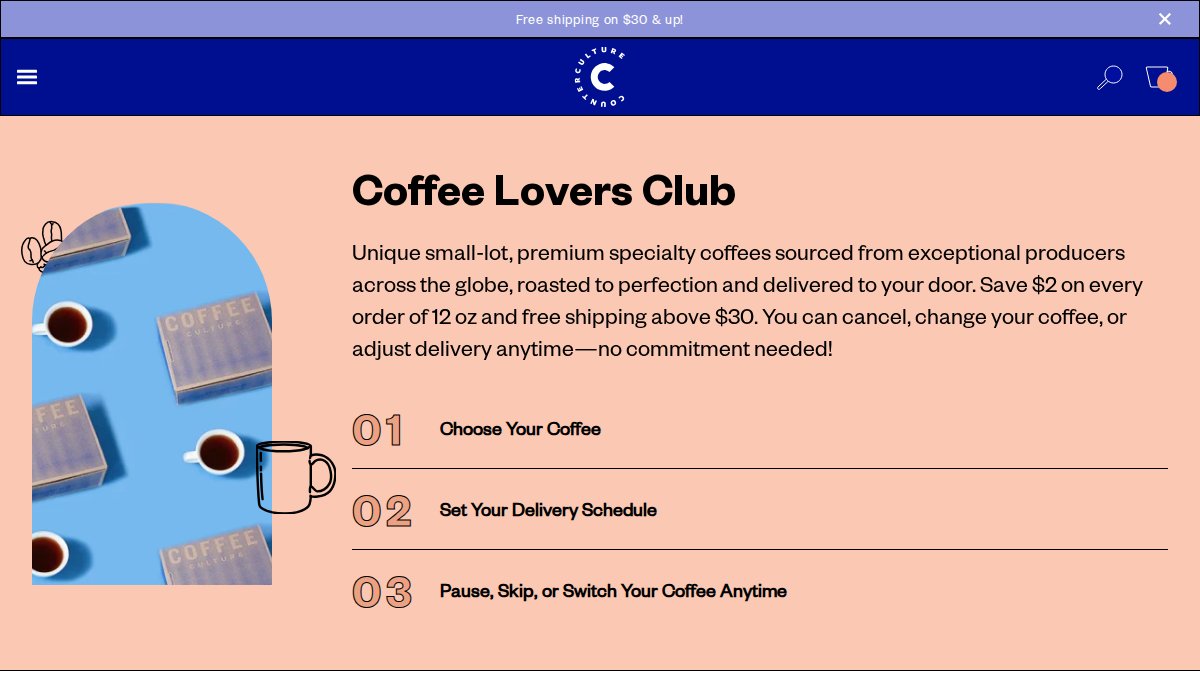
Counter Culture is B Corp certified and focuses on sustainably sourced, single-origin coffees. Their Single Origin Series features unique small-lot, premium specialty coffees selected every two weeks.
The sourcing story is real. They emphasize direct trade relationships and transparency about where coffee comes from. Subscription flexibility is excellent, you can set delivery frequency from 1 to 8 weeks, giving you real control if your consumption varies.
The trade-off: the starting price is higher than some alternatives, and you're limited to Counter Culture's roasts. They focus on single origins, so if you prefer blends, look elsewhere.
Counter Culture appeals to people who prioritize sustainability and ethical sourcing practices.
La Colombe Coffee Roasters: Variety Across Roast Profiles
La Colombe offers multiple subscription options: Dark & Medium, Roaster's Selection, Medium & Light, and specific blends or single origins. This gives you more choice within a single roaster.
The roaster selects different coffees monthly for some subscriptions, so there's discovery built in. Subscribers get 10% off every order and free shipping over $35.
Subscription management is flexible. You can adjust order dates, quantities, and frequencies to match your needs.
La Colombe is best for people who want variety within a trusted roaster and value the discount and free shipping benefits.
Intelligentsia Coffee: Curated Selections with Free Shipping
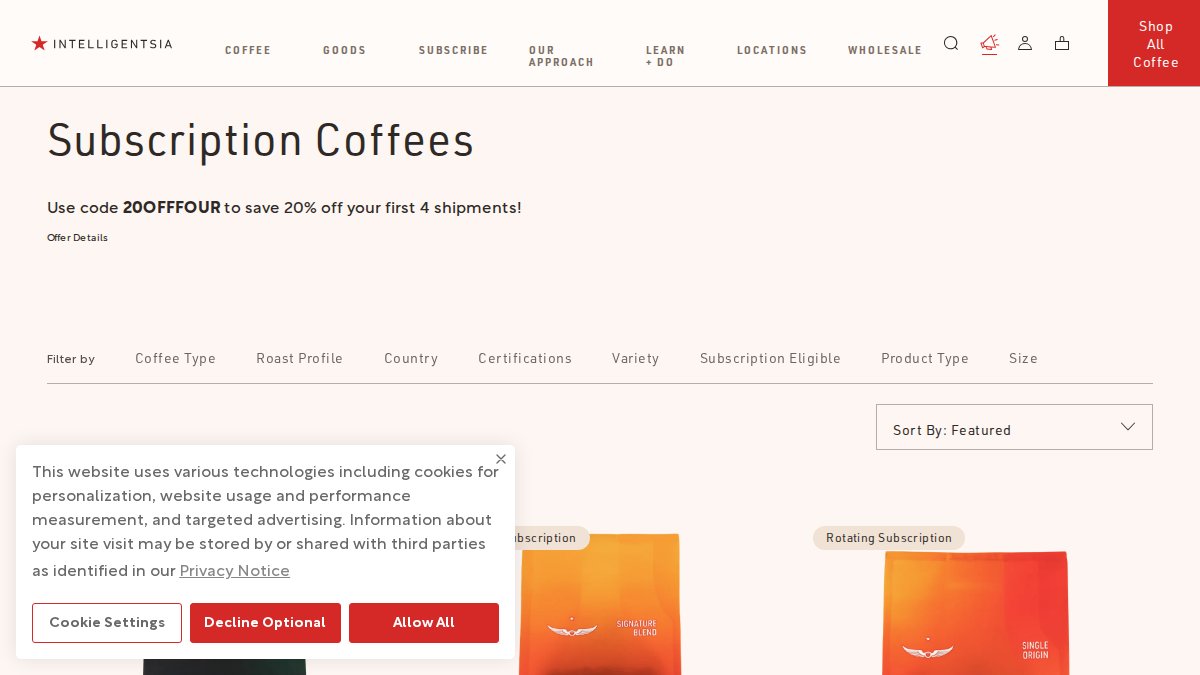
Intelligentsia offers rotating single origins, classic blends, seasonal selections, and espresso blends. Each subscription type rotates monthly, so you get discovery without the variety of a marketplace.
The quality is high and they offer free shipping on every order. New subscribers get 20% off their first four shipments.
The limitation: you're limited to Intelligentsia's roasts. If their current selection doesn't appeal to you, you wait.
Intelligentsia works for people who trust a single roaster's quality, want expert curation, and value free shipping and subscriber discounts.
Craft Coffee: Personalized Recommendations with Budget Focus
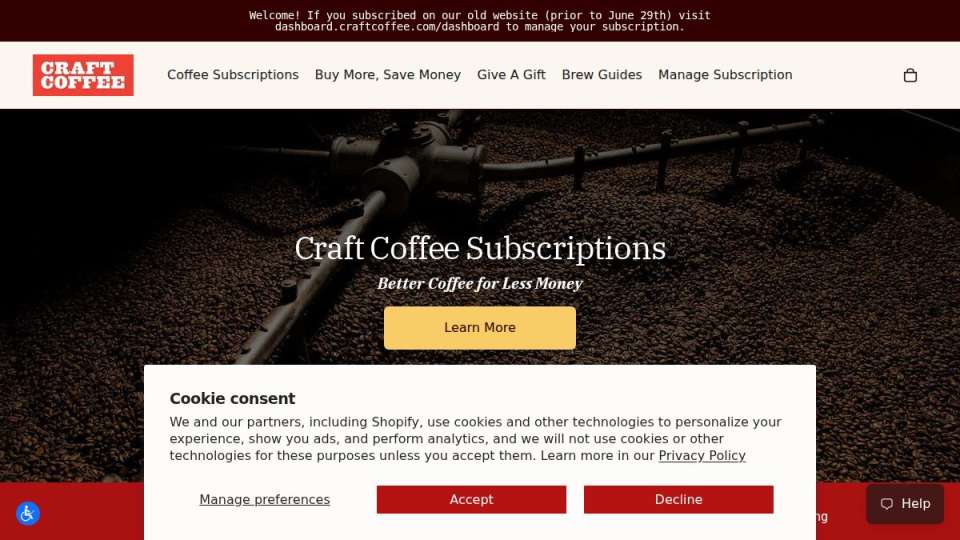
Craft Coffee delivers fresh-roasted beans in small batches with personalized recommendations based on your taste preferences. They offer free, fast shipping within the US and let you customize delivery schedule and coffee selection.
The pricing is competitive, especially with their "Buy More, Save Money" plan. This appeals to budget-conscious coffee drinkers who don't want to sacrifice quality.
The downside: Craft Coffee doesn't emphasize specific roasters or sourcing stories as much as other services. You get personalized recommendations but less transparency about sourcing.
Craft Coffee is best for people who want fresh coffee at a reasonable price and are willing to trade some sourcing transparency for value.
Angels' Cup: Blind Tasting for Palate Development
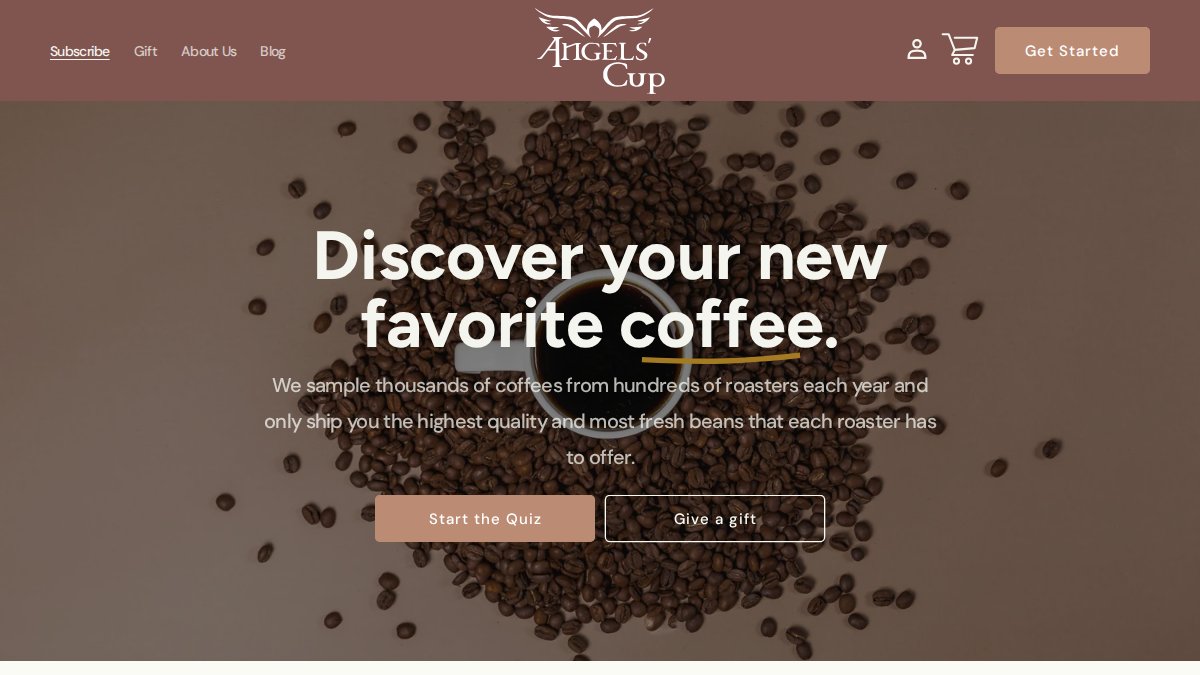
Angels' Cup offers a unique blind-tasting subscription designed to help you develop your palate. You receive numbered samples without knowing the details upfront, taste them, log notes in their mobile app, and compare your assessments with expert cupping notes.
This is genuinely different from other subscriptions. It's educational and gamified. The variety is good, and you're exposed to diverse single-origin coffees.
The limitation: sample sizes in some subscriptions are smaller than full-size bags. The blind-tasting approach means you don't know what you're getting until it arrives.
Angels' Cup is best for coffee enthusiasts who want to improve their tasting skills and enjoy the gamified discovery aspect.
Choosing a Drinktrade alternative comes down to what you value most: freshness, variety, sustainability, or budget. Gospel and Grind delivers roast-to-order freshness with a mission-driven approach. Mistobox offers discovery across 60+ roasters. Blue Bottle prioritizes speed and consistency. Counter Culture emphasizes sustainability. Each service solves a different problem.
The best choice is the one that aligns with how you actually drink coffee and what matters to you beyond the cup. Start with Gospel and Grind if you want maximum freshness and support a social mission with every purchase. Gospel and Grind's roasted-to-order coffee subscription makes it simple to find your perfect roast and pause anytime without penalties.
Frequently Asked Questions
What makes small-batch roasted coffee different from grocery store brands?
Small-batch roasters roast in smaller quantities, which means your coffee is fresher when it arrives. They typically roast to order or within days of shipment, preserving the complex flavor profiles and aroma that fade quickly in mass-produced beans. Specialty roasters focus on single-origin beans and direct-trade sourcing, giving you transparency about where your coffee comes from and how farmers are paid. This contrasts with grocery store coffee, which may have been roasted weeks or months before reaching shelves.
How do I choose a coffee subscription that works with my brewing method?
Different brewing methods require different grind sizes and bean profiles. Pour-over and Aeropress brewing work well with lighter, more acidic roasts that highlight origin characteristics. French press and espresso machines benefit from medium to dark roasts with fuller body. When selecting a subscription, check whether the roaster offers grind options or whole bean only, and review their tasting notes to match acidity and body to your preferred brewing style. Services like Mistobox and Craft Coffee let you specify your brewing method during setup to personalize recommendations.
Are small-batch coffee subscriptions actually cheaper than buying at a coffee shop?
Yes, significantly. A specialty coffee subscription typically costs $10-40 per shipment depending on quantity and roaster, whereas a single cafe coffee runs $4-6. Even accounting for brewing equipment and electricity, home brewing from a quality subscription saves money over time. However, subscription costs are higher than budget grocery store coffee. The value comes from freshness, flavor complexity, and ethical sourcing rather than lowest price. If cost is your primary concern, Craft Coffee and Mistobox offer competitive pricing; if you prioritize mission-driven impact, Gospel and Grind combines quality with social impact.
What should I look for in a small-batch roaster's sourcing practices?
Look for roasters that publish cupping scores, tasting notes, and origin information on each bag. Direct-trade relationships mean the roaster buys directly from farmers, ensuring fair prices and traceability. Check whether they're B Corp certified or have third-party sustainability certifications. Ethical sourcing also includes transparency about payment practices and farmer relationships. Counter Culture and Intelligentsia publish detailed sourcing information; Gospel and Grind combines quality sourcing with a mission-driven approach to community impact, appealing to conscious consumers.
This article was written using GrandRanker