

Ethical Coffee Brands That Fight Homelessness
Table of Contents
- Why Ethical Coffee Brands Matter in the Fight Against Homelessness
- How to Identify Ethical Coffee Brands
-
Social Enterprise Coffee Brands That Create Real Impact
- Gospel and Grind: Roasted Fresh, Mission-Driven
- Change Please Coffee: 100% of Profits Fund Training Programs
- Roots Java: Dual Mission for Farmers and Former Foster Youth
- Made by DWC: Empowering Women Experiencing Homelessness
- Street Bean Cafe: Paid Apprenticeships for Young Adults
- Casters Coffee: Created by and for the Homeless
- BLK & Bold: Fair Trade with Youth Focus
- How Ethical Coffee Purchases Support Homelessness Initiatives
- Impact Measurement: Verifying Real Change
- Choosing Between Subscription and One-Time Purchases
- Conclusion
Last Updated: August 5, 2026
Why Ethical Coffee Brands Matter in the Fight Against Homelessness
Homelessness affects hundreds of thousands of Americans, yet many don't realize that everyday purchases like coffee can fund direct intervention. Ethical coffee brands fighting homelessness embed social impact into their business model, directing profits toward job training, employment programs, and pathways out of housing instability. Gospel and Grind leads this movement, offering premium roasted-to-order coffee while supporting those experiencing homelessness.
Rather than relying solely on donations, social enterprise coffee brands combine workforce development with fair-trade sourcing. When you buy ethically sourced coffee, you fund barista training, apprenticeships, and employment opportunities for people rebuilding their lives. According to the U.S. Department of Housing and Urban Development's Annual Homeless Assessment Report, employment barriers remain a top obstacle preventing people from exiting homelessness. Social enterprise coffee brands address this directly by creating sustainable employment pathways.
How to Identify Ethical Coffee Brands
Identifying truly ethical coffee brands requires examining three core elements: transparency about profit allocation, verification of social programs, and evidence of real employment outcomes.
Ask direct questions: What percentage of profits fund social initiatives? Is that percentage publicly stated? Legitimate social enterprises publish annual impact reports showing how many people they've trained, employed, or supported. Gospel and Grind exemplifies this transparency, making its homelessness mission central to every purchase.
Look for certification and partnership evidence. Many ethical brands partner with established nonprofits focused on homelessness prevention or youth employment. Check whether the coffee carries certifications like Fair Trade, ensuring farmers receive fair compensation. Most importantly, examine employment outcomes: the best brands publish data on completion rates, job placement percentages, and average wages. When a brand states "we trained 47 individuals last year and 82% found employment within six months," that's credible impact.
| Element to Verify | What to Look For | Red Flag |
|---|---|---|
| Profit allocation | Specific percentage stated publicly | Vague language like "we give back" |
| Program documentation | Annual impact reports with numbers | No data or reports available |
| Nonprofit partnerships | Named organizations with verifiable work | Unnamed "community partners" |
| Employment outcomes | Completion rates and job placement data | No mention of actual jobs created |
| Certification | Fair Trade, organic, or direct trade labels | Claims without third-party verification |
Social Enterprise Coffee Brands That Create Real Impact
1. Gospel and Grind: Roasted Fresh, Mission-Driven
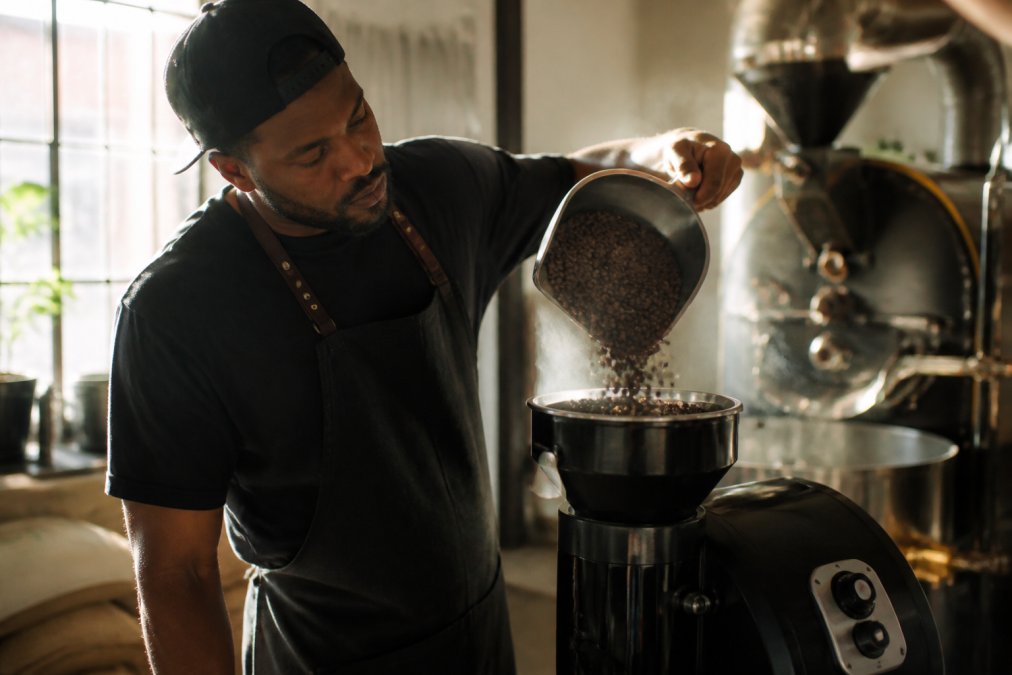
Gospel and Grind combines exceptional quality with a clear social mission. Every bag is roasted to order, ensuring maximum freshness that rivals specialty coffee shops. The brand sources carefully from trusted farms, prioritizing both quality and ethical sourcing. Gospel and Grind's unwavering commitment to fighting homelessness isn't a side initiative, it's the core business model.
The roast-to-order process solves a common problem with online coffee: staleness. Most shipped coffee loses peak flavor within weeks. Gospel and Grind roasts only after you order, meaning beans arrive at their aromatic peak. For coffee enthusiasts accustomed to premium cafe prices, this freshness justifies the investment. Every purchase supports the fight against homelessness, transforming a daily ritual into an act of social contribution.
2. Change Please Coffee: 100% of Profits Fund Training Programs
Change Please directs 100% of coffee profits to job training and employment support for people experiencing homelessness. The organization trains individuals to become skilled baristas while providing job placement assistance and ongoing mentorship. The coffee itself is ethically sourced and specialty-grade, with flexible subscription options for home delivery.
The transparency is remarkable. You can track exactly how your purchase contributes to training slots, mentorship hours, and job placements. Individuals who complete the training transition into living-wage barista positions, creating sustainable income and pathways out of homelessness.
3. Roots Java: Dual Mission for Farmers and Former Foster Youth
Roots Java operates on a dual-mission model, committing 10% of every dollar to Fostering Promise, a nonprofit preventing homelessness among former foster youth. Simultaneously, the brand partners with the Rwanda Trading Company to ensure African coffee farmers receive fair compensation. This dual approach supports vulnerable populations in coffee-growing regions while funding domestic homelessness initiatives.
The coffee comes in various formats with package sizes designed for different consumption patterns. Shipping is included with online orders. For consumers wanting their coffee dollar to support both international development and domestic homelessness prevention, Roots Java offers clear impact metrics.
4. Made by DWC: Helping Women Experiencing Homelessness
Made by DWC is the social enterprise arm of the Downtown Women's Center, supporting women experiencing homelessness through career development and mentorship. The coffee is sourced from regions like Uganda and Papua New Guinea, roasted in small batches to maintain quality.
Women experiencing homelessness face unique barriers including higher rates of trauma and discrimination requiring specialized support. Made by DWC integrates coffee sales directly with career training, mentorship programs, and pathways to economic independence. Profits fund these programs entirely, creating a closed loop where every purchase supports comprehensive support for women rebuilding their lives.
5. Street Bean Cafe: Paid Apprenticeships for Young Adults
Street Bean Cafe operates as the social enterprise of New Horizons, a young adult shelter in Seattle, offering a four-month paid apprenticeship program in coffee roasting and sales. Participants earn wages while learning, critical for individuals experiencing housing instability who need immediate income.
The coffee is roasted in-house and sourced from equitably paid farmers. Street Bean emphasizes trauma-informed practices and one-on-one engagement, recognizing that young adults experiencing homelessness often have complex needs beyond job skills. The apprenticeship teaches both hard skills (coffee roasting, customer service) and soft skills (communication, workplace norms, problem-solving).
6. Casters Coffee: Created by and for the Homeless
Casters Coffee was created by and for people experiencing homelessness, offering a three-month paid job training program in coffee roasting and sales with explicit focus on securing permanent employment after completion.
The training covers not just coffee skills but foundational job competencies: computer literacy, communication, food handling, and workplace professionalism. Casters recognizes that homelessness often correlates with employment barriers including lack of work history or limited professional networks. The program addresses these structural obstacles directly. Casters sells coffee to hospitals, government offices, and local cafes, creating both revenue and real-world work experience for trainees.
7. BLK & Bold: Fair Trade with Youth Focus
BLK & Bold is Fair Trade certified and donates 5% of profits to youth-focused initiatives, including programs addressing teen homelessness and workforce development. The brand sources Fair Trade beans from regions like Honduras and Ethiopia, ensuring farmers receive fair compensation.
The product range includes both coffee and tea with convenient subscription options. BLK & Bold partners with the NBA for their "For Our Youth" initiative, matching contributions on licensed coffee products. Fair Trade certification provides independent verification of ethical sourcing, appealing to daily coffee drinkers who want third-party assurance.
8. Nossa Familia Coffee: Barista Training for Homeless Youth
Nossa Familia Coffee operates a Giveback Program partnering with p:ear, an organization providing barista training and life skills to homeless and transitional youth. The partnership offers an eight-week barista school course, creating employment pathways for young people in unstable housing.
Nossa Familia's "Giveback Coffees" are specifically designated to support these initiatives. The company also provides broader support to coffee-growing communities through projects like acquiring depulpers for farmers. The model appeals to consumers supporting both local homeless youth initiatives and international coffee farmer development.
How Ethical Coffee Purchases Support Homelessness Initiatives
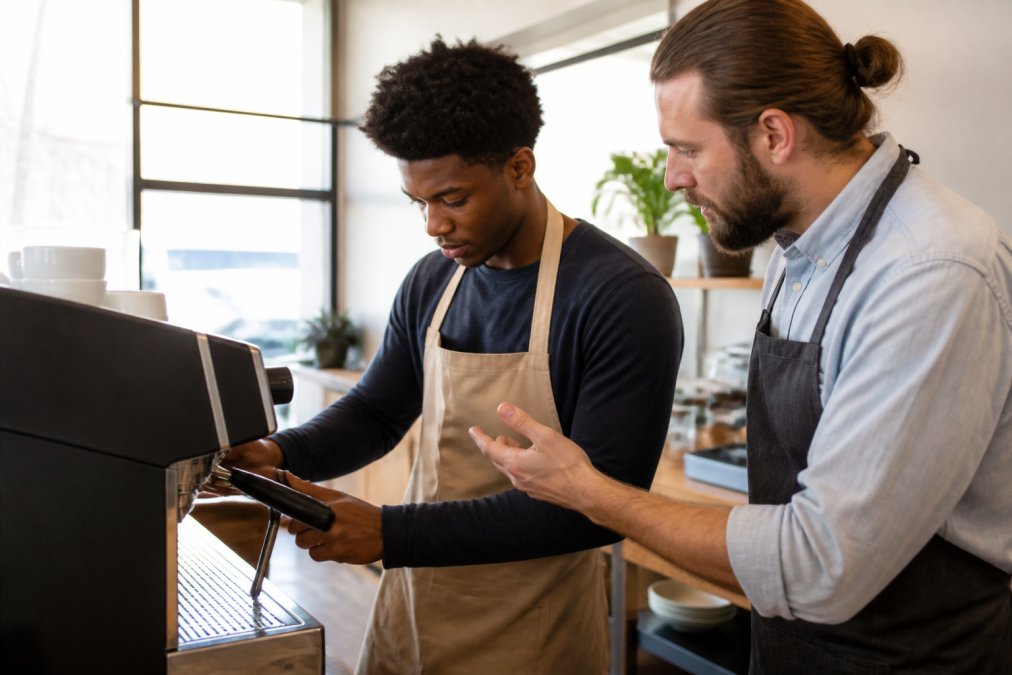
When you buy ethical coffee, your money flows directly into employment programs addressing root causes of homelessness. While immediate interventions like shelter and food are essential, sustainable exit from homelessness requires employment: stable income, work history, professional networks, and confidence from productive contribution.
Social enterprise coffee brands fund this employment infrastructure. Your purchase might pay for barista training, job coaching, mentorship relationships, or case management services addressing underlying barriers like mental health support or housing assistance. Beyond direct employment, ethical coffee purchases support life skills training, trauma-informed mental health support, and sometimes basic needs assistance like transportation vouchers or professional clothing.
The supply chain transparency matters too. When you buy from brands committed to fair trade sourcing, you support coffee farmers receiving living wages, reflecting the understanding that ethical consumption must work in multiple directions simultaneously.
Impact Measurement: Verifying Real Change
The difference between genuine social impact and marketing claims often comes down to measurement. Credible social enterprise coffee brands publish annual impact reports answering specific questions: How many people trained? How many secured employment? What's their average starting wage? How many remained employed after six months?
Look for transparency about program costs and efficiency. If a brand reports training 100 people annually at $5,000 per person generating $50,000 annually per participant in employment outcomes, that's a strong return on investment. Some brands track longer-term outcomes including wage progression and career advancement, revealing whether programs create genuine pathways or just temporary employment.
Third-party verification adds credibility. Some social enterprises undergo independent audits or pursue B Corp certification, which requires meeting rigorous social and environmental performance standards. The most sophisticated impact measurement includes comparison groups, revealing whether programs actually caused improved outcomes or simply served people who would have found employment anyway.
Choosing Between Subscription and One-Time Purchases
Subscriptions work best for regular coffee drinkers consuming similar amounts weekly or monthly. The convenience is substantial, coffee arrives automatically without requiring you to remember to reorder. Many brands offer subscription discounts, making regular purchases more economical. Subscriptions also create predictable revenue for social enterprises, enabling program expansion with confidence.
However, subscriptions require commitment. If your coffee consumption varies or preferences shift seasonally, a subscription might create waste. One-time purchases offer flexibility, allowing you to order when you want in quantities matching current needs. The social impact difference is minimal if you purchase regularly either way. The key is consistency, if you'll follow through with regular purchases, either approach works.
When you choose ethical coffee brands that fight homelessness, you're making a purchasing decision with measurable human consequences. Gospel and Grind exemplifies this approach, offering premium roasted-to-order coffee while maintaining an unwavering commitment to supporting those experiencing homelessness. The freshness, quality, and convenience of direct-to-door delivery make it an excellent choice for coffee enthusiasts who want their daily purchase to fund meaningful social change. With Gospel and Grind, you're not just getting exceptional coffee, you're supporting job training, employment pathways, and genuine economic empowerment for people rebuilding their lives. Find your perfect roast and join a community proving that business can be both profitable and profoundly purposeful.
Frequently Asked Questions
How can I verify that an ethical coffee brand is truly fighting homelessness?
Look for transparent reporting on their website about where profits go and which organizations they partner with. The best ethical coffee brands publish annual impact reports, specify the percentage or dollar amount donated, and name their nonprofit partners. Check if they mention job training programs, employment numbers, or living wage commitments. Brands like Change Please and Street Bean Cafe clearly state that 100% or a specific portion of profits fund their programs. Ask the brand directly for evidence if it's not readily available, legitimate social enterprises welcome these questions.
What's the difference between fair trade coffee and ethical coffee brands that fight homelessness?
Fair trade certification ensures farmers are paid fairly and work under decent conditions, but it doesn't directly address homelessness. Ethical coffee brands fighting homelessness go further by committing profits to employment programs, job training, and direct support for people experiencing housing instability. Some brands, like BLK & Bold, combine both fair trade certification and homelessness initiatives. When choosing, consider whether you want to support international farmer welfare, domestic homelessness programs, or both.
Is buying ethical coffee that fights homelessness actually expensive compared to regular coffee?
Ethical coffee brands typically cost more than mass-market grocery store options because of roast-to-order freshness, careful sourcing, and the social mission. However, pricing depends on quantity, roast level, and whether you choose subscription or one-time purchases. Gospel and Grind, Change Please, and others offer flexibility to fit different budgets. The premium directly funds employment and training programs, so you're investing in real social impact alongside quality. Visit each brand's website for current pricing and to find options that work for your budget.
Which ethical coffee brands offer the most direct employment opportunities for people experiencing homelessness?
Casters Coffee, Street Bean Cafe, and Change Please offer the most direct employment pathways. Casters Coffee provides a three-month paid job training program specifically created by and for unhoused individuals. Street Bean Cafe offers a four-month paid apprenticeship for young adults experiencing housing instability. Change Please uses 100% of profits to train individuals experiencing homelessness to become baristas and provides living wage jobs. Made by DWC focuses specifically on women experiencing homelessness through career and mentorship programs. Each targets different populations and geographic areas, so research which aligns with your values.
This article was written using GrandRanker