

How to Tell If Coffee Beans Are Fresh: 7 Key Tests
Table of Contents
- Why Knowing If Your Coffee Beans Are Fresh Actually Matters
- What You'll Need Before You Start Testing
- Coffee Bean Roast Date Importance: Your First Freshness Checkpoint
- Signs of Stale Coffee Beans: Visual and Aromatic Red Flags
- The Coffee Bloom Test: The Most Reliable Freshness Check
- The Role of One-Way Degassing Valves and Roast Level on Freshness Indicators
- Sensory Training for Beginners: Taste Profiles of Stale vs. Fresh Coffee
- Best Way to Store Coffee Beans to Preserve Freshness Longer
Last Updated: July 29, 2026
Most coffee drinkers have stared at a bag of beans and wondered whether they're still any good. Knowing how to tell if coffee beans are fresh is the difference between a cup that sings and one that tastes like wet cardboard. At Gospel and Grind, we've seen firsthand how the wrong beans can ruin an otherwise solid brewing setup. This guide covers every reliable test you can run at home, from the bloom to the bag puff to your own nose, explaining what's actually happening chemically and giving you the sensory vocabulary to evaluate freshness like a pro.
Here's what most guides get wrong: they treat freshness as binary. The reality is more nuanced. Freshness degrades on a curve, and different roast levels degrade at different rates. Understanding that curve separates someone who consistently brews great coffee from someone who gets lucky.
Why Knowing If Your Coffee Beans Are Fresh Actually Matters
Stale coffee is a flavor problem at its core. When coffee beans are roasted, they release carbon dioxide (CO2) through degassing. That CO2 carries volatile aromatic compounds, and as long as it's escaping, those compounds are active during extraction. Once degassing slows and oxidation takes over, the flavor profile collapses.
The practical result: coffee brewed from stale beans tastes flat, papery, or hollow. The crema on your espresso disappears. Your pour-over extracts unevenly. The rich, complex notes you paid for simply aren't there anymore.
According to the Specialty Coffee Association's brewing standards, coffee is at peak flavor within a specific post-roast window, and brewing outside that window produces measurably inferior results regardless of technique. Freshness is measurable, and you don't need lab equipment, just know what to look for.
What You'll Need Before You Start Testing
No special gear required. Most tests use what you already have in your kitchen:
- A bag of coffee beans with the roast date printed on the label
- A pour-over dripper, French press, or any brewing device
- Hot water around 200°F
- Your nose
- A clean, well-lit surface for visual inspection
If your bag doesn't have a roast date printed on it, only a "best by" date, that's a red flag. Reputable roasters print roast dates because they stand behind their freshness.
Coffee Bean Roast Date Importance: Your First Freshness Checkpoint
The roast date is the single most actionable piece of information on a coffee bag. No amount of careful sourcing compensates for beans that sat in a warehouse for three months before reaching your kitchen.
How to Read a Roast Date Label
A roast date label should show the specific day the beans were roasted, formatted as MM/DD/YYYY or similar. Use the roast date, not the best before date, as your reference point.
Freshly roasted beans need a short rest period before brewing. Right off the roaster, CO2 escapes so aggressively that it interferes with extraction. For most roasts, the sweet spot begins around 5-7 days post-roast and extends to about 3-4 weeks.
Shelf Life Windows by Roast Level
| Roast Level | Optimal Brew Window | Noticeable Decline | Effectively Stale |
|---|---|---|---|
| Light Roast | Days 7-28 post-roast | After 4 weeks | After 6-8 weeks |
| Medium Roast | Days 5-21 post-roast | After 3 weeks | After 5-6 weeks |
| Dark Roast | Days 3-14 post-roast | After 2 weeks | After 3-4 weeks |
Dark roasts degrade faster because the roasting process breaks down the bean's cellular structure more aggressively, accelerating both degassing and oxidation. Light roasts hold their complexity longer.
Signs of Stale Coffee Beans: Visual and Aromatic Red Flags
The signs of stale coffee beans are visible and detectable before you ever brew a cup.
Visual Inspection: Bean Appearance and Oily Residue
Fresh beans have a consistent, matte-to-lightly-glossy surface depending on roast level. Stale beans often look dull, faded, or chalky. Oily residue means different things at different roast levels: dark roast beans naturally produce surface oils during roasting, and a glossy shine is normal. If those oils look gummy, sticky, or smell rancid rather than rich, oxidation has set in. Light and medium roast beans should have little to no surface oil. If a light roast looks oily, that's a sign of either over-roasting or advanced age.
Beans that look cracked, broken, or dusty have likely been handled poorly or stored in poor conditions.
Aroma and Fragrance Checks
Open the bag and smell it immediately. Fresh coffee beans have a complex, layered fragrance: fruit, chocolate, nuts, or floral notes depending on origin, with a clean roasty base. Stale beans smell flat, musty, or faintly like cardboard.
Grind a small amount and smell the grounds within 30 seconds. Grinding exposes fresh surface area and amplifies whatever volatile compounds remain. Fresh grounds smell vibrant and specific. Stale grounds smell generic or faintly sour. Trust your nose, it evolved to detect chemical degradation.
The Coffee Bloom Test: The Most Reliable Freshness Check
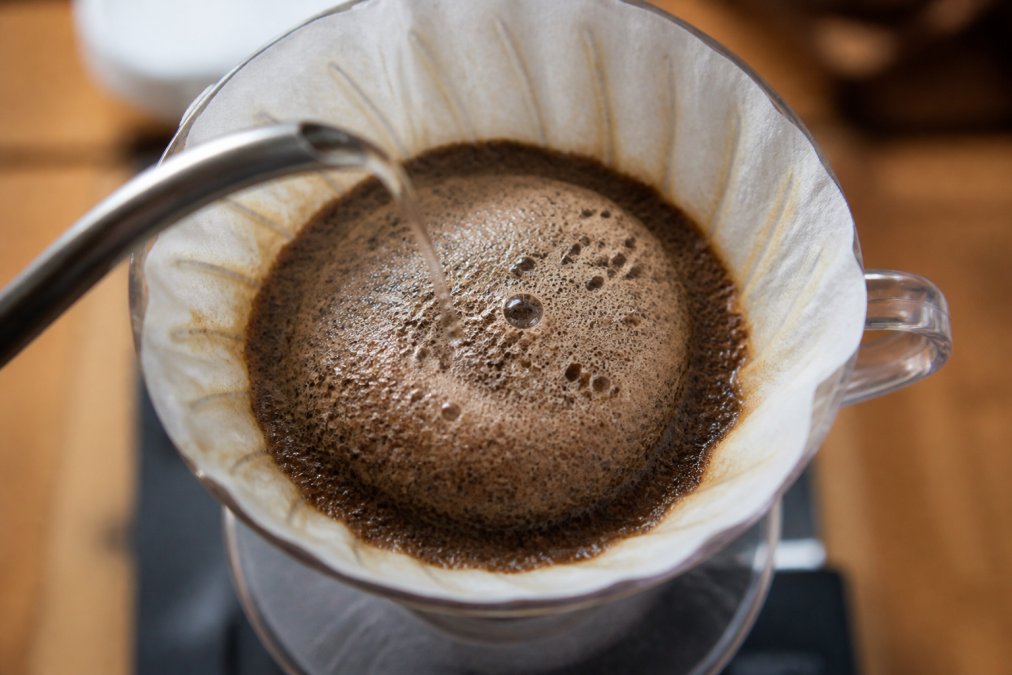
The coffee bloom test is the most reliable at-home method for confirming bean freshness before committing to a full brew. The bloom occurs when hot water contacts fresh coffee grounds and releases the CO2 still trapped inside, creating a dome of bubbles on the surface.
Step-by-Step: How to Perform the Bloom Test at Home
Total Time: 5 minutes Difficulty: Beginner
- Grind your beans to your preferred grind size for pour-over or drip brewing.
- Add grounds to your dripper or filter. Use your standard dose, typically 1-2 tablespoons per 6 ounces of water.
- Heat water to approximately 200°F.
- Pour just enough water to saturate the grounds, roughly twice the weight of the coffee dose.
- Watch the surface for 30-45 seconds.
What to look for: Fresh beans produce a noticeable dome as CO2 escapes rapidly. The grounds puff upward and bubbles are visible on the surface. The more vigorous the bloom, the fresher the beans. Stale beans produce little to no bloom. The grounds sit flat and wet, and water passes through without resistance.
The Bag Puff Test: A Quick Pre-Brew Alternative
Press the one-way valve on the bag against your palm and gently squeeze. Fresh beans actively off-gas CO2, so a bag sealed within the past week should feel firm and release a noticeable burst of gas. A bag that collapses easily and releases little gas has old beans or a compromised seal.
The Role of One-Way Degassing Valves and Roast Level on Freshness Indicators
Understanding packaging and roast-level differences changes how you interpret every freshness signal.
What a One-Way Valve Tells You About the Roaster
A one-way degassing valve is a small plastic or metal fitting on the exterior of a coffee bag that allows CO2 to escape outward while preventing oxygen from entering. Its presence tells you the roaster understands post-roast chemistry.
Without a one-way valve, a roaster must either wait several days after roasting before sealing or risk the bag bursting from gas pressure. Roasters who care about delivering freshly roasted beans use valves as standard practice. According to food packaging research from the Institute of Food Technologists, modified atmosphere packaging with degassing valves significantly extends shelf life by limiting oxygen exposure while allowing CO2 release.
How Light Roast vs. Dark Roast Changes What to Look For
Light roasts: Bloom is slower and less dramatic because CO2 is released more gradually. Don't mistake a modest bloom for stale beans. Instead, pay more attention to aroma complexity and the absence of papery taste. Light roast freshness windows are longer, so a four-week-old light roast may still perform well.
Dark roasts: Bloom is fast and aggressive when fresh. A flat bloom on a dark roast is a clear stale signal. Surface oils are normal; rancid-smelling oils are not. Dark roasts degrade quickly, so the roast date matters more urgently.
Sensory Training for Beginners: Taste Profiles of Stale vs. Fresh Coffee
Sensory evaluation is a skill that improves with deliberate practice. You don't need a cupping background to develop useful sensory awareness.
Fresh coffee has a defined flavor profile: brightness, sweetness, and complexity that shift as the cup cools. Stale coffee tastes flat from the first sip and doesn't evolve. The most common descriptors for stale coffee are papery, hollow, musty, or faintly sour without any of the pleasant acidity of fresh beans.
A simple training exercise: brew the same beans on day 7 post-roast and again on day 35. Taste them side by side. The difference is stark and educational. As documented in the Coffee Quality Institute's sensory training resources, consistent practice builds pattern recognition that allows tasters to identify staleness reliably within a few weeks.
Troubleshooting Your Brew Method When Freshness Is Suspect
A common mistake is blaming brew method when the real issue is bean freshness. If your espresso has no crema, your pour-over tastes thin, or your French press produces a flat cup, run through this checklist before adjusting technique:
- Check the roast date. If it's more than 4 weeks old, freshness is likely the culprit.
- Perform the bloom test. No bloom equals stale beans, not a grind problem.
- Smell the grounds. Flat or musty aroma confirms the diagnosis.
- If beans pass all three checks, then adjust your grind, water temperature, or brew ratio.
Best Way to Store Coffee Beans to Preserve Freshness Longer
Storage is where most home brewers lose ground they gained by buying quality beans. The best way to store coffee beans addresses four enemies: oxygen, moisture, light, and heat.
Oxygen triggers oxidation, which degrades flavor compounds rapidly. An airtight container is non-negotiable. The bag your beans came in, if it has a one-way valve and resealable closure, is often the best storage option for the first two weeks.
Moisture causes beans to absorb ambient humidity, accelerating staling. Never store beans near a sink, dishwasher, or any steam source.
Light degrades organic compounds through photodegradation. Opaque containers are better than clear ones. Keep beans away from windows.
Heat accelerates every chemical reaction involved in staling. Room temperature storage is fine. Avoid storing beans above the stove or anywhere that experiences temperature swings.
Freezing whole beans in a sealed, airtight container can extend shelf life for beans you won't use within the optimal window. Portion beans before freezing so you never thaw and refreeze the same batch. Thaw at room temperature, sealed, before opening.
Do not store beans in the refrigerator. The refrigerator introduces moisture and absorbs odors from surrounding food, both of which damage flavor.
For home brewers who want to eliminate the guesswork of bean age entirely, source from a roaster who ships freshly roasted beans directly to your door. Gospel and Grind roasts to order, which means beans are roasted specifically for your shipment rather than pulled from pre-roasted inventory. The roast date on your bag reflects when your specific batch was made, not when a warehouse batch was sealed.
Frequently Asked Questions
What are the signs of stale coffee beans?
Stale coffee beans typically show a dull, matte appearance instead of a healthy sheen, and they produce little to no aroma when you open the bag. When brewed, stale beans deliver a flat, papery taste or a hollow flavor with no complexity. They also fail the bloom test, fresh grounds release carbon dioxide and puff up when hot water hits them; stale grounds stay flat. Rancidity from oxidation can also produce an unpleasant, almost sour or musty smell.
How long do coffee beans stay fresh after roasting?
As a general guideline, whole coffee beans are at peak flavor between 5 and 30 days after the roast date when stored properly in an airtight container away from light, heat, and moisture. After about 30 days, oxidation begins to noticeably degrade the flavor profile. Ground coffee loses freshness much faster, often within a week. Dark roasts may show oiliness sooner, while light roasts can hold their nuanced fragrance slightly longer under ideal storage conditions.
Does the roast date really matter for coffee freshness?
Yes, the roast date is the single most important freshness indicator on a coffee bag. A 'best by' or expiration date tells you very little about when the beans were actually roasted. Freshly roasted beans need a short rest of 2-5 days to off-gas carbon dioxide before brewing, then hit their peak flavor window. Buying beans with a clearly printed roast date, rather than just an expiration date, is a reliable sign that the roaster prioritizes quality and transparency.
What is the bloom test for coffee freshness, and how do I do it at home?
The coffee bloom test checks whether your beans are still actively off-gassing CO2, which is a direct sign of freshness. To perform it, add your ground coffee to a pour-over or French press, then pour just enough hot water (around 200°F) to saturate the grounds. Fresh coffee will swell and bubble visibly within 30-45 seconds, this is the bloom. Little to no bubbling means the CO2 has already escaped and the beans are likely stale, signaling oxidation has set in.
What is the best way to store coffee beans to keep them fresh?
The best way to store coffee beans is in an opaque, airtight container kept at room temperature, away from direct sunlight, heat sources, and moisture. Avoid storing beans in the refrigerator, condensation introduces moisture that accelerates staling. If you buy in bulk, divide beans into smaller airtight portions and freeze only what you won't use within two weeks. Always let frozen beans come fully to room temperature before opening the container to prevent condensation from forming on the beans.
Can you tell if coffee beans are fresh just by looking at them?
Visual inspection gives you useful clues but isn't definitive on its own. Freshly roasted beans often have a slight natural sheen from oils released during the roasting process, especially in darker roasts. Beans that look extremely dull, dusty, or shriveled may be past their prime. However, excessive oily residue on lighter roasts can indicate over-roasting or age-related rancidity. Always combine a visual check with the aroma test and the bloom test for a reliable freshness assessment of your coffee beans.
Stale beans are the most common and most fixable problem in home coffee brewing. The tests in this guide take less than five minutes and require no special equipment. If you want to skip the freshness guessing game entirely, Gospel and Grind's roast-to-order model and direct-to-door delivery mean your beans arrive at peak freshness, carefully sourced and roasted specifically for your order. Find Your Perfect Roast at Gospel and Grind and taste what freshness actually means in the cup.
This article was written using GrandRanker