

Impact of Buying Artisan Coffee: Quality, Ethics & Value
Table of Contents
- What Defines Artisan Coffee and Why It Matters
- The Flavor Impact: Freshness, Roast Profile, and Complexity
- How Ethical Coffee Brands That Give Back Support Farmers and Communities
- Fair Trade vs. Direct Trade Coffee: Which Model Creates Real Change
- Environmental and Supply Chain Transparency in Artisan Roasting
- Benefits of Artisan Coffee Roasters for Your Daily Brewing Ritual
- Is the Premium Price Worth It? Breaking Down Cost and Value
- Conclusion: Making an Informed Choice About Artisan Coffee
Last Updated: August 17, 2026
What Defines Artisan Coffee and Why It Matters
Artisan coffee represents a fundamental shift in how specialty beans are sourced, roasted, and delivered to consumers who care about quality. Unlike mass-produced coffee that sits in warehouses for months, artisan coffee is roasted in small batches to order, preserving the volatile compounds that create flavor complexity and aroma. Small-batch roasting means beans reach you within days of roasting, not weeks, this freshness matters because coffee begins losing its optimal flavor profile almost immediately after roasting as volatile oils oxidize and dissipate.
The roast profile, how long and at what temperature the beans are heated, determines whether you experience bright, fruity notes or deeper, chocolatey undertones. Artisan roasters adjust these profiles based on bean origin, altitude, and harvest conditions. A Ethiopian single-origin roasted light will taste completely different from the same bean roasted dark. This control allows specialty roasters to highlight the unique characteristics of beans from specific farms and regions.
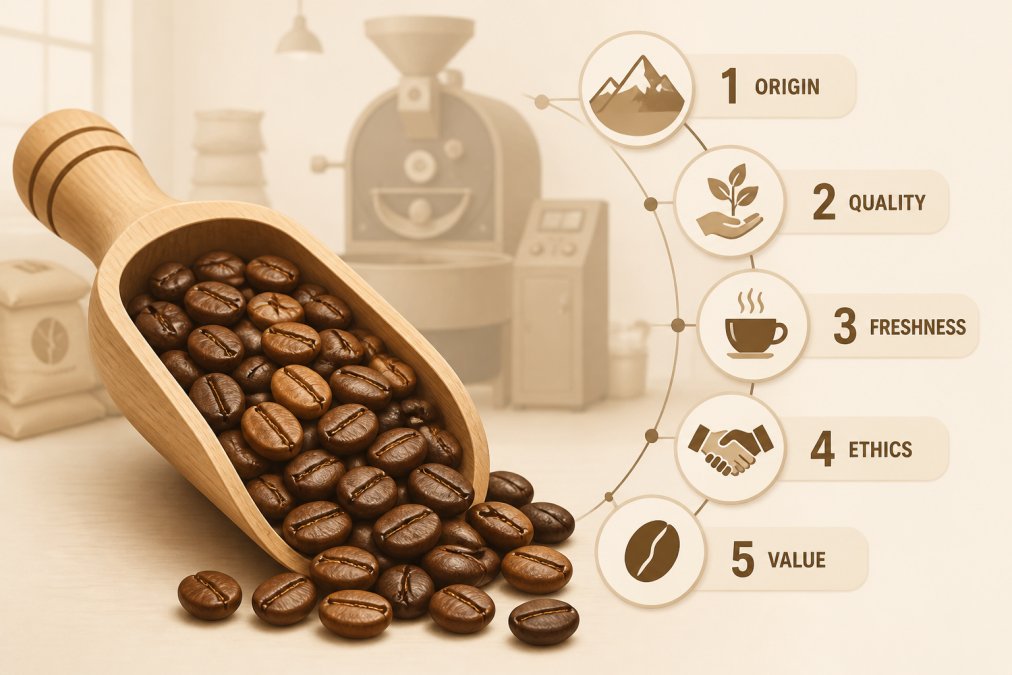
For home brewers, this distinction translates to measurable differences in extraction and taste. Coffee enthusiasts who switch to artisan beans often report that their existing brewing equipment suddenly produces noticeably better results without requiring expensive upgrades.
The Flavor Impact: Freshness, Roast Profile, and Complexity
The flavor you experience in your cup depends on three interconnected factors: how fresh the beans are, how they were roasted, and what origin they came from. Fresh artisan coffee delivers complexity that older beans simply cannot match.
Freshness in coffee is measured in days, not weeks. Within 3-7 days of roasting, beans hit their flavor peak. After two weeks, the volatile oils that create aroma and nuance begin to diminish noticeably. Mass-market coffee often sits in distribution for 4-8 weeks before reaching shelves, meaning it's already past its prime when you brew it. Roast-to-order services eliminate this lag entirely. When you order from Gospel and Grind, beans are roasted after your order arrives, then shipped immediately, typically reaching your door within 3-5 business days of roasting.
The roast profile creates the framework for flavor. Light roasts preserve more of the bean's origin characteristics, you taste the terroir, the soil and climate that shaped the bean. Medium roasts balance origin flavors with roasting notes. Dark roasts emphasize the roasting process itself, creating bold, smoky, or chocolatey flavors.
Single-origin beans showcase this complexity most clearly. A coffee from one specific farm or region carries a distinct flavor profile shaped by altitude, rainfall, soil composition, and harvest timing. A Kenyan single-origin displays acidity and berry notes reflecting that specific terroir, while a Brazilian single-origin often features nuttier, more chocolatey notes. This variability is the opposite of commodity coffee, where consistency means blandness.
How Ethical Coffee Brands That Give Back Support Farmers and Communities
Ethical sourcing in coffee means understanding where your beans come from and whether the farmers growing them are compensated fairly. The impact of buying artisan coffee that prioritizes ethical sourcing flows directly to farming communities that have historically been exploited by commodity coffee markets.
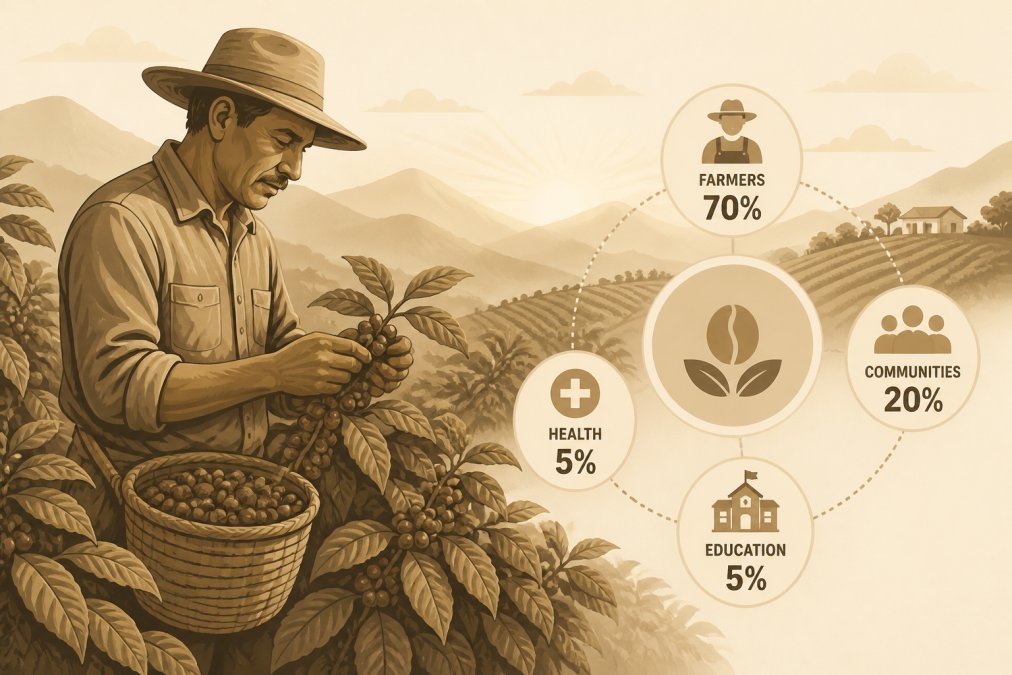
Coffee farmers in developing economies face a structural problem: they produce a commodity traded on global markets where prices are set by factors completely outside their control. When global coffee prices drop, farmers lose income overnight with no way to reduce costs. Ethical coffee brands interrupt this cycle by building direct relationships with farms and committing to prices that reflect the actual cost of quality production.
Gospel and Grind's approach extends beyond fair pricing. The brand combines careful sourcing with a mission-driven commitment to fight homelessness, meaning a portion of every purchase supports community impact work. This model shows how coffee purchasing decisions can have multiplier effects: you get better coffee, farmers receive fair compensation, and local communities benefit from the brand's social mission.
Many ethical coffee brands employ agronomists who work directly with farmers on soil health, pest management, and harvest timing. This support improves both coffee quality and farm sustainability. Traceability matters in this equation, you should know which farm or cooperative your beans came from. Gospel and Grind provides this transparency in their sourcing, allowing you to understand exactly where your coffee originates and how it was produced.
Fair Trade vs. Direct Trade Coffee: Which Model Creates Real Change
Two competing models dominate ethical coffee sourcing: Fair Trade certification and Direct Trade relationships.
Fair Trade certification is a third-party verification system that guarantees minimum prices and working conditions. Fair Trade operates at scale, working with large cooperatives and importers across many countries. The certification provides accountability through auditing and creates a consistent standard that applies globally.
Direct Trade bypasses third-party certification entirely. Instead, roasters build direct relationships with individual farms or small groups of farms, negotiate prices based on quality and cost of production, and often pay significantly above commodity market rates. Gospel and Grind prioritizes direct relationships with coffee-producing partners, allowing for the kind of supply chain transparency and fair compensation that creates meaningful impact.
The trade-off is scale and consistency. Fair Trade can certify millions of pounds of coffee annually because it works through established supply chains. Direct Trade is inherently more limited because it relies on roasters maintaining direct relationships with farms. This means Direct Trade coffee is often more expensive, but the premium typically reflects genuinely higher farmer compensation and more rigorous quality control.
The impact of buying artisan coffee sourced through either model is positive compared to commodity coffee, where farmers often receive less than 10% of the retail price. Fair Trade typically guarantees farmers 15-20% of retail value. Direct Trade roasters frequently pay 25-35% or higher.
Environmental and Supply Chain Transparency in Artisan Roasting
Environmental sustainability in coffee production involves multiple layers: how beans are grown, how they're processed, how they're transported, and how the roasting process itself impacts carbon footprint.
Shade-grown coffee, where coffee plants grow under a canopy of native trees, preserves biodiversity and soil health compared to sun-grown monocultures. Shade-grown methods reduce erosion, maintain habitat for migratory birds, and sequester more carbon in the soil. Ethical artisan roasters prioritize shade-grown and agroforestry practices because they align with long-term sustainability and farmer prosperity.
Water usage is another critical factor. Coffee processing, particularly wet processing where beans are fermented and washed, requires significant water. Artisan roasters who source from farms using water-efficient processing methods reduce environmental impact. Transportation and packaging represent the carbon footprint of your coffee purchase. Gospel and Grind's direct-to-door delivery model eliminates middlemen, reducing handling and storage time while lowering overall carbon impact.
Supply chain transparency means you can verify these practices. Gospel and Grind publishes information about their sourcing, roasting methods, and packaging choices, allowing you to understand the environmental implications of your purchase.
Benefits of Artisan Coffee Roasters for Your Daily Brewing Ritual
The practical benefits of switching to artisan coffee show up immediately in your daily brewing experience. Better beans make your existing brewing equipment perform better, and the ritual itself becomes more engaging when the ingredients are genuinely high quality.
Most home brewers notice improved extraction with artisan beans. With fresh, properly roasted beans, extraction becomes more forgiving, you get good results across a wider range of brewing parameters. Aroma is the first sensory indicator of coffee quality. When you open a bag of freshly roasted artisan coffee, the aroma is noticeably more complex and vibrant than grocery store coffee, and this translates directly to flavor.
High-quality beans work well across different brewing methods: French press, pour-over, espresso, Aeropress, Moka pot. Artisan coffee allows you to experiment with different brewing approaches and taste how each method highlights different flavor characteristics of the same beans. Gospel and Grind's roast-to-order approach means you receive beans at their flavor peak, eliminating the guesswork about freshness. Direct-to-door delivery means you don't need to hunt for quality coffee at specialty shops or compromise with whatever's available at your local grocery store.
Is the Premium Price Worth It? Breaking Down Cost and Value
The price difference between artisan coffee and commodity coffee is substantial. Artisan coffee typically costs more per pound because of small-batch roasting labor, direct sourcing and fair compensation for farmers, roast-to-order logistics, and packaging materials for freshness preservation.
The value proposition centers on freshness, flavor complexity, and alignment with your values. If you brew one cup of coffee daily, the difference between a premium artisan roast and a budget option might be 50-75 cents per cup. Over a year, that's roughly $200-275. For coffee enthusiasts, the improved flavor, aroma, and ritual justify the premium.
However, the value calculation changes if you factor in impact. When you buy from Gospel and Grind, you're supporting farmers who receive fair compensation, funding a mission to fight homelessness, and choosing a brand committed to supply chain transparency and environmental responsibility. Artisan coffee is also more forgiving in brewing, meaning fewer failed batches and more consistent results. The convenience of direct-to-door delivery adds value for busy professionals and home office workers.
The impact of buying artisan coffee extends far beyond your morning brew. You're making a choice about flavor complexity, environmental responsibility, farmer welfare, and the daily ritual that anchors your day. Gospel and Grind combines roast-to-order freshness with carefully sourced beans and a commitment to fighting homelessness, delivering high-quality coffee that aligns with your values. The premium price reflects genuine differences in quality, ethics, and impact, not just marketing. Find Your Perfect Roast and experience how intentional coffee sourcing transforms your daily brewing ritual.
Frequently Asked Questions
Is artisan coffee really worth the higher price point?
The premium reflects several factors: roasted-to-order freshness that preserves volatile compounds and flavor complexity, direct sourcing relationships that pay farmers fairly, smaller-batch roasting that allows precise roast profiles, and supply chain transparency. For coffee enthusiasts and home brewers, the flavor and aroma difference is noticeable. For casual drinkers, it depends on whether you value those qualities enough to justify the cost over mass-market alternatives.
What is the difference between artisan coffee and commercial coffee?
Artisan coffee focuses on single-origin beans, small-batch roasting, and intentional roast profiles tailored to highlight each bean's unique characteristics. Commercial coffee prioritizes consistency and volume, often blending beans from multiple origins and roasting for shelf stability rather than peak flavor. Artisan roasters emphasize traceability and ethical sourcing; commercial producers prioritize cost efficiency. The result: artisan coffee delivers more complex flavor notes and aroma, while commercial coffee prioritizes accessibility and price.
How does buying artisan coffee support small-scale farmers?
Artisan roasters often use direct trade or fair trade models, paying farmers premium prices that reflect the true value of their work. Direct trade relationships eliminate middlemen, sending more money directly to farmers. Fair trade certification ensures minimum prices and supports community development. Small-batch roasting also creates steady demand, allowing farmers to plan crops with confidence. Ethical sourcing practices mean farmers receive recognition for quality, not just volume, incentivizing better cultivation practices and sustainability investments.
What environmental impact does artisan coffee production have?
Artisan roasters typically emphasize sustainability through direct relationships with farms that practice shade-growing and water conservation. Smaller batches mean less waste and more efficient roasting. However, direct-to-door delivery adds transportation emissions. The environmental advantage comes from supporting farms that prioritize long-term soil health and biodiversity over short-term yield, plus the ability to trace and verify sustainable practices. Buying from ethical coffee brands that give back often includes environmental commitments beyond just the roasting process itself.
This article was written using GrandRanker