

Impact of Buying Ethically Sourced Coffee
Table of Contents
- What Ethically Sourced Coffee Actually Means
- How Fair Trade Coffee Benefits Farmers and Communities
- Environmental Impact: From Farm to Your Cup
- Direct Trade vs Fair Trade Coffee: Understanding the Difference
- How to Identify Ethical Coffee Brands You Can Trust
- The Real Cost of Ethical Sourcing and What You're Paying For
- Making Your Choice: A Practical Guide to Buying Ethically Sourced Coffee
Last Updated: August 13, 2026
What Ethically Sourced Coffee Actually Means
Ethically sourced coffee refers to beans grown and harvested under conditions that prioritize fair compensation for farmers, environmental sustainability, and transparent supply chains. It breaks the commodity market cycle where prices fluctuate globally, often leaving farmers earning less than production costs.
Several models exist for ethical sourcing. Fair trade certification ensures compliance with labor and environmental standards verified by third parties. Direct trade eliminates middlemen, allowing roasters to negotiate prices directly with farms that reflect true value. Some roasters use regenerative agriculture practices that actively restore soil health and sequester carbon.
The core principle uniting all approaches is transparency. You should trace your coffee back to the specific farm, cooperative, or region where it was grown. Gospel and Grind emphasizes carefully sourced beans with clear provenance, ensuring you know the story behind every batch. This traceability makes accountability possible.
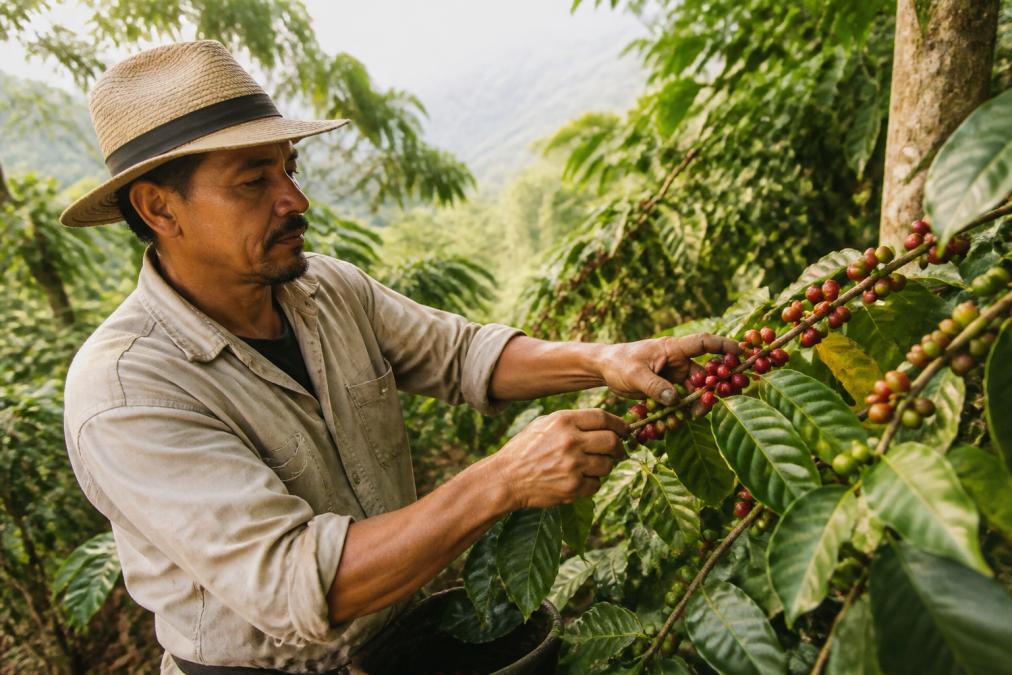
How Fair Trade Coffee Benefits Farmers and Communities
Fair trade coffee guarantees a minimum price floor that protects farmers from market volatility. When global coffee prices collapse, fair trade farmers still receive livable wages, allowing them to invest in farms, educate children, and plan for the future.
Beyond base price, fair trade includes a social premium directing additional funds toward community development. Cooperatives use these premiums to build schools, improve water systems, establish healthcare clinics, and fund agricultural training programs.
Fair trade standards require strict labor protections: worker safety, child labor prohibition, and freedom of association. Workers have documented rights, reasonable hours, and protective equipment. Cooperative structures allow smallholder farmers to pool resources, share equipment, access better input pricing, and collectively market their coffee, distributing economic power more evenly.
Fair trade communities experience measurable improvements in education access, health outcomes, and economic diversification. When farmers earn sustainable incomes, children stay in school longer, families access preventive healthcare, and communities develop secondary income sources reducing coffee dependency.
Environmental Impact: From Farm to Your Cup
Shade-grown and regenerative agriculture practices make measurable environmental differences. Shade-grown coffee, where plants grow beneath native tree canopies, preserves biodiversity that industrial monoculture destroys. Regenerative agriculture actively improves soil health through composting, cover cropping, and reduced chemical inputs, sequestering atmospheric carbon and building farm resilience.
Conventional coffee farming relies on synthetic fertilizers that leach into waterways, pesticides that harm ecosystems, and intensive water use that depletes aquifers. Ethically sourced coffee eliminates or drastically reduces these inputs.
Water usage deserves specific attention. Coffee requires significant water for post-harvest processing. Ethically sourced operations adopt water-efficient processing methods and invest in conservation infrastructure. Some farms harvest rainwater, recycle processing water, and implement wetland systems that naturally filter wastewater.
Gospel and Grind's roast-to-order model reduces waste by eliminating long-term storage and packaging designed for extended shelf life. Beans roasted closer to consumption require less protective packaging and spend less time in transit, reducing material waste and transportation emissions.
Direct Trade vs Fair Trade Coffee: Understanding the Difference
Fair trade operates through third-party certification. Independent organizations audit farms and supply chains to verify compliance with labor, environmental, and economic standards. The fair trade label signals consumers that standards have been met and works well at scale.
Direct trade eliminates the certification middleman. Roasters establish direct relationships with specific farms and negotiate prices based on quality and sustainability practices. There's no standardized certification; the roaster's reputation becomes the assurance mechanism.
Fair trade guarantees a minimum floor price set by certification bodies. Direct trade prices vary based on individual negotiations but often exceed fair trade minimums for exceptional quality. However, direct trade lacks standardized oversight, so ethical commitment depends entirely on roaster integrity.
Fair trade excels at creating systemic change across large farming regions and ensuring consistent labor standards. Direct trade excels at building deeper relationships, allowing roasters to understand specific farm practices and support innovation.
Many roasters use hybrid approaches, combining direct relationships with fair trade certification. The key question isn't which is objectively better, it's which model you trust. Gospel and Grind emphasizes transparent sourcing and careful bean selection, allowing you to understand exactly where your coffee originates.
How to Identify Ethical Coffee Brands You Can Trust
Start with transparency about origin. Ethical brands tell you the specific farm, cooperative, region, or country where beans come from. Vague language like "ethically sourced from Latin America" is a red flag.
Look for third-party certification from recognized organizations like Fair Trade USA or Rainforest Alliance. Certifications represent external accountability. Check the certification body's website to verify claims.
Understand the sourcing model. Do they work directly with farms or use middlemen? Direct relationships often signal stronger commitment, though they don't guarantee ethical practices. Ask whether the brand visits farms and can describe specific farming methods.
Examine pricing relative to quality. Ethical sourcing costs more than commodity coffee. If a brand claims ethical sourcing but prices identically to conventional coffee, something's missing. Gospel and Grind's premium pricing reflects the actual cost of careful sourcing and roasting to order.
Check for transparency about impact. Do they share specific information about farmer incomes, community projects, or environmental metrics? Vague claims suggest aspirational rather than documented impact.
Consider the brand's broader mission. Gospel and Grind's commitment to fighting homelessness alongside ethical coffee sourcing reflects values extending beyond the product itself.
The Real Cost of Ethical Sourcing and What You're Paying For
Ethical sourcing costs substantially more than commodity coffee. Fair trade and direct trade pricing directly reflects higher farmer compensation. Commodity coffee often leaves farmers earning less than production costs; ethical sourcing ensures livable wages.
Certification and verification systems add cost. Fair trade organizations employ auditors, conduct inspections, and maintain databases. Certified organic farming involves more labor-intensive practices and often lower yields, raising production costs.
Supply chain transparency creates friction and cost. Tracking coffee from specific farms requires documentation and communication. Direct relationships involve regular contact and sometimes farm visits.
Processing and handling add costs when done ethically. Water-efficient processing methods require different equipment or more careful labor. Fair labor practices mean paying workers appropriately and providing safe conditions.
Gospel and Grind's roast-to-order approach costs more than batch roasting for mass inventory. Roasting smaller quantities more frequently requires more labor and sophisticated logistics. The benefit is maximum freshness and reduced waste.
The premium reflects genuine cost differences, not just marketing. A bag of ethically sourced coffee costs that much because ethical sourcing, careful roasting, and transparent supply chains genuinely cost more than commodity production.
Making Your Choice: A Practical Guide to Buying Ethically Sourced Coffee
Start by clarifying what matters most to you. Do you prioritize farmer welfare, environmental sustainability, or transparency? Your priorities should guide which brands and sourcing models you choose.
Evaluate your budget realistically. Ethically sourced coffee typically costs more than commodity coffee. Determine what premium you can sustain regularly. Some people buy ethically sourced coffee daily; others buy it selectively for weekends. Both represent progress if intentional.
Start with brands offering transparency. Visit their websites for detailed sourcing information and reach out with questions. Gospel and Grind's emphasis on carefully sourced beans reflects this commitment.
Try different roasts and origins to find what you enjoy. Ethical sourcing doesn't mean sacrificing flavor; direct relationships and careful roasting often produce superior coffee.
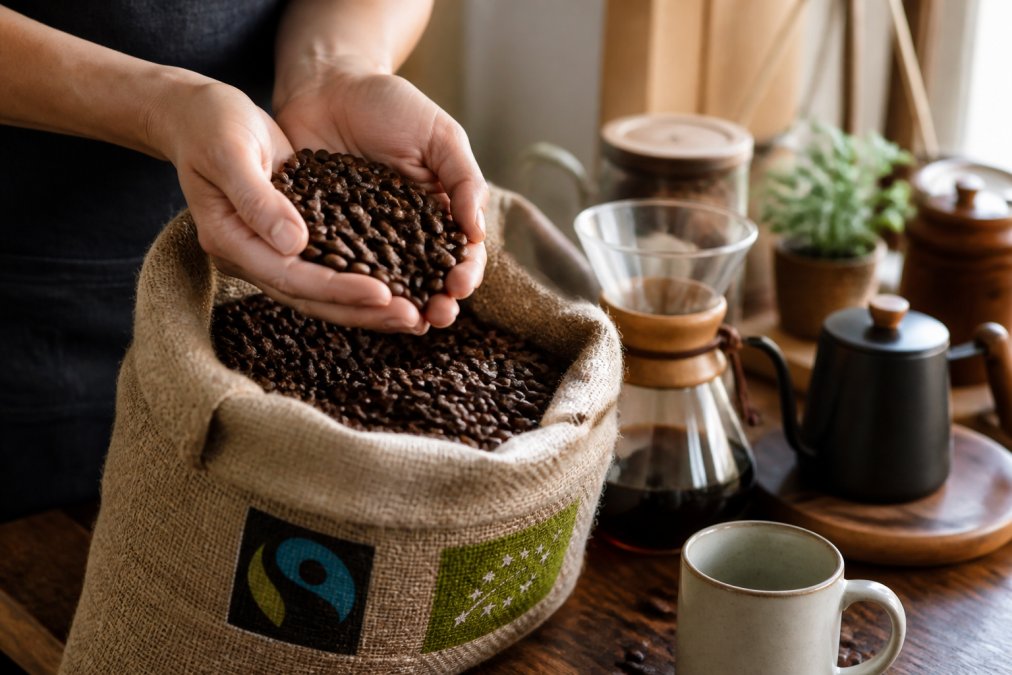
Consider subscription models if you drink coffee regularly. Many ethical brands offer subscriptions reducing per-unit costs and simplifying reordering. Gospel and Grind's direct-to-door delivery makes receiving fresh roasted coffee convenient.
Build relationships with your roaster. Follow their social media and engage with their content about coffee and ethics. Roasters investing in education tend to be more committed to ethical practices overall.
| Sourcing Model | Best For | Key Benefit | Primary Consideration |
|---|---|---|---|
| Fair Trade Certified | Systematic assurance across large volumes | Third-party verification of labor and environmental standards | Standardized but may lack relationship depth |
| Direct Trade | Deep farmer relationships and quality focus | Roaster knows specific farms and can invest in innovation | Requires trusting the roaster's integrity |
| Regenerative Agriculture | Environmental restoration priority | Active improvement of soil and ecosystem health | Often higher cost and limited availability |
| Organic Certified | Chemical-free farming assurance | No synthetic pesticides or fertilizers | Higher cost, may not address labor conditions |
Remember that perfect ethical sourcing doesn't exist. Every supply chain involves trade-offs and imperfect solutions. The goal is making conscious choices reflecting your values and supporting systems working toward justice and sustainability in coffee production.
Choosing ethically sourced coffee means recognizing that your purchasing decisions ripple through farming communities and ecosystems. The premium you pay directly supports farmers earning livable wages, protects environmental resources, and builds supply chains based on transparency rather than exploitation. Gospel and Grind's commitment to carefully sourced beans, roasted to order for maximum freshness, and paired with a mission to fight homelessness demonstrates how ethical coffee sourcing can extend beyond the farm to create broader social impact. When you choose ethically sourced coffee, you're investing in a system where quality, fairness, and purpose align. Learn more about fair trade standards and their impact on farming communities to deepen your understanding, and explore resources on regenerative agriculture practices in coffee production to understand the environmental dimension of your choice. Start with Gospel and Grind's carefully sourced selections and discover how intentional coffee choices can taste better and mean more.
Frequently Asked Questions
Does paying more for ethically sourced coffee actually help the farmers?
Yes, when you buy ethically sourced coffee through certified channels or direct trade relationships, a larger percentage of your purchase reaches the farmer directly. Fair trade certification guarantees a minimum price floor, protecting farmers from commodity market volatility. Direct trade relationships often pay premiums 20-30% above fair trade minimums. This income stability allows farmers to invest in better equipment, sustainable farming practices, and education for their families. Without ethical sourcing, most farmers receive only 5-10% of the retail price.
What's the difference between fair trade and direct trade coffee?
Fair trade coffee uses third-party certification to ensure farmers receive a minimum price and meet labor standards. Direct trade eliminates the middleman, with roasters buying directly from specific farms and building long-term relationships. Direct trade typically offers higher prices to farmers and greater supply chain transparency, but it's less regulated than fair trade certification. Fair trade provides consistent standards across many farms, while direct trade depends on the roaster's commitment to transparency. Both improve farmer income compared to conventional commodity coffee.
How can I tell if coffee is truly ethically sourced?
Look for third-party certifications like Fair Trade Certified, Rainforest Alliance, or UTZ on the packaging. Check the roaster's website for supply chain transparency details and specific farm information. Ethical brands often list the origin country, farm name, and altitude. Ask roasters directly about their sourcing practices and certifications. Be cautious of vague claims like 'responsibly sourced' without backing certifications. Gospel and Grind and similar mission-driven roasters publish their sourcing standards publicly, allowing you to verify their commitment to ethical practices.
What environmental benefits come from ethical coffee farming?
Ethically sourced coffee often uses sustainable farming practices like shade-grown cultivation, which preserves biodiversity and forest habitat. These methods reduce chemical pesticide use, protecting water sources and soil health. Sustainable farms build climate resilience through regenerative agriculture techniques, helping farmers adapt to weather volatility. Shade-grown coffee sequesters carbon and maintains ecosystem services that benefit local communities. Fair trade and direct trade farms are incentivized to adopt long-term environmental stewardship because stable pricing allows investment in sustainable practices rather than short-term profit maximization.
This article was written using GrandRanker