

Direct Trade vs Fair Trade Coffee: Key Differences
Table of Contents
- What Is Fair Trade Coffee and Direct Trade Coffee?
- Direct Trade vs Fair Trade Coffee: Side-by-Side Comparison
- How Each Sourcing Model Works
- Fair Trade Coffee Certification: Standards and Verification
- Direct Trade Coffee Benefits and Trade-Offs
- Farmer Compensation, Pricing, and Income Stability
- How to Choose Ethical Coffee: Reading Labels and Making Informed Purchases
- Frequently Asked Questions
Last Updated: October 14, 2026
What Is Fair Trade Coffee and Direct Trade Coffee?
You'll often see "Fair Trade" or "Direct Trade" labels on coffee bags, with direct trade fair trade sourcing becoming increasingly common among specialty roasters. These terms sound similar but represent fundamentally different sourcing models with distinct impacts on farmers, pricing, and the supply chain.
Fair Trade certification is a standardized, third-party verified system guaranteeing farmers a minimum price floor regardless of market fluctuations, while ensuring basic labor and environmental standards. Direct Trade is a relationship-based model where roasters buy directly from farmers or small producer organizations, cutting out intermediaries and negotiating prices based on quality and long-term partnership rather than a fixed minimum.
The key distinction: Fair Trade is a certification standard with enforceable rules. Direct Trade is a business philosophy with no official certification body. At Gospel and Grind, we source beans from smallholder farmers across regions like Bali, Brazil, Colombia, Costa Rica, and Guatemala, and understanding these sourcing models helps us ensure every bag delivers both exceptional quality and genuine farmer support.
Defining Fair Trade Certification
Fair Trade certification, branded "Fairtrade" for the formal program, guarantees coffee meets specific labor, environmental, and economic standards, verified by independent third-party audits. Certified farmers receive a minimum price per pound, a safety net when global prices drop, plus a portion of revenue directed toward community development projects like schools, healthcare, or infrastructure.
Farms must demonstrate fair labor practices, safe working conditions, and environmental stewardship. Cooperatives handle most Fair Trade transactions, pooling beans from small farms to meet buyer volume requirements, which works well for smallholders who otherwise lack the scale or market access to sell directly to international roasters.
Defining Direct Trade
Direct Trade is a sourcing philosophy, not a formal certification. Roasters establish direct relationships with farmers or small producer organizations, often visiting farms to understand growing conditions, processing methods, and farmers' needs. Prices are negotiated individually based on quality, production costs, and long-term partnership potential, not a standardized minimum.
Because Direct Trade eliminates middlemen, more of the final price can flow to farmers. But with no certification body overseeing transactions, accountability depends entirely on the roaster's integrity. Some publish detailed sourcing, farm visits, and pricing breakdowns; others use "Direct Trade" as marketing without substantive transparency.
Direct Trade vs Fair Trade Coffee: Side-by-Side Comparison
| Aspect | Fair Trade | Direct Trade |
|---|---|---|
| Certification | Third-party verified standard | No official certification; roaster-led |
| Price Model | Minimum price floor + premium | Negotiated per relationship and quality |
| Intermediaries | Cooperatives, exporters, importers | Minimal or none |
| Farmer Access | Pooled through cooperatives | Individual farms or small organizations |
| Transparency | Standardized audit reports | Varies by roaster; no standard verification |
| Quality Focus | Labor and environmental standards | Quality-driven pricing incentives |
| Price Volatility Protection | Yes (minimum guaranteed) | No; depends on market and relationship |
| Community Investment | Mandatory development fund | Varies; depends on roaster commitment |
Coffee sourcing isn't a simple choice between "good" and "bad." Each model offers distinct advantages depending on what matters most to you: price stability, direct farmer relationships, quality incentives, or verified third-party oversight.
How Each Sourcing Model Works
The Fair Trade Supply Chain
Fair Trade coffee follows a structured chain: farmers deliver to a local cooperative, which sells to an exporter or importer, who sells to roasters. Fair Trade standards and pricing rules apply at each step, and cooperatives pool beans from many small farms to meet international buyer volume requirements.
The minimum price guarantee is the defining feature. When global prices fall below the Fairtrade minimum, certified buyers must still pay the floor price, protecting farmers from catastrophic income loss. Buyers also pay a "Fairtrade premium" per pound into a cooperative fund for community projects, which farmers collectively decide how to spend.
Verification happens through regular audits by Fairtrade International and regional certification bodies, confirming farms meet labor standards, environmental practices, and record-keeping requirements. This third-party oversight provides independent assurance that the label means something.
The Direct Trade Relationship
Direct Trade begins with a roaster identifying a farmer or small producer organization whose coffee quality and values align with their brand. The roaster may visit the farm, taste coffee at origin, and discuss pricing, processing, and long-term collaboration.
Pricing is typically higher than commodity rates and often higher than Fair Trade minimums, based on quality and the roaster's willingness to pay for exceptional beans. A farmer producing award-winning specialty coffee might earn significantly more per pound through Direct Trade.
Roasters using Direct Trade often commit to multi-year purchasing agreements, provide technical support or equipment financing, and maintain direct communication with farmers, creating incentives for quality improvement and long-term planning. However, farmers depend on a smaller number of buyers, which is risky if a relationship ends unexpectedly.
Fair Trade Coffee Certification: Standards and Verification
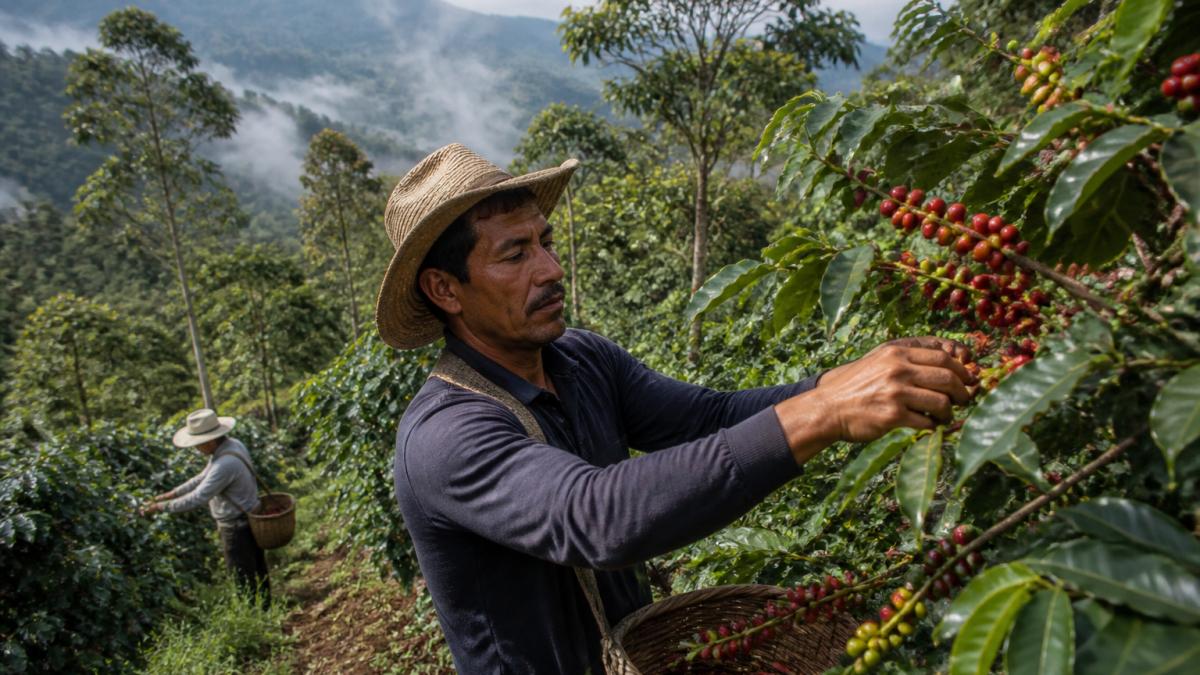
Fairtrade certification is governed by Fairtrade International, a non-profit that sets standards and oversees regional certifiers. Standards cover minimum prices, labor rights, environmental practices, and community development. Farms must pass an initial audit and annual inspections to maintain status.
The minimum price guarantee is adjusted annually based on production costs and market conditions. The Fairtrade minimum for washed arabica is set to cover sustainable production costs plus a living wage, regardless of where global prices trade (Fairtrade International secures a stronger safety net for coffee farmers).
Environmental standards require soil conservation, limited pesticide use, and water source protection. Labor standards prohibit child and forced labor, mandate safe working conditions, and require fair wages for hired workers, verified through documentation review and farm inspections (Fairtrade standards).
The strength of Fair Trade certification is consistency and accountability: any Fairtrade-certified bag has met the same standards. The weakness is that certification fees can be a barrier for the smallest producers, and the minimum price may not reflect the true value of exceptional quality.
Direct Trade Coffee Benefits and Trade-Offs
Direct Trade offers genuine advantages for specialty producers and quality-focused roasters.
Quality incentives are built into Direct Trade pricing: farmers are rewarded for exceptional coffee through higher prices, encouraging investment in processing techniques, varietal selection, and harvest timing. This has driven significant quality improvements in specialty coffee regions.
The relationship itself is a benefit: roasters provide feedback, technical expertise, and sometimes financing for farm improvements, while farmers gain market knowledge and can plan long-term investments with confidence.
However, Direct Trade carries risks. Without third-party verification, there's no guarantee a roaster's claims about farmer compensation are accurate, and some use "Direct Trade" as marketing without meaningful transparency. Farmers also depend on individual buyer relationships, which can be unstable if a roaster shifts sourcing or faces business challenges.
Farmer Compensation, Pricing, and Income Stability
Fair Trade Pricing and Minimum Guarantees
Fair Trade's primary mechanism for farmer support is the minimum price floor, set above typical commodity market rates to cover production costs plus a living wage. The specific minimum varies by coffee type and region but reflects a commitment to ensuring farmers can sustain their operations and families.
Beyond the minimum, the Fairtrade premium provides additional income for community projects. Farmers collectively decide how to spend it, whether on school improvements, clean water systems, healthcare facilities, or farm infrastructure, letting communities address their own priorities.
The income stability provided by Fair Trade is significant. When global coffee prices collapse, Fair Trade farmers still receive the guaranteed minimum, allowing them to plan investments, pay workers reliably, and weather market volatility.
Direct Trade Pricing and Quality Premiums
Direct Trade pricing is typically higher than Fair Trade minimums, sometimes significantly. A roaster paying $5 or $6 per pound for exceptional coffee offers a premium reflecting quality, scarcity, and willingness to invest in relationships.
However, Direct Trade pricing is not guaranteed. It depends on the roaster's assessment of quality, market demand, and relationship strength, so a farmer's income can fluctuate with harvest quality, roaster priorities, or business conditions. There's no safety net equivalent to Fair Trade's minimum price.
Direct Trade also creates incentives for quality improvement: farmers know better coffee commands higher prices, so they invest in processing techniques, harvest timing, and varietal selection. This quality focus has elevated standards in specialty regions and created opportunities to increase earnings through excellence rather than volume.
The trade-off is clear: Direct Trade offers higher upside potential but less downside protection, while Fair Trade offers stability but may not reward exceptional quality as generously.
How to Choose Ethical Coffee: Reading Labels and Making Informed Purchases
When you're selecting ethical coffee, the label tells part of the story. Here's what to look for:
Fairtrade Certification Label: If you see the official Fairtrade label (typically a black and white logo), the coffee has been independently verified to meet Fairtrade standards. This is the clearest guarantee of minimum pricing and third-party oversight. Look for the label on the bag itself, not just in marketing copy.
"Direct Trade" Claims: Direct Trade is unregulated, so claims vary widely. Gospel and Grind provides detailed information about our sourcing partners, including specific regions, altitudes, and processing methods for each single-origin coffee, like our Bali Blue or Guatemala selections.


Origin and Transparency: Ethical roasters provide specific information about where beans come from. Details beyond just the country, such as region, altitude, and farmer or cooperative name, indicate genuine sourcing transparency.
Third-Party Certifications: Beyond Fairtrade, look for certifications like Rainforest Alliance or organic certification, which indicate environmental and labor standards. These aren't mutually exclusive with Fair Trade or Direct Trade; many coffees carry multiple certifications.
Price Point: Ethical coffee costs more than commodity coffee. If a bag is priced the same as supermarket coffee, it's unlikely to be genuinely Direct Trade or Fair Trade. Expect to pay a premium that reflects fair farmer compensation.
Brand Transparency: Research the roaster. Do they publish sourcing information, farmer stories, and pricing details? Do they visit farms and maintain long-term relationships?
The most ethical choice depends on your priorities, whether you prefer direct trade fair trade relationships or certified Fair Trade standards. If you value verified third-party standards and farmer price protection, Fair Trade is the clearest option.
Understanding the difference between Direct Trade and Fair Trade coffee helps you to make purchases aligned with your values. When you choose ethically sourced coffee, you're supporting farmers, communities, and sustainable practices, one cup at a time. Find Your Perfect Roast and experience the difference that intentional sourcing makes.
Frequently Asked Questions
What is the difference between direct trade and fair trade coffee?
Fair trade coffee relies on certification standards and third-party verification to ensure farmers receive a minimum price and meet labor and environmental standards. Direct trade involves roasters buying directly from coffee farmers or farms, cutting out middlemen and building long-term relationships. Fair trade is standardized and audited; direct trade is relationship-based and varies by roaster. Both aim to improve farmer welfare, but through different mechanisms.
Is direct trade coffee certification required, and how does it differ from fair trade certification?
Direct trade coffee has no official certification standard like Fair Trade does. Instead, roasters self-report their direct trade practices and relationships. Fair trade coffee certification comes from organizations that audit supply chains and verify compliance with specific standards. Direct trade relies on transparency and roaster reputation, while fair trade certification provides independent verification. Some roasters use both approaches simultaneously.
What are the direct trade coffee benefits compared to fair trade?
Direct trade can offer higher prices to farmers through premium payments for quality, stronger buyer-farmer relationships, and greater transparency about where coffee comes from. Roasters can invest in specific farms and influence farming practices directly. However, direct trade lacks standardized verification, so quality and impact vary by roaster. Fair trade provides consistent minimum-price protection but may involve more intermediaries and less personalized relationships.
How do I know if coffee is truly direct trade or fair trade when shopping?
Look for official Fair Trade certification labels on packaging, which indicate third-party auditing. For direct trade, check the roaster's website for details about their sourcing relationships and farm names. Gospel and Grind sources directly from smallholder farmers and includes grower names and regions on each bag, like our Colombia beans from Medellin or Guatemala from Antigua. Roasters committed to transparency will share specific farm information and sourcing practices.