

Environmental Impact of Single Origin Coffee
Table of Contents
- How Single-Origin Coffee Production Affects Forests and Biodiversity
- Water Use and Pollution in Coffee Farming
- Processing Waste and Carbon Emissions in Single-Origin Production
- Sustainable Coffee Farming Practices That Make a Difference
- Sustainable Coffee Certifications and Their Real Impact
- Origin-by-Origin Environmental Comparison
- What Conscious Consumers Can Do
- Frequently Asked Questions
Last Updated: October 10, 2026
How Single-Origin Coffee Production Affects Forests and Biodiversity
The environmental impact coffee has through single-origin production extends far beyond your morning cup. Understanding these impacts helps you make more informed decisions about the coffee you brew at home.
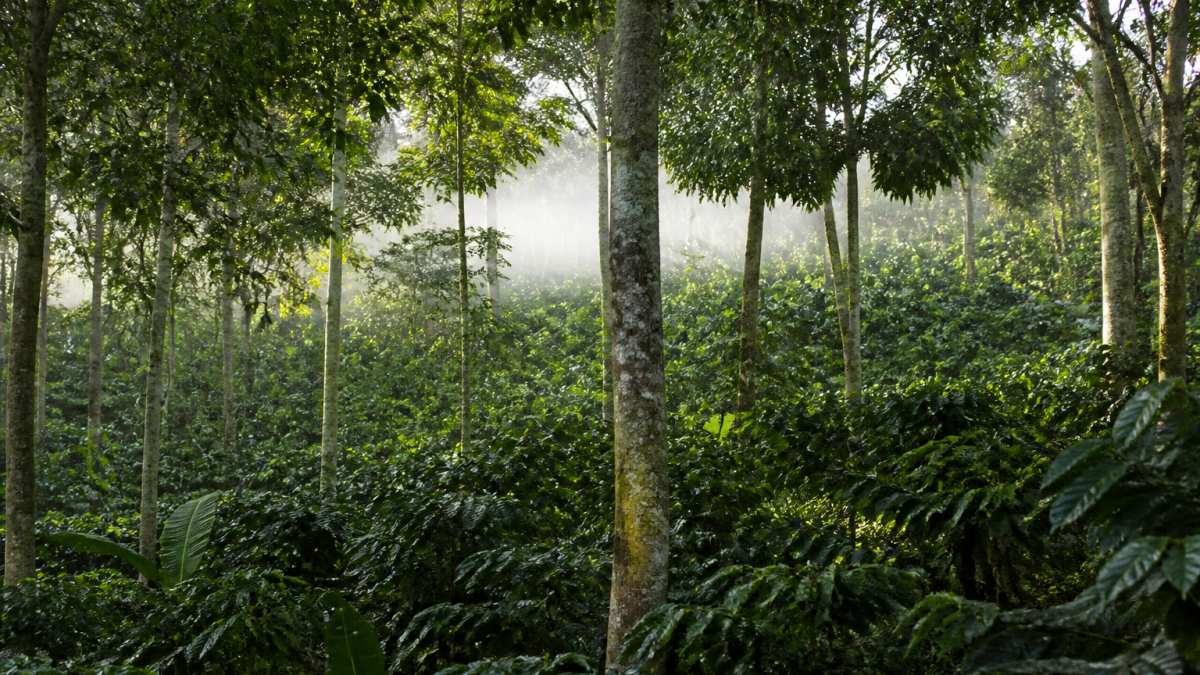
Coffee farming occupies roughly 27 million acres globally. Single-origin production concentrates impact in specific regions, making both problems and solutions more localized and traceable than with blended coffees sourced from multiple countries.
Deforestation and land-use change in coffee regions
Deforestation remains the most visible environmental consequence of coffee expansion. The environmental impact of single origin coffee production is particularly acute in regions like Brazil and Indonesia, where large-scale deforestation for coffee farming has reshaped landscapes.

Not all coffee farming causes deforestation equally. A single-origin Ethiopian coffee from smallholder farmers in the Sidama zone often grows within existing forest systems. Industrial monoculture expansion in Brazil's cerrado or Indonesia's lowlands, by contrast, involves deliberate and extensive forest conversion.
When you trace a single-origin coffee back to its specific farm or cooperative, you can investigate whether that production replaced forest, degraded pasture, or existing agricultural land, traceability impossible with blended coffees.
Shade-grown coffee benefits for habitat preservation
Shade-grown coffee mimics natural forest structure: birds nest in shade trees, insects thrive in leaf litter, and soil retains moisture. The environmental impact of single origin coffee production drops significantly when farms use shade-grown methods.
Shade-grown coffee is more labor-intensive and produces lower yields per acre than sun-grown monoculture. Many single-origin producers face pressure to maximize short-term yields, though shade-grown systems require patience as trees take years to mature.
Gospel and Grind sources single-origin coffees from farms that prioritize sustainable methods, including shade-grown systems where feasible. Our Ethiopia Natural, sourced from Sidama zone smallholder farmers, grows within existing forest systems. Our Colombia selection comes from small farms in Medellin that integrate coffee into diverse agricultural landscapes. These sourcing choices reflect a commitment to reducing the environmental footprint of every bag you brew.
Water Use and Pollution in Coffee Farming
A single cup of coffee requires roughly 140 liters of water from seed to cup. The environmental impact of single origin coffee production depends heavily on how that water is sourced and how processing waste is managed.
Wet processing and wastewater impacts
Most specialty single-origin coffees use wet processing, where freshly harvested cherries are soaked, fermented, and washed to remove fruit layers. This produces superior flavor but generates significant wastewater pollution.
A typical wet-processing facility produces 20-30 cubic meters of wastewater per ton of coffee processed, containing organic matter, tannins, and sugars that deplete oxygen in rivers and streams when discharged untreated, killing fish and degrading water quality.
The environmental impact of single origin coffee production in wet-processing regions depends on whether farms have wastewater treatment infrastructure. Some use settling ponds; others discharge untreated waste.
Soil erosion and soil health concerns
Coffee farming on slopes in mountainous regions like Colombia, Ethiopia, and Central America accelerates soil erosion, thinning soil layers and reducing nutrients, productivity, and resilience to drought and disease.
Soil erosion is both environmental and economic: farmers with eroded soils spend more on fertilizer, productivity drops, and profitability declines. Many single-origin farmers lack resources for soil conservation practices like terracing or cover crops.
Processing Waste and Carbon Emissions in Single-Origin Production
The environmental impact of single origin coffee production extends through the entire supply chain, from farm to roastery to your cup.
Coffee pulp, husks, and waste management
Wet processing generates coffee pulp, parchment, and husks. A ton of coffee produces roughly 600 kilograms of pulp waste, millions of tons annually across all farms.
Some farms compost waste or use it as animal feed; others dump it in rivers, creating pollution and methane emissions. The environmental impact of single origin coffee production at the processing stage depends on byproduct management.
Some producers convert pulp to fertilizer and husks to fuel, reducing fossil fuel reliance, but these solutions require investment and knowledge many smallholder farmers lack.
Life-cycle emissions from farm to cup
A single bag of coffee generates emissions across farming, processing, milling, shipping, roasting, packaging, and delivery. Roasting requires sustained high heat; long-distance shipping adds significant emissions.
Single-origin coffees with shorter distances have lower shipping emissions: Colombian coffee travels roughly 2,000 miles to the US; Indonesian coffee travels 8,000+ miles.
Gospel and Grind roasts to order, which means your beans are roasted after you order them, not weeks or months in advance. This approach maximizes freshness and reduces the likelihood of unsold inventory requiring storage or disposal. Our direct-to-door delivery model consolidates shipments, reducing per-unit transportation impact compared to retail distribution through multiple warehouses.
Sustainable Coffee Farming Practices That Make a Difference
The environmental impact of single origin coffee production can be reduced through deliberate farming choices. These practices don't eliminate impact, but they measurably reduce harm.
Organic methods and farm management approaches
Organic certification prohibits synthetic pesticides and fertilizers but requires more labor, knowledge, and patience than conventional methods, with lower yields during transition years.
Many single-origin producers farm organically due to limited access to inputs or price premiums. The environmental impact of single origin coffee production is lower on organic farms when farmers have knowledge and resources to manage pests and soil health without chemicals.
Shade-grown systems, cover cropping, composting, and agroforestry improve soil health, reduce erosion, and increase biodiversity. The barrier to adoption is access to credit, technical support, and markets that reward these practices.
Sustainable Coffee Certifications and Their Real Impact
If you've bought coffee labeled "fair trade," "rainforest alliance," or "organic," you've encountered certification systems designed to verify environmental and social claims.
Single Origin Favorites Sample Pack →
How certifications verify environmental claims
Certifications create a chain of custody. A farm applies for certification, undergoes inspection, and must meet standards to maintain the label. When you buy certified coffee, you're theoretically buying from a farm that has been independently verified to meet environmental criteria.
Third-party certification makes environmental claims easier to trust, but certification is imperfect: inspection frequency varies, standards differ between certifiers, and rigor varies significantly.
The most reliable certifications are those that conduct regular on-site inspections, publish their standards publicly, and maintain independent auditing. Certifications that lack transparency or rarely inspect farms are less trustworthy.
Origin-specific sourcing and traceability
Single-origin coffee has an inherent advantage over blended coffee: traceability. When you buy a Colombia from a specific region or even a specific farm, you can research that origin's environmental practices. You can investigate whether that farm uses shade-grown methods, manages water responsibly, and invests in soil health.
Traceability doesn't guarantee sustainability, but it makes verification possible. Blended coffees sourced from dozens of farms across multiple countries offer no such opportunity. You can't trace impact. You can't ask questions about specific practices.
Gospel and Grind's Single Origin Favorites Sample Pack includes detailed information about each origin: the grower, the region, the altitude, the soil type, and the processing method. This transparency lets you understand not just the flavor profile, but the environmental context of each coffee. Our Ethiopia Natural comes from smallholder farmers in the Sidama zone using traditional natural processing on raised beds.

Origin-by-Origin Environmental Comparison
Different coffee-growing regions face different environmental challenges and employ different solutions.
Brazil is the world's largest coffee producer. Much of its coffee grows in full sun on large industrial farms. Deforestation for coffee expansion has been extensive, particularly in the cerrado (tropical savanna). However, Brazil also has sophisticated agricultural infrastructure, access to technology, and regulatory frameworks that increasingly incentivize sustainability.
Colombia grows coffee on steep mountain slopes in biodiverse regions. Shade-grown systems are common because the terrain makes large-scale monoculture difficult. Water availability is generally good, but processing waste management varies.
Ethiopia is coffee's birthplace. Much Ethiopian coffee grows in existing forest systems or agroforestry landscapes. Smallholder farmers dominate.
Indonesia has experienced significant deforestation for coffee expansion, particularly in Sumatra and Sulawesi. Wet processing is common, creating wastewater challenges. However, some Indonesian producers are pioneering innovative waste management and agroforestry approaches.
What Conscious Consumers Can Do
You can't eliminate the environmental impact coffee has through single-origin production, but you can reduce it through informed choices.
Buy from roasters who provide origin information. Know where your coffee comes from. Understand the farming methods used. Gospel and Grind shares detailed sourcing information for every single-origin offering because transparency matters.
Choose shade-grown coffees when available. Look for certifications from rigorous organizations. Support producers who invest in soil health and water management. Your purchasing power influences what farmers prioritize.
Reduce waste in your own brewing. Use the right amount of coffee for your brewing method. Compost used grounds. Brew only what you'll drink.
Consider subscription options that deliver fresh-roasted coffee in quantities you'll actually use. Stale coffee is wasted coffee.
The environmental impact of single origin coffee production is real and measurable, but it's not monolithic.
When you choose Gospel and Grind single-origin coffees, you're selecting beans from producers who prioritize sustainable methods and transparent sourcing. Every bag supports our mission to fight homelessness while delivering the rich, complex flavors that make specialty coffee worth savoring. Find Your Perfect Roast and experience the difference that intentional sourcing makes.
| Environmental Factor | Wet Processing | Dry Processing | Shade-Grown Systems |
|---|---|---|---|
| Water Use | High (requires soaking/washing) | Low (relies on sun drying) | Moderate (benefits from canopy moisture) |
| Wastewater Pollution | High (organic-rich discharge) | Minimal (pulp dries on farm) | Low (reduced runoff from canopy cover) |
| Soil Erosion | Moderate (slope management varies) | Moderate (slope management varies) | Low (shade trees stabilize soil) |
| Biodiversity Impact | Low (often monoculture) | Low (often monoculture) | High (forest-like structure) |
| Carbon Footprint | Moderate (water-intensive) | Low (minimal processing) | Low (carbon sequestration in trees) |
According to the Smithsonian Migratory Bird Center's research on coffee farming, shade-grown coffee plantations support significantly more bird species than sun-grown monocultures, with some farms hosting over 150 bird species compared to fewer than 5 in full-sun systems.
Research from the International Coffee Organization's sustainability assessments indicates that water pollution from coffee processing remains a major concern in regions lacking wastewater treatment infrastructure, with untreated discharge degrading aquatic ecosystems across multiple coffee-producing countries.
The United States Environmental Protection Agency's guidance on agricultural water quality emphasizes that soil erosion in coffee-growing regions contributes to nutrient runoff that damages downstream water quality, making soil conservation practices essential for protecting both farm productivity and watershed health.
Frequently Asked Questions
What are the main environmental impacts of single-origin coffee production?
Single-origin coffee production affects the environment through deforestation, water use in processing, soil erosion, and greenhouse-gas emissions across the farm-to-cup life cycle. The severity depends on farming practices, shade-grown methods preserve biodiversity and forest cover, while conventional monoculture farming increases land-use change and habitat loss. Water-intensive wet processing generates wastewater pollution in rivers. Processing waste like coffee pulp creates disposal challenges. Understanding these impacts helps you choose coffees from farms using sustainable practices and proper certifications.
How does shade-grown coffee farming reduce environmental impact?
Shade-grown coffee benefits the environment by maintaining tree cover, preserving wildlife habitat, and supporting biodiversity, particularly migratory birds. Trees reduce soil erosion, improve soil health, and create a more resilient ecosystem. This farming method also sequesters carbon and reduces the need for chemical inputs. Many single-origin coffees from regions like Ethiopia and Central America use shade-grown methods. Look for certifications or grower descriptions mentioning 'shade-grown' or 'agroforestry' to identify coffees produced this way.
Why does coffee farming use so much water, and what's the environmental impact?
Water use in coffee production occurs primarily during wet processing, where coffee cherries are washed and fermented, a step that generates significant wastewater pollution. This wastewater can contaminate rivers and harm aquatic ecosystems if not properly managed. Additionally, coffee plants require consistent rainfall, making farms vulnerable to climate variability. Some regions use dry processing to reduce water consumption, though this method has different trade-offs. Choosing coffees from farms with water-management practices and proper wastewater treatment minimizes this impact.
How can I verify that my single-origin coffee is actually sustainably produced?
Look for third-party sustainable coffee certifications like Fair Trade, Rainforest Alliance, or organic certification, which verify environmental and social standards. Check the roaster's sourcing transparency, Gospel and Grind provides detailed grower information and processing methods for each single-origin coffee, showing exactly where your beans come from. Direct-trade relationships between roasters and farms often indicate stronger sustainability practices than commodity sourcing. Ask roasters about shade-grown methods, water management, and farm certifications before purchasing.