

How to Choose Coffee Beans for Your Home Office
Table of Contents
- Step 1: Assess Your Brewing Method and Bean Type
- Whole Bean vs Pre-Ground Coffee for Office
- Step 2: Match Roast Level to Your Workday
- Step 3: Choose Between Single-Origin and Blends
- Best Coffee Beans for Productivity
- How to Store Coffee Beans for Freshness
- Step 4: Prioritize Freshness and Roast Date
- Frequently Asked Questions
Last Updated: October 6, 2026
Step 1: Assess Your Brewing Method and Bean Type
When you choose coffee beans home office, your brewing method determines which beans work best, so decide this first.
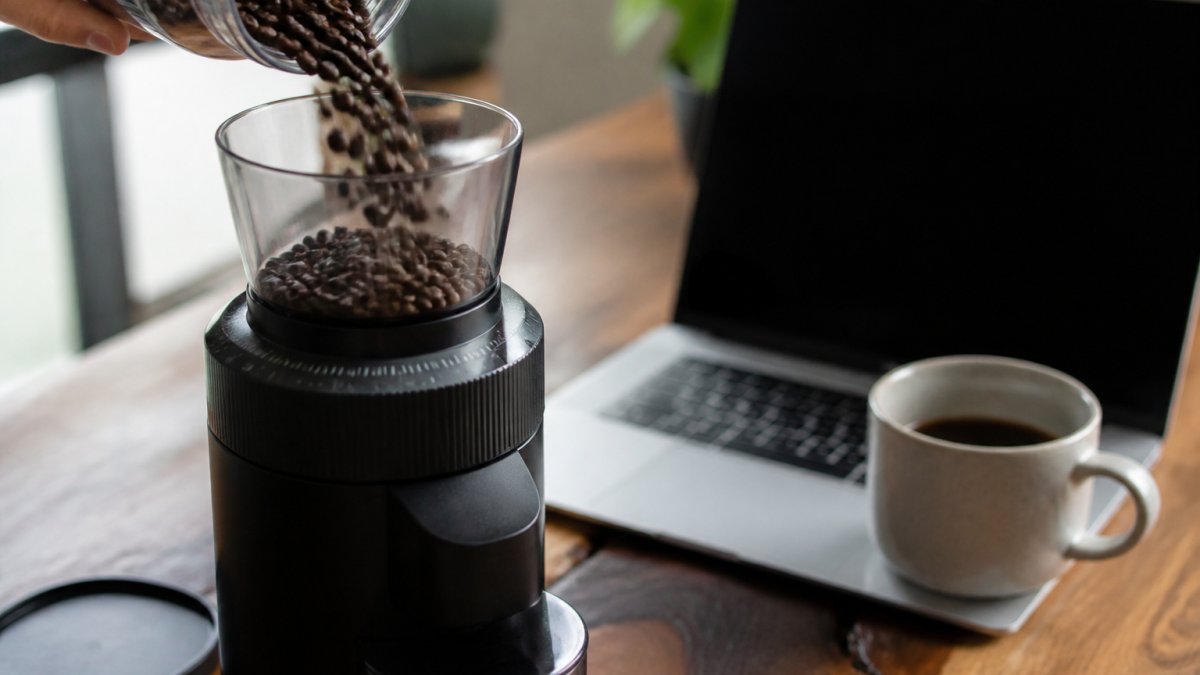
Bean-to-cup machines and whole beans
Bean-to-cup machines grind and brew in one step, taking whole beans exclusively and handling grind size and extraction automatically.
Gospel and Grind roasts beans to order, so your machine grinds them fresh rather than weeks-old pre-ground sitting on a shelf.
Whole beans stay fresher longer because the oils stay sealed until grinding.
Pour-over, French press, and espresso setups
Pour-over and French press give you control over grind size, water temperature, and brew time, and work with whole beans or pre-ground.
Espresso requires a finer grind than drip.
For any manual method, whole beans are better if you have a grinder; without one, pre-ground sacrifices freshness and flavor complexity.
Whole Bean vs Pre-Ground Coffee for Office
Whole beans last longer and taste better. Pre-ground coffee starts losing flavor within minutes of grinding because the increased surface area lets oils oxidize; whole beans stay fresh for weeks.
Pre-ground is convenient, but most grocery store bags have already lost significant aroma and complexity.
For a home office brewing one or two cups daily, whole beans make sense: skipping the grind saves little time and the flavor difference is substantial.
Pre-ground only makes sense if you travel frequently and can't maintain a grinding routine.
Step 2: Match Roast Level to Your Workday
Roast level affects flavor and caffeine content, and different roasts suit different work styles.
Light roasts for focus and acidity
Light roasts are roasted briefly, preserving origin character with bright, crisp flavors and higher acidity (Acids in brewed coffees: Chemical composition and sensory threshold).
For focused work, light roasts deliver brightness with fruity, floral, or tea-like notes depending on origin.
Medium roasts for balance and consistency
Medium roasts balance origin flavor with roasted character: moderate acidity, fuller body, smoother finish, and the most forgiving across brewing methods.
Gospel and Grind's House Blend and Brazil Santos are medium roasts for daily drinking: the House Blend is smooth with nutty, chocolate notes, while Brazil Santos delivers cocoa notes.

Medium roasts are ideal for home office work: balanced, forgiving of imperfect technique, and consistent day to day.
Dark roasts for bold flavor and body
Dark roasts are roasted longest, developing bold, smoky flavors and full body with lower acidity and notes of chocolate, nuts, or caramel.
Dark roasts work well in milk-based drinks because their bold flavor cuts through milk and oat milk.
Step 3: Choose Between Single-Origin and Blends
Single-origin beans come from one location. They express that region's altitude, soil, climate, and processing method, so each origin has distinct flavor notes.
Gospel and Grind's Single Origin Favorites Sample Pack includes six origins: Brazil Santos, Colombia, Costa Rica, Ethiopia, Honduras, and Tanzania. Brazil Santos offers cocoa, Colombia brings dried orange and berry, and Ethiopia tastes like milk chocolate and fruit.

Blends combine beans from multiple origins for consistent, balanced flavor. House Blend and Breakfast Blend taste the same batch to batch because the roaster adjusts bean ratios to maintain consistency.
For home office work, blends offer reliability and single-origins offer variety.
Best Coffee Beans for Productivity
The best beans for a home office fit how you actually work: match caffeine strength to your schedule, pick a flavor you'll enjoy daily, and know how to fix a bad cup.
Caffeine strength: what actually varies
The roast-level caffeine difference is smaller than most people assume. Dose and brew method matter more:
- Dose: a 20-gram pour-over delivers more caffeine than a 14-gram one, regardless of roast.
- Method: espresso concentrates caffeine into a small volume; a long drip or French press extraction pulls more total caffeine from the same beans.
- Decaf: for an afternoon cup without the stimulant, decaf beans are processed to remove most caffeine before roasting. They brew and taste like regular coffee, though flavor can be slightly flatter depending on the process.
Matching beans to your workday
- Morning, focused work: a light or medium roast with bright, clean flavor. Pour-over brings out clarity; medium roast is more forgiving if your technique isn't precise.
- Mid-morning or afternoon, second cup: a medium or dark roast, or decaf, so you're not stacking stimulants late in the day. Dark roast also holds up with milk or oat milk.
- All-day sipping: a medium roast blend that tastes consistent cup to cup, so you're not troubleshooting coffee when you should be working.
Dialing in: fixing a cup that tastes wrong
When coffee tastes off, the cause is usually grind size, dose, or brew ratio, and the fix is predictable:
- Tastes sour, sharp, or thin: under-extracted. Grind finer or increase brew time, slow the pour for pour-over, steep longer for French press.
- Tastes bitter, dry, or ashy: over-extracted. Grind coarser or shorten brew time. Dark roasts tip into bitterness faster, so back off the grind first.
- Tastes weak or watery: increase the coffee dose, not the water. Start around 1 gram of coffee to 15-17 grams of water; adjust from there.
- Tastes flat or dull: the beans may simply be stale. Check the roast date. If they're more than four weeks old, that's likely the culprit, not your technique.
Change one variable at a time. If you adjust grind and dose together, you won't know which fix worked.
A practical bean-selection sequence
If you'd rather follow a decision path than read recommendations, work through this order:
- Brewing method? Bean-to-cup machine → whole beans only. Pour-over, French press, or espresso → whole beans preferred, pre-ground acceptable if you have no grinder.
- Cups a day, and when? One morning cup → light or medium. Morning plus afternoon → medium in the morning, medium, dark, or decaf in the afternoon.
- Add milk? Yes → dark or medium roast. No → light or medium roast to keep origin flavor forward.
- Consistency or variety? Consistency → a blend. Variety → single-origin, or a sample pack to explore.
- Can you finish the bag in three to four weeks? Yes → buy it. No → buy smaller, or set a subscription.
How to Store Coffee Beans for Freshness
Storage determines how long your beans stay fresh. Whole beans stay fresh about three to four weeks after roasting when stored properly; pre-ground stays fresh about one to two weeks.

The four enemies of freshness
- Oxygen, the primary cause of staling. Every time you open the container, fresh air enters and the oils oxidize. A small bag you finish in two weeks beats a large bag you open for two months.
- Light, ultraviolet light breaks down aromatic compounds in the oils. Keep beans in an opaque container or cabinet, not on an open desk shelf.
- Heat, warmth speeds oxidation. Above the coffee maker or next to a sunny window is the worst spot in the office.
- Moisture, humidity degrades the bean and encourages mold. Keep the container sealed between uses.
What actually works
An airtight, opaque container in a cool, dark cabinet is standard.
Should you refrigerate or freeze?
For a home office brewing daily, neither is necessary, and both can hurt if done casually. The refrigerator is humid and full of odors, and beans absorb both.
Buying cadence for one or two drinkers
This is where most home-office setups go wrong. One daily drinker using roughly 18-20 grams per cup goes through about 500 grams (a little over a pound) in roughly three weeks; two daily drinkers finish that in about a week and a half. Match your bag size to that math:
- One drinker, one cup a day: a 12-ounce bag lasts about two to three weeks, right at the edge of peak freshness. Buy one bag at a time.
- Two drinkers, one cup each a day: a 12-ounce bag lasts about a week to ten days. Buy two bags per order or set a two-week subscription.
- Heavier use or milk drinks: size up, but never buy more than you'll finish in four weeks.
Check the roast date, not the best-by date. A best-by date tells you nothing about when the beans were roasted; a roast date does.
A subscription solves the cadence problem. For a home office, a flexible subscription shipping every two weeks keeps you inside the optimal freshness window without overbuying.
| Storage Method | Freshness Duration | Best For |
|---|---|---|
| Airtight container, cool dark place | 3-4 weeks | Home office workers |
| Original valve bag, sealed | 2-3 weeks | Shorter-term storage |
| Refrigerator in airtight container | Not recommended | , |
| Freezer in airtight container | 3-6 months | Long-term backup only |
Step 4: Prioritize Freshness and Roast Date
Check the roast date on every bag you buy. Beans roasted last week taste noticeably better than beans roasted two months ago.
Grocery store beans rarely show a roast date, a red flag, since you can't tell how long they've sat on a shelf.
Gospel and Grind includes the roast date on every bag, and roasted-to-order means your beans are roasted after you order them, not weeks before.
A subscription works well for home office workers. Gospel and Grind offers flexible subscriptions you can pause when you travel and restart when you're back at your desk.
| Storage Method | Freshness Duration | Best For |
|---|---|---|
| Airtight container, cool dark place | 3-4 weeks | Home office workers |
| Original bag, sealed | 2-3 weeks | Shorter-term storage |
| Refrigerator in airtight container | 1-2 months | Extended storage |
| Freezer in airtight container | 3-6 months | Long-term backup |
When you choose coffee beans home office, it comes down to brewing method, preferred roast level, and commitment to freshness.
Gospel and Grind delivers fresh, carefully sourced beans roasted to order so you get maximum flavor and aroma in every cup. Our House Blend and Breakfast Blend are designed for daily home office work, while our Single Origin Favorites Sample Pack lets you explore different flavor profiles. Every purchase supports our mission to fight homelessness, so your coffee makes a real impact. Find Your Perfect Roast and experience the difference fresh beans make in your daily work.
Frequently Asked Questions
How do I know if coffee beans are fresh when ordering online?
Check the roast date on the bag, it should be within 2-4 weeks of your purchase. Beans roasted to order, like those from Gospel and Grind, arrive fresher than coffee sitting on shelves. Look for a clear roast date printed on the label, not just a vague "best by" date. Vacuum-sealed whole beans stay fresher longer than pre-ground coffee, which loses flavor within days of grinding.
What's the difference between whole bean and pre-ground coffee for a home office?
Whole beans stay fresh for 2-4 weeks after roasting, while pre-ground coffee loses flavor within 24-48 hours. For a home office where you brew daily, whole beans deliver better taste consistency and aroma. You'll need a grinder, but the flavor improvement is noticeable. If convenience matters more than peak freshness, pre-ground works, but whole beans are worth the extra step for quality coffee throughout your workday.
Which roast level is best for staying focused during work?
Medium roasts offer the best balance for productivity, they preserve origin flavors and acidity (which enhances alertness) while delivering smooth, consistent taste. Light roasts have slightly more caffeine and bright acidity but can taste sharp. Dark roasts are bold and comforting but may feel heavy mid-afternoon. For all-day office drinking, medium roasts like Gospel and Grind's House Blend ($23.99) provide steady energy and flavor without peaks and crashes.
Should I buy single-origin or blended coffee beans for my home office?
Single-origin beans showcase distinct flavor profiles and work well if you enjoy exploring different tastes. Blends offer consistency and balance, the same cup every morning, which many home office workers prefer for routine. Gospel and Grind's Single Origin Favorites Sample Pack ($20.89) lets you try six origins before committing, while their House Blend delivers reliable smoothness daily at $23.99. Choose single-origin for variety, blends for predictability.