

How to Find the Freshest Coffee: A 2026 Guide
Table of Contents
- Why Coffee Freshness Matters More Than You Think
- Coffee Roast Date Importance: The One Label to Check First
- How to Tell if Coffee Beans Are Fresh: 5 Field Tests
- The Best Way to Store Coffee Beans for Long-Lasting Freshness
- How to Find the Freshest Coffee Online and in Stores
- Degassing and Freezing: Two Freshness Angles Most Shoppers Miss
- Conclusion: Build a Freshness Routine That Works
- Frequently Asked Questions
Last Updated: September 23, 2026
Why Coffee Freshness Matters More Than You Think
Freshness is the single biggest variable separating a memorable cup from a forgettable one. Coffee is an agricultural product: it peaks, then declines. This guide from Gospel and Grind walks through how to find the freshest coffee, from reading a roast date to a thirty-second counter test.
Coffee Roast Date Importance: The One Label to Check First
The roast date is the only date on a coffee bag that tells you anything useful. A "best by" stamp is a shelf-life estimate written for retail logistics, not a freshness guarantee.
A practical reading of that clock:
- Days 1-3 after roast: Resting period. Beans release carbon dioxide rapidly, and brewed cups can taste flat or gassy.
- Days 4-14: The sweet spot for most brewing methods. Aroma, acidity, and body are at or near their peak.
- Days 15-30: Still enjoyable, but brightness fades and the cup flattens.
- Beyond 30 days: Oxidation dominates. Flavor turns papery, woody, or dull.
How to Tell if Coffee Beans Are Fresh: 5 Field Tests
You can judge freshness without special equipment. These five checks take under two minutes and work on whole bean coffee in any kitchen.
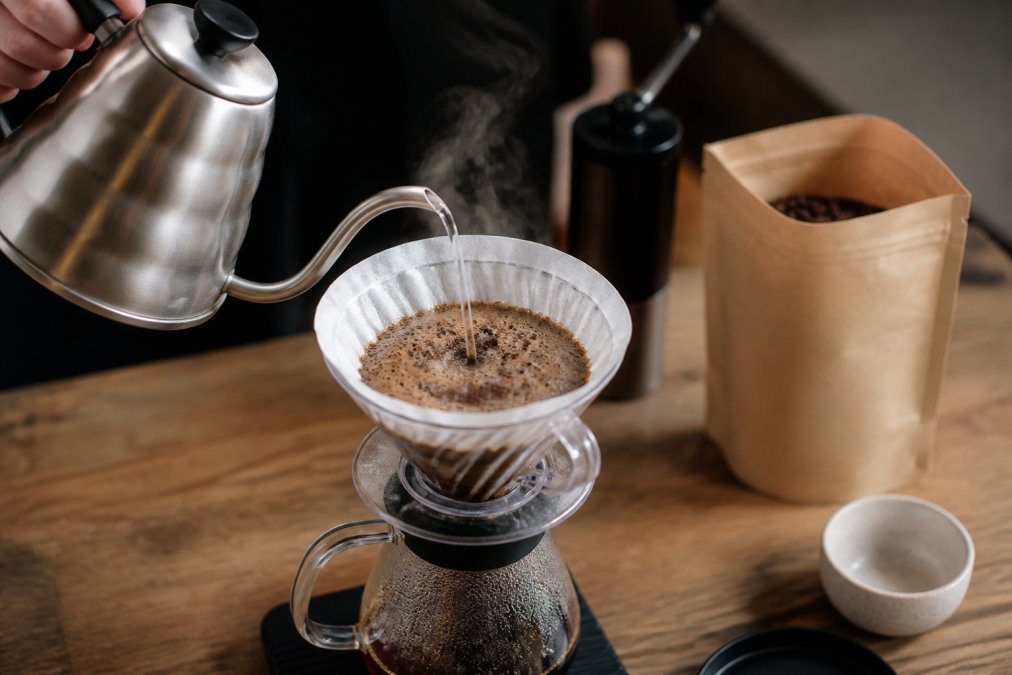
- Smell the bag. Fresh beans release a strong, sweet, roasty aroma the moment you open the bag. Stale beans smell faint, cardboard-like, or musty.
- Squeeze a bean. A fresh bean is dense and resists pressure. An old bean crumbles or feels light and hollow.
- Look for surface oils. Coffee oils migrate to the surface over time, especially on darker roasts. A light sheen on a dark roast can be normal within the first week or two, but heavy greasiness on a medium roast usually signals age.
- Listen for the grind. Grinding fresh beans produces a crisp, audible crack. Stale beans grind quietly and produce more dust.
- Taste a small sip. Fresh coffee has clear acidity and a lingering aftertaste. Stale coffee tastes flat, bitter, or hollow in the middle.
The Coffee Bloom Test: Your 30-Second Freshness Check
The coffee bloom test is the fastest way to confirm freshness at brewing time. It measures how much carbon dioxide the ground coffee still holds.
The Best Way to Store Coffee Beans for Long-Lasting Freshness
The best way to store coffee beans is in an airtight, opaque container in a cool, dark place. Oxygen, light, heat, and humidity are the four enemies of freshness, and a good routine addresses all four.
What Actually Happens During Storage
Roasted coffee is porous and hygroscopic, a lattice of cellulose filled with oils, acids, and aromatic compounds that behaves more like a sponge than a pantry good. Three processes run once the bag is opened:
- Oxidation. Oxygen reacts with lipids and aromatic compounds, producing the papery, woody, flat flavors of stale coffee. This is the dominant decay mechanism and it accelerates with heat.
- Moisture migration. Beans equilibrate with ambient humidity, pulling in or losing water, which changes how water extracts flavor during brewing.
- Aroma volatilization. The compounds that make a fresh bag smell alive are volatile by definition. Every time you open the container, a burst of them leaves and never comes back.
A Storage Protocol That Holds Up
- Keep beans whole until brew time. Grinding increases oxygen exposure by orders of magnitude. Pre-ground coffee can stale within a week; whole bean holds for weeks under the same conditions.
- Match container size to batch size. A one-pound bag in a two-quart jar leaves a large headspace of oxygen. Use the smallest container that fits, and refill from a larger sealed reserve rather than opening the main supply daily.
- Choose an opaque, gasketed container. Clear glass on a sunlit counter is the worst-case setup. Pick a canister with a silicone gasket and one-way valve, or keep beans in the roaster's original valve bag and press out excess air before sealing.
- Skip the fridge. Refrigerators cycle temperature and humidity every time the door opens, and coffee absorbs odors readily. A butter-scented bean is a real outcome, not a hypothetical one.
- Buy a two-week supply, not a two-month supply. Even perfect storage only slows decay. Smaller, more frequent purchases beat heroic preservation every time.
The Smell Test That Confirms Your Storage Is Working
Run this check every few days on your open supply:
- Smell from a few inches away. A clear, sweet, roasty aroma is good; a faint or cardboard note means oxidation has taken hold.
- Squeeze a bean. Fresh beans are dense and resist; stale beans crumble or feel hollow.
- Grind a small pinch and listen. A crisp crack indicates structure; a dull, dusty grind indicates age.
Why This Matters More Than the Bag You Buy
A roaster can ship coffee at peak freshness, but storage determines how long that peak lasts. Two identical bags stored differently can taste a week apart within five days of opening. Container, batch size, and how often you open it are the variables you control.
How to Find the Freshest Coffee Online and in Stores
Online ordering is the most reliable route to fresh coffee, provided you buy from a roaster who roasts to order rather than to stock.
When you shop, check for these signals:
- A published roast date, not just a best-by date
- Roast-to-order language, meaning the coffee is roasted after you place the order
- Small-batch roasting, which shortens the gap between roast and shipment
- A stated shipping window, so you know how long the beans spend in transit
| Where You Buy | Typical Freshness | What to Check |
|---|---|---|
| Roast-to-order online | Days from roast | Published roast date, shipping window |
| Local roastery | Days to weeks | Roast date on bag, turnover rate |
| Specialty grocery | Weeks | Roast date, packaging seal |
| Big-box shelf | Weeks to months | Best-by date only, often no roast date |
Degassing and Freezing: Two Freshness Angles Most Shoppers Miss
Two factors shape freshness more than most buyers realize: degassing and freezing. Understanding both changes how you time brews, store a surplus, and why "roasted yesterday" is not always what you want.
Degassing: Why "Too Fresh" Is a Real Problem
During roasting, green coffee undergoes hundreds of chemical reactions, Maillard browning, caramelization, breakdown of chlorogenic acids, and one byproduct is carbon dioxide trapped inside the bean's porous structure. After the roast, that CO2 slowly escapes. This is degassing, and it drives almost everything people notice about fresh coffee.
- Why a bag puffs up. A sealed bag with a one-way valve inflates as CO2 accumulates. A bag that never puffs was either roasted long ago or packed without a valve.
- Why the bloom happens. When hot water hits ground coffee, it accelerates CO2 release. The swelling, bubbling dome you see in a pour-over is trapped gas escaping, a direct read on how recently the beans were roasted.
- Why very fresh coffee can taste flat. CO2 in the brew water interferes with extraction. It lowers the pH of the slurry and physically blocks water from reaching soluble flavor compounds. A cup brewed one day post-roast often tastes sharp, gassy, or hollow, not because the coffee is bad, but because it hasn't rested.
A Practical Cupping Test for Arrival Day
You don't need a professional cupping table to verify freshness when a bag lands. This simplified version takes ten minutes and tells you more than any label:
- Grind a small sample, about two tablespoons, to a medium-coarse setting.
- Smell the dry grounds in the cup. Fresh coffee gives a clear, layered aroma. Stale coffee smells flat or papery.
- Pour hot water just off the boil over the grounds and start a timer.
- Break the crust at four minutes with a spoon. Lean in and smell the released aromatics. This is the single most informative moment in the test.
- Slurp from a spoon once the cup cools enough to sip. Note acidity, sweetness, and aftertaste. A long, clean finish suggests fresh, well-rested coffee; a hollow middle suggests under-resting or age.
Freezing: The Most Effective Home Storage Method, Done Right
Freezing, done correctly, is the most effective long-term home storage method. Done wrong, it's worse than leaving beans on the counter. The difference is moisture control.
The protocol:
- Portion before freezing. Divide beans into single-week or single-batch portions so you never thaw more than you'll use.
- Seal each portion airtight. Vacuum-sealed bags are ideal. A heavy-duty zip-top bag with the air pressed out works as a fallback.
- Freeze immediately. Don't let portions sit on the counter while you prep the next one.
- Grind from frozen. You don't need to thaw. Beans are brittle at freezer temperature and grind cleanly; they warm to room temperature within seconds during grinding.
- Never refreeze. Each thaw-and-refreeze cycle introduces condensation, and moisture is the enemy of both flavor and grinder health.
The Sustainability Angle
Buying smaller quantities more often reduces waste, and roast-to-order models cut the warehousing and overproduction that lead to it. Local sourcing shortens shipping distance and often delivers fresher coffee, though a mass-market roaster with efficient logistics can sometimes match freshness at a lower carbon cost. The honest answer: the freshest coffee is usually the one that traveled the least.
Degassing and freezing are two sides of the same coin: one explains why fresh coffee behaves the way it does, the other explains how to keep it fresh longer. Rest your beans before brewing, freeze your surplus in airtight portions, and never refreeze. Get both right and your coffee stays at peak far longer.
Conclusion: Build a Freshness Routine That Works
Freshness is perishable by design, and the supply chain is built to hide that fact. The fix is a routine: check the roast date before buying, choose roasters who roast to order, store beans whole in an airtight container away from heat and light, and run the bloom test whenever unsure.
Frequently Asked Questions
What is the freshest coffee you can buy?
The freshest coffee is roasted to order and shipped within a day or two of roasting. Look for a roast date printed on the bag, not just a best-by date. Coffee reaches peak flavor about 4 to 14 days after roasting, once most carbon dioxide has escaped during degassing. Bags with a one-way valve let that gas out without letting oxygen in, which slows oxidation. Ordering from a roaster that prints the roast date, like Gospel and Grind's roasted-to-order process, is the most reliable way to get freshest coffee.
How do you check the roast date on coffee bags?
Flip the bag over and look for a printed date near the bottom or on the back label. Roasters use two formats: a roast date (when beans were roasted) and a best-by date (often 6 to 12 months later). Always prioritize the roast date. If a bag only shows a best-by date, subtract 6 to 12 months to estimate the roast window, but treat that as a rough guess. No date at all is a red flag. Gospel and Grind prints roast dates because each order is roasted to order.
How should you store coffee beans to maintain freshness?
Store whole beans in an airtight, opaque container at room temperature, away from light, heat, and moisture. A one-way valve on the bag or container lets carbon dioxide escape without letting oxygen in. Keep beans away from the fridge door, which swings open and exposes them to temperature shifts. For longer than two weeks, freeze beans in an airtight container in single-use portions and grind them straight from frozen. Buy only what you will drink in 2 to 4 weeks for the best flavor.
What are the signs of stale coffee beans?
Stale beans lose their aroma, look dull or oily on the surface, and feel light or hollow. When brewed, stale coffee tastes flat, papery, or cardboard-like, with muted acidity and a thin body. A bloom test helps confirm it: pour hot water over freshly ground coffee and watch. Fresh coffee puffs up and bubbles as carbon dioxide escapes. Stale coffee barely reacts and sits flat. If your cup tastes dull and the bloom is weak, your beans have likely passed their freshness window.