

Coffee Subscription With Flexible Delivery
Table of Contents
- How We Tested Coffee Subscriptions
- What Makes a Fresh Roasted Coffee Beans Subscription Stand Out
- Coffee Subscription Pause and Skip Features: Why Flexibility Matters
- Delivery Frequency and Customization Options
- Understanding Roast Profiles and Flavor Selection
- Sustainability and Packaging Considerations
- How to Choose the Right Coffee Subscription for Your Needs
- Conclusion
Last Updated: August 19, 2026
How We Tested Coffee Subscriptions
We evaluated coffee subscriptions on flexibility: Can you pause without penalty? Skip shipments? Adjust delivery frequency? We analyzed subscription management dashboards, tested pause-and-skip workflows, and tracked delivery speed. The best subscriptions make flexibility effortless, no emails to customer service, no hidden fees for changes.
What Makes a Fresh Roasted Coffee Beans Subscription Stand Out
A fresh roasted coffee beans subscription distinguishes itself through roast-to-order production. Unlike coffee sitting in warehouses for weeks, roast-to-order means beans are roasted only after you place your order, arriving at peak freshness. Coffee begins losing its optimal taste window within two weeks of roasting.
Gospel and Grind operates on this principle, beans are roasted to order to maximize flavor and aroma in every cup. Single-origin beans highlight terroir, the soil, altitude, and climate where beans grew, creating distinct tasting notes like citrus, chocolate, or floral notes. Blends combine beans from multiple origins for balanced flavor profiles.
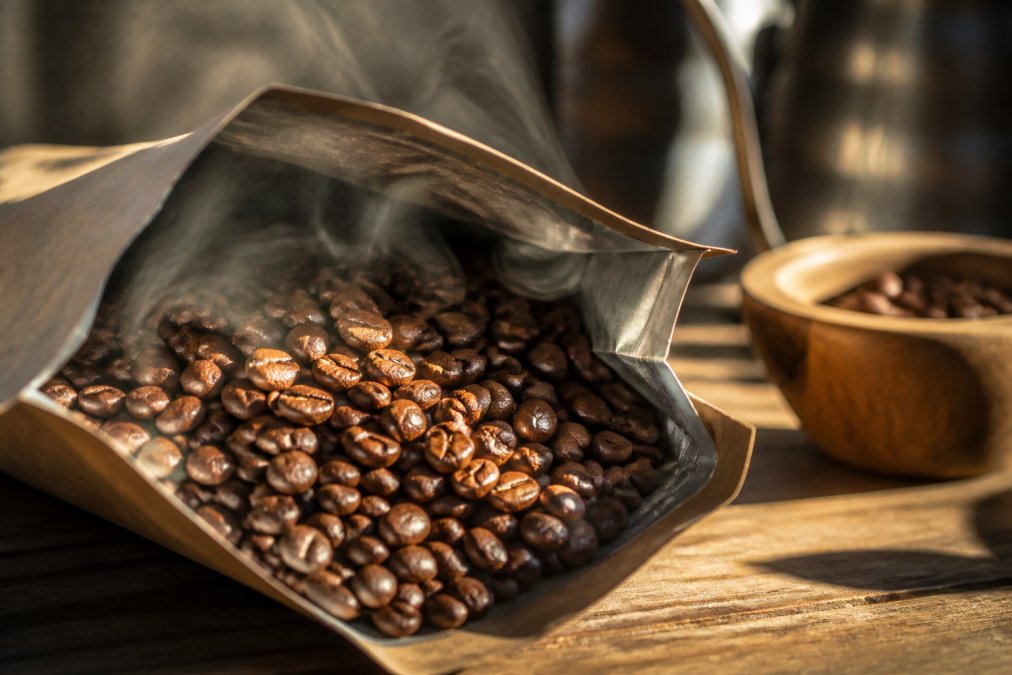
Specialty-grade certification matters too. Specialty coffee, defined by the Specialty Coffee Association, scores 80 points or higher on a 100-point scale. Gospel and Grind's carefully sourced beans come from trusted farms with direct relationships, ensuring both quality and ethical sourcing.
Coffee Subscription Pause and Skip Features: Why Flexibility Matters
Pause and skip features separate subscriptions that respect your autonomy from ones that lock you in. A pause function stops deliveries without canceling; skip defers one shipment while keeping your subscription active. Both prevent ordering coffee you don't need yet.
The difference between good and frustrating pause features comes down to implementation. Some let you pause directly in your dashboard with one click; others require emailing support. Cancellation should be equally easy, if it requires a phone call or triggers retention offers, that's a red flag.
Gospel and Grind's subscription emphasizes flexibility. You control your delivery schedule without penalties or surprise charges, acknowledging that coffee consumption varies with travel, work changes, or simply running through your stash faster some months.
Delivery Frequency and Customization Options
Delivery frequency defines how often coffee arrives. Common intervals are every two weeks, monthly, or custom schedules. The right frequency matches your consumption rate.
Setting Your Shipping Interval
Most coffee drinkers consume about one pound per week, making every-two-weeks or monthly deliveries standard. The best subscriptions let you set custom intervals or choose from preset options like every 2, 4, 6, or 8 weeks. Some charge per delivery; others bundle shipping into the subscription price.
Grind Size and Brewing Method Compatibility
Grind size dramatically affects extraction and flavor. Whole beans give maximum control and freshness; you grind immediately before brewing. Pre-ground coffee loses aroma within 15 minutes.
Different brewing methods require different grind sizes: espresso needs fine grinds, pour-over needs medium, French press needs coarse. Gospel and Grind offers whole bean or pre-ground options, accommodating various brewing preferences. Starting with whole bean gives flexibility to adjust grinder settings as you learn what tastes best.
Understanding Roast Profiles and Flavor Selection
Roast profiles are the foundation of coffee flavor. Green beans are heated to 350°F-430°F, triggering chemical reactions that fundamentally change flavor.
Light, Medium, and Dark Roasts: What Changes During Roasting
Light roasts (350°F-380°F) preserve origin flavors most prominently. You taste terroir clearly, a light roast Ethiopian Yirgacheffe presents bright berry and floral notes. Light roasts have higher acidity and more caffeine but can taste thin if under-extracted.
Medium roasts (380°F-410°F) balance origin flavors with roasting flavors like caramel, chocolate, and nuts. They're forgiving and work well across most brewing methods.
Dark roasts (410°F-430°F) emphasize roasting flavors: chocolate, caramel, molasses, sometimes smoky notes. Origin flavors are largely masked. They're bold and full-bodied, ideal for drinkers who prefer heavy coffee.
How Roast Profile Interacts with Brewing Method
Pour-over and manual brewing offer the most control. Light and medium roasts shine here; light roasts especially benefit from pour-over's precision. Dark roasts work but are less forgiving.
Espresso machines demand medium to dark roasts. Espresso's high pressure and fast extraction require beans with enough body and oils. Light roasts often taste sour or thin as espresso.
French press works best with medium to dark roasts. Its aggressive extraction over 4 minutes suits beans with body and oils; light roasts can taste over-extracted and bitter.
Automatic drip machines are most forgiving, working acceptably with any roast, though medium roasts are ideal.
Cold brew works with any roast but shows different characteristics. Light roasts produce bright, tea-like cold brew; medium roasts are balanced; dark roasts are rich and chocolatey. Cold brew's long steeping (12-24 hours) extracts heavily, so even light roasts won't taste sour.
Grind Size and Roast Profile Compatibility
Darker roasts are more brittle and fragment easily, requiring slightly coarser grinds to avoid over-extraction. Lighter roasts are denser and grind finer, needing slightly finer grinds to extract fully. If a subscription offers grind customization, mention your brewing method when ordering.
Tasting Notes and How to Use Them
Tasting notes describe flavors you'll experience. A Peruvian medium roast might list "salted caramel, citrus, and cocoa." These notes are subjective but useful guides. When reading them, assume the roaster's brewing method (usually pour-over or espresso), use notes to identify flavor families you enjoy, and remember that "blueberry" doesn't mean literal blueberry flavor, it's a subtle quality.
Choosing Roast Profiles for Your Subscription
Start by identifying your brewing method and preferred flavor profile. Pour-over drinkers who like bright, complex flavors should choose light to medium roasts. Espresso drinkers wanting bold, balanced shots should choose medium to dark roasts. French press drinkers preferring rich, full-bodied coffee should choose medium to dark roasts. Automatic drip drinkers unsure of preferences should start with medium roasts and a sample pack.
Gospel and Grind's Best Sellers Sample Pack ($20.89) includes six two-ounce packs covering different roast profiles, from the 6Bean dark roast blend through Peru's medium roast single-origin to the Cowboy blend. This variety lets you discover which roast levels resonate with your palate before committing to full-bag subscriptions.

Sustainability and Packaging Considerations
Packaging waste is one of the most overlooked aspects of coffee subscriptions. Unlike one-time purchases, subscriptions deliver multiple packages per year, making packaging material choice significant.
Packaging Materials and End-of-Life Options
Most specialty coffee subscriptions use kraft paper bags with one-way degassing valves, recyclable through standard curbside programs. Some now offer fully compostable bags made from plant-based materials like polylactic acid (PLA), breaking down in commercial composting facilities within 90-180 days. Before subscribing, ask: "What material is your bag made from, and can it go in my curbside recycling?"
Sourcing Certifications and Ethical Trade
Fair Trade Certified ensures farmers receive a minimum price floor ($1.40 per pound for conventional, $1.70 for organic) and work under acceptable labor conditions. Direct Trade roasters work directly with farmers, often paying $2.50 to $4.00 per pound, creating long-term stability. Rainforest Alliance Certified focuses on environmental stewardship and labor practices.
When evaluating sourcing claims, look for specific certifications on product pages, origin transparency (does the roaster name the specific farm?), and price visibility. Roasters paying Direct Trade prices often say so explicitly.
Roast-to-Order and Freshness as Waste Prevention
Roast-to-order production means beans arrive at peak freshness, typically within 3-7 days of roasting. This prevents stale beans from being discarded. Freshness also affects extraction efficiency, fresh beans extract more flavor with the same amount of coffee, reducing consumption over time.
Carbon-Neutral Shipping and Offset Programs
Some subscriptions offer carbon-neutral or carbon-offset shipping through consolidated shipping or purchasing carbon credits from programs like Carbonfund or Gold Standard. Carbon offsets don't eliminate emissions but fund reduction elsewhere.
Making a Sustainable Choice
Prioritize in this order: roast-to-order production (prevents stale-bean waste), transparent sourcing (Fair Trade, Direct Trade, or named farms), compostable or recyclable packaging, and carbon-neutral shipping.
How to Choose the Right Coffee Subscription for Your Needs
Start by assessing your consumption rate. Track how much coffee you drink per week, this determines your ideal delivery frequency and bag size.
Next, consider your brewing method. Your equipment influences grind size preference. If unsure, whole bean gives flexibility to experiment.
Evaluate customization options. Can you choose grind size, roast profile, and delivery frequency? More control is generally better.
Test with a sample pack before committing to a full subscription. Gospel and Grind offers several: the Best Sellers Sample Pack ($20.89) covers multiple roast profiles, the Single Origin Favorites Sample Pack ($20.89) explores different regions, and the Flavored Coffees Sample Pack ($20.89) includes specialty options.

Check pause and skip policies explicitly. Contact customer service to confirm these features work as advertised. Compare pricing relative to quality, Gospel and Grind's single-serve capsules start at $16.99 for 12 packs, with larger quantities available at better per-unit costs.
Finally, assess the company's values. If supporting ethical sourcing or social causes matters to you, research the subscription's sourcing practices. Gospel and Grind's commitment to fighting homelessness demonstrates values beyond just selling coffee.
Choosing a coffee subscription with flexible delivery transforms how you experience your daily cup. The best subscriptions respect your schedule, offer genuine customization, and deliver beans at peak freshness. Gospel and Grind combines roast-to-order production with flexible delivery options and carefully sourced beans from trusted farms. Whether you prefer whole bean, pre-ground, or single-serve capsules, you control your schedule without penalty. Find Your Perfect Roast and experience coffee that adapts to your life, not the other way around.
Frequently Asked Questions
How does roast-to-order coffee keep its freshness during delivery?
Roast-to-order coffee is roasted only after you place your order, then shipped immediately while still at peak flavor. Unlike coffee roasted weeks in advance and stored on shelves, roast-to-order beans retain their aroma and flavor complexity because they haven't begun to oxidize. The sealed packaging protects the beans during transit, ensuring they arrive fresher than coffee you'd buy at a grocery store. Most roast-to-order subscriptions ship within 1-3 days of roasting.
Can I pause or skip deliveries with flexible coffee subscriptions?
Yes, most coffee subscriptions with flexible delivery allow you to pause, skip, or adjust your schedule directly from your account dashboard. Gospel and Grind makes it simple to manage your subscription, skip a month if you're traveling, pause temporarily if you have excess stock, or adjust your delivery frequency without canceling. You maintain full control over your shipping interval, so your subscription adapts to your actual coffee consumption rather than forcing you into a rigid schedule.
What's the difference between single-origin and blend coffees in subscriptions?
Single-origin coffees come from one specific farm or region, showcasing distinct tasting notes tied to that location's climate and soil. They typically highlight flavor profiles like citrus, chocolate, or floral notes. Blends combine beans from multiple origins to create a balanced, consistent cup with more complex flavor layers. For subscriptions, single-origin options let you explore different regions each month, while blends provide reliable, familiar taste. Gospel and Grind offers both, so you can choose based on whether you want variety or consistency.
Is a premium coffee subscription actually worth the cost?
Premium subscriptions cost more upfront than grocery store coffee, but the difference is in freshness and sourcing. Roast-to-order beans retain volatile flavor compounds that grocery coffee loses over time. You're also paying for direct relationships with farms, fair-trade practices, and quality control. For coffee enthusiasts who brew daily, the per-cup cost difference is often just 50 cents to $1 more than mass-market options, a small premium for noticeably better taste and the convenience of direct-to-door delivery.
This article was written using GrandRanker