

How to Tell If Coffee Beans Have Gone Bad: 5 Signs
Table of Contents
- Signs of Rancid Coffee Beans: The 5-Point Freshness Test
- How Long Do Coffee Beans Last? Shelf Life by Roast and Form
- How to Tell If Coffee Beans Have Gone Bad: Why the Roast Date Matters Most
- The Best Way to Store Coffee Beans for Maximum Freshness
- How Packaging Technology Keeps Beans Fresh Longer
- Stale Beans Aren't Always Trash: Repurposing Ideas
- Frequently Asked Questions
Last Updated: September 17, 2026
Signs of Rancid Coffee Beans: The 5-Point Freshness Test
You can tell if coffee beans have gone bad by running five quick checks: smell, surface appearance, bloom, taste, and texture. This simple freshness test takes under two minutes and works on any bag. At Gospel and Grind, we roast to order so beans reach you at peak flavor, but even great coffee has a clock running.
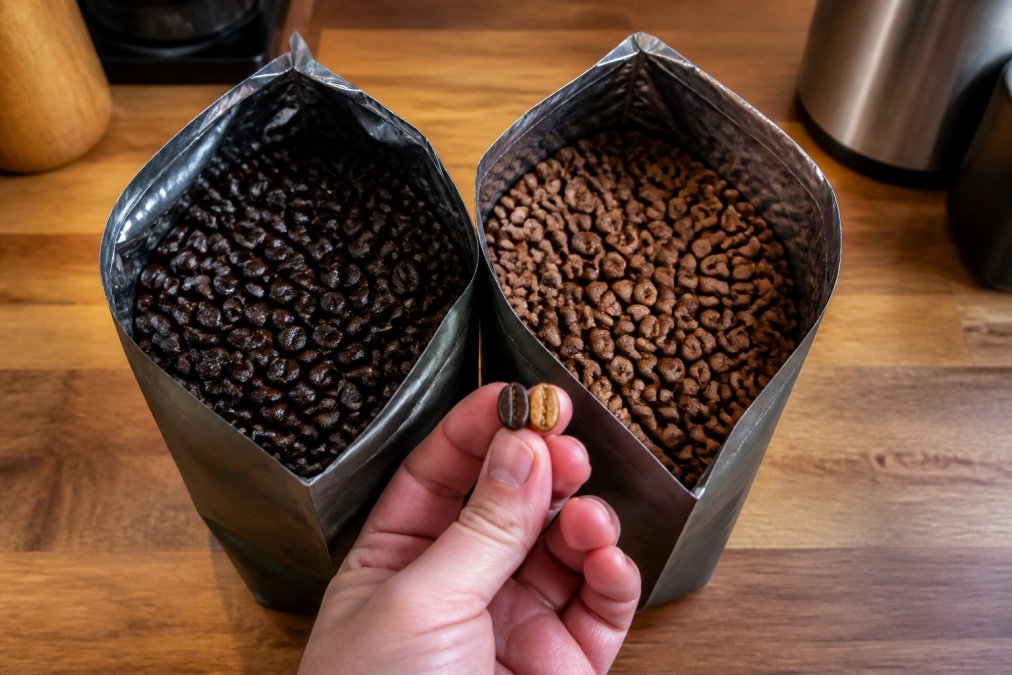
1. Smell the Beans Before You Brew
Fresh beans smell sweet and complex. Stale beans smell flat, papery, or like cardboard. A musty or rancid odor means the natural oils have oxidized. Breathe deep right after opening the bag, because the strongest signal shows up in those first seconds.
2. Check the Surface for Oils and Dull Color
A dark, shiny surface on a light roast is a red flag. Fresh light and medium roasts look matte. Heavy oil sheen usually means the beans have sat long enough for oils to migrate out. Dull, faded color also points to oxygen exposure over time.
3. Listen for the Bloom When You Brew
Pour hot water over fresh grounds and watch. Fresh coffee puffs up and bubbles as carbon dioxide escapes. This is called the bloom. No bloom, no gas, no freshness. A weak or missing bloom is one of the clearest signs of stale coffee.
4. Taste for Sour, Bitter, or Flat Notes
Flavor tells the truth fast. Stale coffee tastes flat, dull, or oddly papery. Sometimes it turns sharply sour or bitter instead. If your usual brew suddenly lacks sweetness and depth, the beans are the likely cause, not your brewing method.
5. Crush a Bean and Check the Texture
Press a single bean between your fingers. Fresh beans snap and feel firm. Old beans crush easily into powder or feel soft and spongy. This texture test takes seconds and needs no equipment.
How Long Do Coffee Beans Last? Shelf Life by Roast and Form
Coffee beans last about two to four weeks at peak flavor after the roast date, though they stay safe to brew far longer. Whole beans hold up better than ground coffee because less surface area meets oxygen. Storage conditions decide whether you get three weeks or three months.
Shelf Life by Roast Level
Roast level changes the clock more than most people realize. The darker the roast, the more oils have been driven to the bean's surface, and surface oils oxidize faster than oils locked inside the bean.
- Light roasts tend to hold their bright, fruity, acidic notes the longest, often four to six weeks at peak, because more of their oil stays protected inside the bean structure.
- Medium roasts sit in the middle, typically three to five weeks, balancing sweetness and body before the top notes fade.
- Dark roasts fade fastest, often two to three weeks, because their oils sit closer to the surface and meet oxygen sooner. That shiny sheen on a dark roast is a sign of oil migration, not necessarily spoilage, but it does mean the countdown is shorter.
Whole Bean vs Ground Coffee
Whole bean coffee keeps its aroma longer. Ground coffee loses freshness fast because grinding exposes far more surface to air. Many coffee lovers find ground coffee tastes flat within a week or two, while whole beans hold peak flavor for several weeks. The reason is surface area: a single whole bean exposes a fraction of the area that the same bean does once it is ground into hundreds of particles, and every exposed surface is a site for oxidation.
Opened vs Unopened Bags
An unopened bag protects beans through its packaging, often a one-way valve or vacuum seal. Once opened, oxygen gets in and the clock speeds up. A common approach is to buy only what you will brew within a few weeks.
| Form | Peak Flavor Window | Notes |
|---|---|---|
| Whole bean, unopened | Longest | Protected by one-way valve |
| Whole bean, opened | 2-4 weeks | Store airtight, away from light |
| Ground, unopened | Shorter than whole bean | More surface exposed |
| Ground, opened | Days to 2 weeks | Brew soon after opening |
How to Tell If Coffee Beans Have Gone Bad: Why the Roast Date Matters Most
The roast date is the single best clue to freshness. Not the "best by" date, which says little about when the beans were roasted. A roast date tells you exactly how long the beans have been degassing and losing aroma. If a bag has no roast date at all, treat it as a warning sign.
The Best Way to Store Coffee Beans for Maximum Freshness
The best way to store coffee beans is in an airtight container, kept cool, dark, and away from moisture. Oxygen, heat, light, and damp air are the four enemies of fresh coffee. Block all four and you slow oxidation to a crawl.
A few habits that protect flavor:
- Keep beans in an opaque, airtight container, not the open bag
- Store in a cool cupboard, not next to the stove
- Buy in smaller amounts you will finish in a few weeks
- Keep the one-way valve intact if you use the original bag
- Grind right before brewing to limit oxygen exposure
What to Skip: Freezer Myths and Countertop Mistakes
The freezer is debated, and for good reason. Moisture is the enemy, and repeated trips in and out create condensation that ruins beans. A countertop jar near a sunny window is just as bad. So is a warm spot above the fridge. Keep it simple: cool, dark, airtight.
How Packaging Technology Keeps Beans Fresh Longer
Packaging does real work, and understanding the mechanics helps you judge a bag before you buy it. After roasting, beans release carbon dioxide for days. That gas is the same carbon dioxide that creates the bloom when you brew. If it escapes into a sealed bag with nowhere to go, the bag puffs up and can even burst.
One-Way Degassing Valves
A one-way valve is a small disc, usually on the front of the bag, that lets carbon dioxide out while keeping oxygen in check. The valve opens under internal pressure from the degassing beans and closes when pressure equalizes, so outside air cannot push back in. This is why a freshly roasted bag feels firm or slightly inflated and why you may smell coffee near the valve.
Nitrogen Flushing and Vacuum Sealing
Nitrogen flushing replaces the oxygen inside the bag with nitrogen, an inert gas that does not react with coffee oils. Because oxidation needs oxygen, removing it slows staling dramatically. Vacuum sealing takes a different route, pulling air out entirely so there is little oxygen left to do damage. Both approaches extend shelf life, but neither stops the clock once you open the bag.
Why Roast-to-Order Shortens the Oxygen Window
The catch is that packaging only buys time. A bag roasted months ago and nitrogen-flushed may still smell acceptable when opened, but it has already spent weeks degassing and losing its brightest aromatics inside the bag. Roast-to-order coffee has an edge because the gap between roasting and your kitchen is short. Less time in transit means less time for oxygen and time itself to dull the cup.
Stale Beans Aren't Always Trash: Repurposing Ideas
Old beans still have uses, even when they have lost their best flavor. Do not toss a bag just because the bloom is weak. Try these instead:
- Cold brew, which masks flat notes with a smooth, low-acid result
- Coffee ice cubes for iced drinks
- A coffee rub for grilled meats
- Compost or garden soil amendment
- DIY body scrub with coffee grounds and oil
Some varieties also age differently. Lighter roasts tend to hold brightness longer, while darker roasts fade faster because their oils sit closer to the surface. If you brew a range of single origins, expect each to age on its own schedule.
Frequently Asked Questions
Can I still use 2-year-old coffee beans?
You can brew them, but the cup will taste flat, dull, and possibly rancid. Coffee beans go stale within weeks of roasting, not years. After two years, the natural oils have oxidized and the carbon dioxide from degassing is long gone, so the bloom won't happen and the flavor profile collapses. If the beans smell musty or like cardboard, discard them. If they merely taste weak, you can stretch them into cold brew or baking where strong coffee flavor is masked.
Does coffee go bad or just lose flavor?
Both happen, and they're linked. Coffee beans go bad through oxidation: oxygen reacts with the natural oils and turns them rancid, producing stale, musty, or cardboard-like smells. At the same time, the beans lose the carbon dioxide trapped inside from roasting, which is what creates the bloom and carries aroma. So the flavor fades first, and then the oils turn. A bag that's a few weeks old may just taste flat; a bag that's months old can actually smell rancid.
When should you throw out coffee beans?
Toss them when the signs of rancid coffee beans are clear: a musty or cardboard smell, a dull matte surface with no aroma, no bloom when hot water hits the grounds, and a sour, bitter, or flat taste. For whole bean coffee stored in an airtight container away from light and heat, that point usually arrives 4 to 6 weeks after the roast date. Ground coffee reaches it faster, often within 1 to 2 weeks. If in doubt, smell first.
What is the best way to store coffee beans to make them last longer?
Keep whole beans in an airtight, opaque container at room temperature, away from light, heat, and moisture. Buy in small batches so you finish the bag within a few weeks of the roast date. Avoid the fridge, since condensation cycles damage the beans, and skip clear canisters on the counter. If you buy more than you'll use in a month, freeze a portion in a vacuum-sealed bag and thaw it once. Whole bean coffee lasts longer than ground because less surface area is exposed to oxygen.
Knowing how to tell if coffee beans have gone bad puts you back in control of your morning cup. The fix is simple: start with beans roasted close to the day you brew them. Gospel and Grind roasts to order for maximum flavor and aroma, delivers fresh beans straight to your door, and supports the fight against homelessness with every purchase. Find your perfect roast and taste the difference fresh makes.