

Social Responsibility in Specialty Coffee: A Complete Guide
Table of Contents
- What Social Responsibility Means in the Specialty Coffee Industry
- Ethical Coffee Sourcing: Building Transparency From Farm to Cup
- Fair Wages in Coffee Production and Producer Equity
- The Social Impact of Specialty Coffee on Farming Communities
- How to Identify Ethical Coffee Brands That Give Back
- Measuring Social Responsibility: Beyond Certifications
- Taking Action: Your Role in Supporting Responsible Coffee
- Frequently Asked Questions
Last Updated: October 16, 2026
What Social Responsibility Means in the Specialty Coffee Industry
Social responsibility coffee in the specialty coffee industry encompasses ethical practices, fair treatment of producers, environmental stewardship, and positive community impact throughout the supply chain. Unlike commodity markets where beans are traded as fungible products, specialty coffee businesses recognize that every cup connects to real people, ecosystems, and communities. At Gospel and Grind, social responsibility coffee isn't a marketing angle, it's a fundamental obligation.
Buying specialty coffee means entering a relationship beyond the roastery: understanding where beans originate, who cultivated them, what they were paid, and whether farming practices protect or degrade the land. A farmer earning poverty wages cannot invest in soil health, pest management, or crop diversity, factors that directly affect the quality and sustainability of future harvests.
This responsibility operates across multiple dimensions: fair compensation that lets farmers sustain livelihoods, environmental stewardship that protects biodiversity and climate resilience, community investment, and transparency that lets consumers verify their purchasing decisions deliver the promised impact.
Ethical Coffee Sourcing: Building Transparency From Farm to Cup
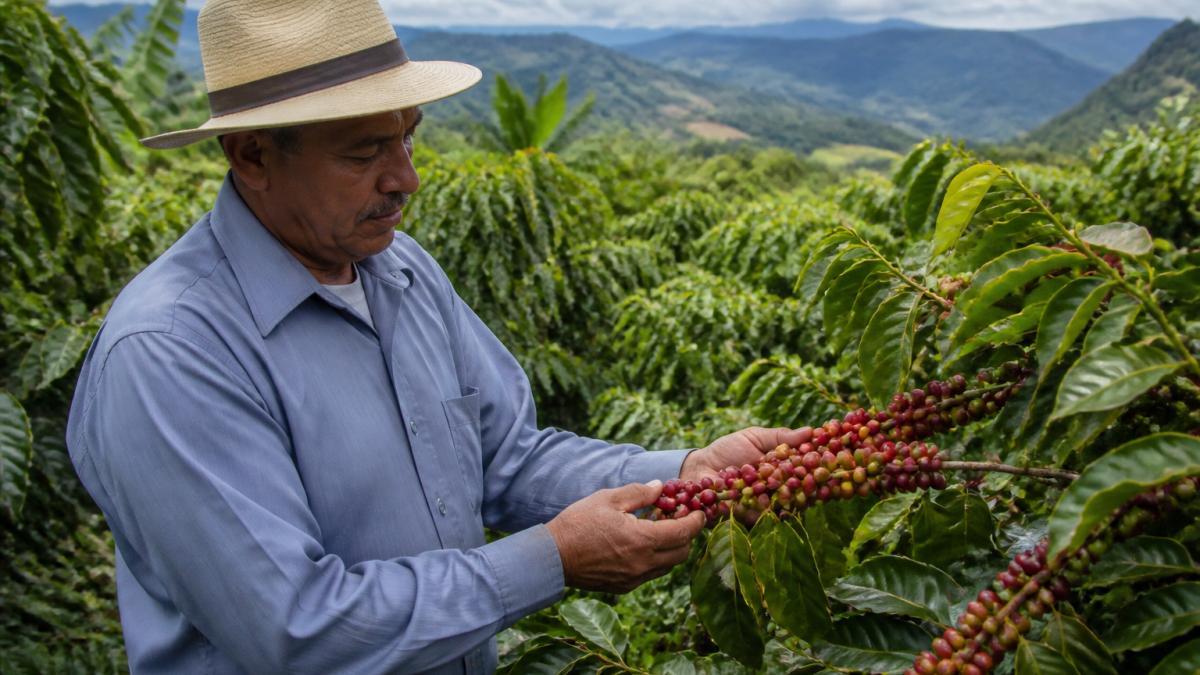
Ethical coffee sourcing begins with direct relationships and verifiable supply-chain transparency, but the harder work is in the details most sourcing pages skip: labor conditions, purchasing practices, and proof of payment. Many specialty roasters now work directly with producers rather than through middlemen, ensuring more value reaches the people growing the beans.
Labor rights beyond the farm gate. Producer price is only one part of social responsibility. Seasonal and migrant pickers, processing-plant workers, and transport crews often fall outside the relationship a roaster has with a farm owner.
Purchasing practices that do not shift risk onto producers. Transparency is not only about price per pound; it is also about who carries the cost of delays, quality disputes, currency swings, and shipping disruptions. Buyers often demand long lead times and strict defect standards while paying late or canceling orders when markets soften.
Verifying origin and payments. Traceability systems track beans from harvest through processing, export, and roasting so buyers and consumers can verify the origin story. Practical verification includes lot-level records, farm or cooperative identifiers, and payment confirmations matching the volume purchased.
Accountability when something goes wrong. Responsible buyers publish grievance mechanisms and describe how they respond to labor or environmental violations: suspending purchases pending remediation, funding corrective action, or exiting a relationship with public explanation.
Gospel and Grind sources beans from trusted farms. Our roast-to-order model ensures the coffee reaching your door reflects the freshness only small-batch roasting can deliver. Choosing ethically sourced specialty coffee supports farmers who have the resources to make long-term decisions about their land.
Fair Wages in Coffee Production and Producer Equity
Fair compensation for coffee producers remains one of the most challenging aspects of social responsibility in specialty coffee. The gap between what consumers pay and what farmers receive has historically been enormous: a farmer might receive 10-15% of the retail price, with the remainder split among exporters, importers, roasters, retailers, and other intermediaries.
Addressing this inequity requires moving beyond commodity pricing models, where prices often fall below the cost of production, forcing farmers into debt or abandonment of their farms. Fair wages in specialty coffee typically mean paying prices that reflect the actual cost of sustainable production, quality premiums for superior beans, and multi-year purchase commitments that provide income stability.
Many specialty roasters now publish producer payments explicitly, for example stating they paid a cooperative $3.50 per pound for green beans when the commodity market price was $1.80. This premium reflects the coffee's quality, the environmental practices used to grow it, and the commitment to producer equity. Over time, higher prices let farmers invest in equipment, training, soil improvement, and diversification, improving both their economic resilience and the quality of future crops.
Producer equity also involves decision-making power. Rather than roasters unilaterally deciding what to buy and at what price, ethical relationships include producer input on contracts, quality standards, and long-term planning. Farmer organizations and cooperatives gain leverage when roasters commit to multi-year purchases and transparent pricing, shifting power away from exploitative commodity models.
The Social Impact of Specialty Coffee on Farming Communities
The social impact of specialty coffee extends beyond individual farmer income to reshape entire communities. When specialty coffee premiums flow to producer regions, they create opportunities for infrastructure investment, education, and economic diversification that would not otherwise exist.
Communities that benefit from specialty coffee relationships often invest in schools, water systems, health clinics, and transportation infrastructure. Cooperatives use collective bargaining power to negotiate better prices and terms, then reinvest surplus revenue into community projects. Young people who might otherwise migrate to cities find economic opportunity in farming when specialty coffee premiums make agriculture viable.
However, the social impact is not automatic. Communities benefit most when relationships are built on long-term commitment, transparent communication, and genuine partnership rather than price alone. Roasters that understand local needs, support farmer-led solutions, and commit to multi-year purchasing create more stable impact than those that chase the lowest prices or abandon origins when supply becomes difficult.
How to Identify Ethical Coffee Brands That Give Back
Identifying ethical coffee brands requires moving beyond marketing claims to concrete practices and verifiable commitments. The most useful approach is to score a brand against measurable indicators rather than relying on labels or storytelling.
1. Producer income and price paid. Look for a stated price per pound for specific lots and a comparison to a market benchmark, such as the commodity price or a published farm-gate reference.
2. Contract duration and purchasing practices. Multi-year agreements, pre-season volume commitments, and written quality tolerances signal stability. One-off opportunistic buying at harvest lows signals the opposite. Ask how disputes over quality or delays are resolved and who bears the cost.
3. Worker protections. Beyond the farm owner, ask about wages, housing, safety, and freedom of association for seasonal and processing workers.
4. Traceability and disclosure. Can the brand identify the cooperative, farm, or lot for a specific bag? Does it publish sourcing data, payment records, or an annual impact report?
5. Certification, used carefully. Fair Trade, Rainforest Alliance, and similar programs provide third-party verification of specific standards, but they are not a complete measure.
6. Community investment with evidence. Look for named projects, partner organizations, and reported outcomes rather than general claims about giving back.
7. Remedy and accountability. Ask how the brand responds when a supplier fails a standard. Published grievance policies, corrective-action plans, and willingness to disclose problems are stronger signals than a perfect record with no explanation.
Gospel and Grind's commitment to fighting homelessness demonstrates how specialty coffee businesses can channel social responsibility into concrete action. Ethical brands often support causes that matter to their producers and customers, but supply-chain fundamentals come first.
Measuring Social Responsibility: Beyond Certifications
Certifications like Fair Trade and Rainforest Alliance provide useful benchmarks, but they don't tell the complete story of a coffee brand's social responsibility. True measurement requires examining specific indicators and outcomes.
One practical indicator is producer income stability. Ethical roasters often commit to multi-year purchase agreements at transparent prices, letting producers plan investments and weather market volatility. Ask whether a roaster commits to specific volumes at set prices or sources opportunistically based on market conditions.
Another indicator is investment in producer capacity: funding training in sustainable farming, quality improvement, or business management, and helping producers access credit or equipment. These investments signal confidence in long-term relationships and commitment to producer success beyond simply buying coffee.
Community-level indicators matter as well. Are specific projects funded in producer regions? Can you find evidence of schools built, water systems installed, or healthcare services expanded?
Environmental indicators provide another lens. Responsible sourcing should correlate with measurable benefits: reduced pesticide use, improved soil health, increased biodiversity, or lower carbon emissions. Some roasters track and publish these metrics, letting consumers see the actual environmental impact of their purchases.
Finally, consider accountability mechanisms. How does a roaster respond when commitments aren't met? Do they have independent audits? Do they publish findings when problems are discovered? Brands willing to acknowledge challenges and correct course demonstrate genuine commitment rather than performative responsibility.
Taking Action: Your Role in Supporting Responsible Coffee
Individual coffee purchasing decisions, multiplied across thousands of consumers, create market pressure that drives industry-wide change toward greater social responsibility. Your choices matter, and there are concrete steps you can take to support ethical coffee sourcing.
Start by researching the brands you buy. Read their sourcing stories, look for specific producer names and prices, and examine their community commitments.
Prioritize direct-trade and specialty coffee roasters over commodity brands. Direct relationships create accountability and transparency that commodity supply chains cannot match, and specialty roasters typically invest in understanding their sources in ways mass-market brands do not.
Consider subscription or regular purchasing relationships with ethical roasters. Consistent demand helps producers plan investments and make long-term decisions, and supports the roaster's ability to maintain stable, fair relationships with producers.
Support roasters that channel coffee revenue into social causes. Gospel and Grind's commitment to fighting homelessness demonstrates how specialty coffee businesses can create impact beyond the supply chain. Purchasing from brands with genuine social missions amplifies their ability to drive change.
Engage with your local coffee community. Specialty coffee shops and roasters often host events, tastings, and educational sessions about sourcing and social responsibility, deepening your understanding and connecting you with others who share your values.
Finally, communicate your values to coffee brands. Email roasters to ask about sourcing practices, request information about producer relationships, or express support for their social responsibility initiatives.
Social responsibility in specialty coffee isn't a niche concern, it's becoming the baseline expectation for roasters serious about quality and impact.
Frequently Asked Questions
What is the difference between social responsibility and sustainability in the coffee industry?
Social responsibility in coffee focuses on people: fair wages, safe working conditions, farmer equity, and community investment. Sustainability emphasizes environmental stewardship: soil health, biodiversity, water conservation, and climate resilience. Both matter. A coffee brand practicing social responsibility ensures farmers earn living wages and have decision-making power. A sustainable brand protects the land those farmers depend on. Responsible specialty coffee companies address both, paying fairly while supporting regenerative agricultural practices that preserve soil and ecosystems for future generations.
How can I tell if a coffee brand is actually socially responsible, or is it just marketing?
Look beyond single certifications. Responsible brands publish supply-chain transparency reports naming specific farms, regions, and prices paid to producers. Ask: Does the company share farmer stories and direct relationships? Do they invest in community infrastructure like schools or water systems? Check if they support farmer-led organizations and give producers input on sourcing decisions. Certifications like Fair Trade and Rainforest Alliance matter, but the strongest signal is a brand's willingness to disclose specifics, farm names, payment structures, and measurable community outcomes, rather than vague claims about 'ethical sourcing.'
What role do fair wages play in coffee production?
Fair wages directly determine whether farmers can sustain their livelihoods and invest in their farms. Many coffee farmers earn below the cost of production, trapping them in poverty. When specialty coffee companies pay above market rates and offer social premiums (extra payments for quality or sustainability practices), farmers gain economic stability. This allows them to improve soil health, adopt better agricultural techniques, and send children to school. Fair compensation also strengthens long-term relationships between roasters and producers, reducing supply-chain turnover and supporting the traceability that specialty coffee demands.
How does buying specialty coffee from ethical brands actually help coffee-growing communities?
Direct relationships between specialty roasters and coffee farmers create accountability and sustained investment. When brands commit to long-term purchasing at fair prices, farmers can plan ahead and reinvest in their operations. Beyond wages, ethical specialty coffee companies often fund community projects: school construction, clean water systems, agricultural training, and healthcare access. Some support farmer cooperatives that give producers collective bargaining power. Gospel and Grind, for example, channels profits toward fighting homelessness while sourcing from farms that prioritize producer equity and environmental stewardship.