

What Makes Single Origin Coffee Ethical? A Buyer's Guide
Table of Contents
- Ethical Coffee Is More Than a Label on the Bag
- What Makes Single Origin Coffee Ethical: The Core Factors
- Single Origin vs. Blends: Why Origin Matters for Ethics
- Fair Trade Coffee Certification Requirements and Their Limits
- Direct Trade vs. Fair Trade: Which One Pays Farmers More?
- Ethical Coffee Brands That Give Back to Their Communities
- How to Verify Ethical Coffee: Tools and Questions to Ask
- Conclusion: Your Cup of Coffee Can Do More
- Frequently Asked Questions
Last Updated: September 6, 2026
Ethical Coffee Is More Than a Label on the Bag
The term "single origin coffee" tells you where beans come from, but it says nothing about how the people who grew them were treated. True ethical sourcing depends on supply chain transparency, verifiable labor standards, and roaster-farmer relationships that go beyond a marketing claim. This guide breaks down what makes single origin coffee ethical, so you can buy with confidence rather than guesswork.
Many consumers assume that paying more for a single origin bag automatically supports farmers. That assumption is often wrong. A coffee can be traceable to one farm and still involve exploitative pricing or opaque trading practices. The specialty coffee industry has grown around origin stories, yet the economic reality for growers frequently remains precarious.
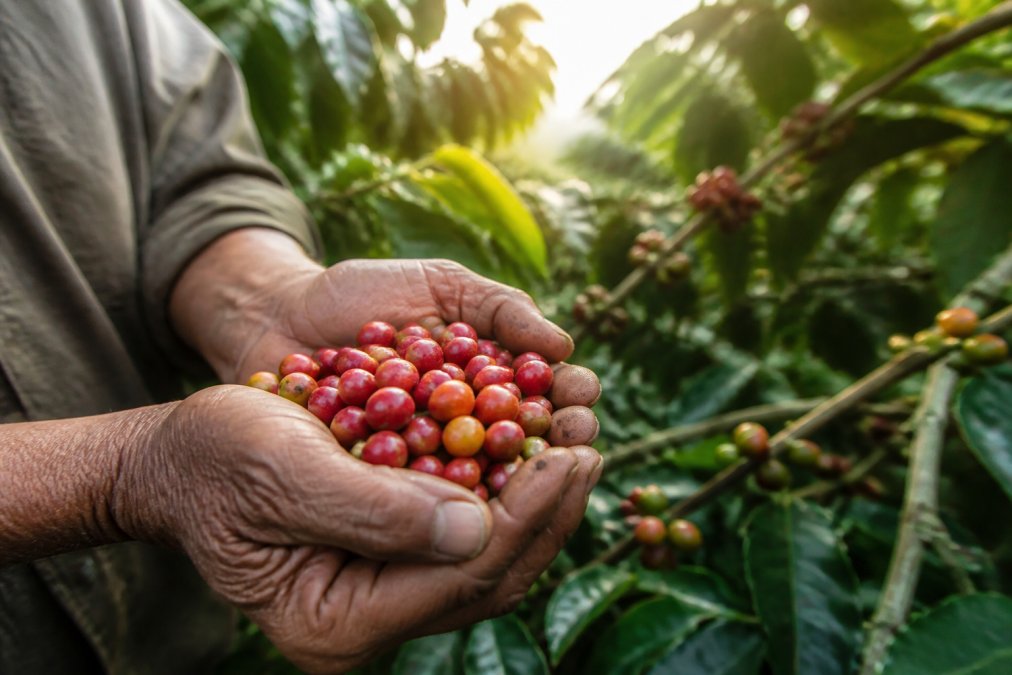
What separates genuinely ethical coffee from well-marketed coffee comes down to verifiable actions: documented farmer payments, long-term purchasing commitments, and third-party audits. Below, we'll show you exactly how to spot the difference and what questions to ask before your next purchase.
What Makes Single Origin Coffee Ethical: The Core Factors
Single origin coffee is ethical when the roaster can demonstrate fair compensation to growers, transparent supply chains, and sustainable farming practices throughout production. These three pillars work together, and the absence of any one of them weakens the entire claim.
Farmer compensation sits at the center. Ethical roasters pay above commodity coffee prices, ideally through direct trade agreements that keep more revenue at the farm level. Supply chain transparency means you can trace your bag back to a specific cooperative, farm, or even a micro-lot. Environmental stewardship covers shade grown practices, organic farming methods, and water-conscious processing techniques.
A common mistake is treating these factors as optional extras rather than baseline requirements. If a roaster cannot tell you the farm name, the elevation, and the price paid per pound, the ethical story is incomplete. The coffee varietal and processing techniques matter for flavor, but they do not substitute for farmer equity.
Single Origin vs. Blends: Why Origin Matters for Ethics
Single origin coffee offers clearer accountability than blends because the supply chain is shorter and easier to audit. When beans come from one cooperative or estate, buyers can verify labor conditions and payment terms directly rather than relying on aggregated sources.
Blends often combine beans from multiple countries, which obscures where the coffee originated and who grew it. That complexity makes third-party verification significantly harder. For conscious consumers, single origin selections provide a practical path to supporting specific farming communities.
The flavor profile also reflects the terroir, elevation, and soil type of one region. An Ethiopia Natural lot from the Sidama zone tastes distinctly different from a Brazil Santos grown in volcanic loam. That specificity is not just about taste; it creates economic viability for farmers who invest in bean quality rather than volume.

Fair Trade Coffee Certification Requirements and Their Limits
Fair trade certification requirements establish a price floor, but to understand its impact, you need to see the numbers. The current Fairtrade Minimum Price for washed Arabica coffee is $1.80 per pound, with an additional $0.30 per pound Fairtrade Premium for community investment. When the New York 'C' market price exceeds $1.80, the minimum price is the market price plus the premium. This mechanism is designed to protect farmers when global commodity prices crash, but it often fails to reflect the true cost of production or provide a living income.
A common pattern is that the cost of sustainable production, labor, inputs, and farm maintenance, can exceed this floor, especially for farms not benefiting from economies of scale. The premium, while valuable for funding schools or healthcare, is paid to the cooperative, not directly to the individual farmer. This means a farmer's personal income is still tied to the volatile commodity market, just with a safety net that prevents catastrophic loss.
Certification also carries a significant cost burden. To become certified, a cooperative must pay for audits and meet administrative standards, a cost often passed down to farmers. This creates a barrier to entry, excluding many smallholders who are not part of a larger, well-organized cooperative. The process is rigorous, but it does not guarantee that the farmer at the end of the chain is earning a living wage.
This is where the 'Single Origin does not equal Ethical' fallacy becomes most apparent. A bag of coffee can carry the Fair Trade label and be traceable to a single cooperative, yet the individual farmer may still be living in poverty. The label is a crucial baseline for environmental and social standards, but it is not a proxy for economic equity. For a deeper dive into the specific standards, the Fairtrade International standards overview outlines the full certification criteria, but the key takeaway is that certification is a floor, not a ceiling.
Direct Trade vs. Fair Trade: Which One Pays Farmers More?
Direct trade generally pays farmers more than fair trade certification because roasters negotiate prices directly with growers, eliminating intermediary costs. The roaster-farmer relationship becomes the foundation for quality improvement and stable pricing.
Direct trade agreements typically involve roasters visiting farms, building multi-year partnerships, and paying well above commodity rates for exceptional lots. Farmers benefit from predictable income and technical support for harvesting methods and processing techniques. The trade-off is that direct trade lacks a standardized certification body, so verification depends on the roaster's transparency.
Fair trade provides a third-party audit trail but caps prices at levels that often do not reflect specialty coffee quality. For farmers producing high-grade beans, direct trade offers better economic viability. When choosing between the two, look for roasters that publish their purchasing practices and farm partnerships openly.
Ethical Coffee Brands That Give Back to Their Communities
Ethical coffee brands that give back extend their commitments beyond farmer payments to social impact programs. But 'giving back' is an unregulated term, and the onus is on you, the consumer, to verify the impact. A brand's marketing page is not a substitute for a third-party audit or a transparent annual report.
When evaluating a brand's social claims, look for specific, verifiable mechanisms. For example, a brand might partner with a specific non-profit and donate a fixed dollar amount per bag sold. The critical question is not 'Do they donate?' but 'How much, to whom, and with what measurable outcome?' A brand that donates 1% of its profits to a general fund is making a different commitment than one that funds a specific housing program and publishes an annual impact report detailing the number of individuals housed.
A practical approach is to ask your roaster for their 'Theory of Change.' This is a management tool that outlines how their activities lead to a specific social outcome. If they cannot articulate the steps between your purchase and the claimed impact, the claim is likely superficial. For instance, a roaster might say they 'support farmers,' but a more credible statement would be, 'We pay an average of $3.50 per pound for our single origin lots, which is 2.5 times the current Fairtrade Minimum Price, and we have a three-year purchasing contract with the cooperative.'
This level of specificity is rare, which is why it is a powerful filter. The Specialty Coffee Association's sustainability resources provides frameworks for assessing social impact claims, but the most effective tool is your own direct questioning. Treat every ethical claim as a hypothesis to be tested, not a fact to be accepted.
How to Verify Ethical Coffee: Tools and Questions to Ask
Verifying ethical claims requires moving beyond package labels and asking pointed questions about sourcing practices. The following checklist gives you a practical starting point for your next purchase.
- Ask the roaster which farm or cooperative produced the beans and request the specific region and elevation
- Request documentation of the price paid per pound compared to the commodity coffee market rate
- Look for third-party certifications like fair trade or organic farming verification
- Check whether the roaster publishes annual sustainability or impact reports
- Confirm the processing method and whether water usage was managed responsibly
The "Single Origin does not equal Ethical" fallacy is the most important concept to internalize. Origin tells you about terroir and flavor, not about labor conditions or farmer equity. Always pair origin information with verified sourcing practices before making assumptions.
USDA Organic certification requirements offers one avenue for verifying farming practices, while Fair Trade USA's certification standards provides another layer of accountability. Using these tools together gives you a clearer picture than relying on any single label.
Conclusion: Your Cup of Coffee Can Do More
Every coffee purchase either reinforces an exploitative system or helps build a fairer one. The difference lies in how much effort you put into understanding what makes single origin coffee ethical and whether the roaster you choose shares that commitment.
Our beans are roasted to order for maximum freshness, carefully sourced from trusted farms with transparent origins, and every purchase supports our mission to fight homelessness. You get a premium, cafe-quality cup while knowing your money supports both farmers and our mission to fight homelessness.
Find your perfect roast and make your morning cup count for more than just caffeine.
Frequently Asked Questions
Does single origin coffee automatically mean it is ethically sourced?
No. Single origin coffee refers to beans from one farm, region, or country. That traceability makes ethical verification easier, but it does not guarantee fair wages or sustainable practices. A farmer can grow excellent single origin beans and still receive commodity prices. Always check for certifications or direct trade relationships that confirm how farmers were paid and how the coffee was grown.
What is the difference between single origin and fair trade coffee?
Single origin describes where coffee comes from, while fair trade is a certification that sets minimum price and labor standards. A single origin coffee may or may not carry fair trade certification. Fair trade guarantees a price floor and requires certain labor conditions, but it does not always reflect the specific quality of a micro-lot. Direct trade relationships often pay more than fair trade minimums.
How can I verify if my coffee beans were sourced ethically?
Ask roasters for specifics: which farm or cooperative did the beans come from, what price was paid per pound, and what certifications apply. Look for third-party audits like Fair Trade or Rainforest Alliance. Check if the roaster publishes details about their sourcing relationships. Many ethical roasters share farm names, altitudes, and processing methods on their bags or websites.
Choosing ethical coffee is not about perfection; it is about direction. Each informed purchase moves the industry toward greater supply chain transparency and farmer equity. Start with single origin beans from roasters who publish their practices, and let your taste buds and your conscience guide you from there.