

Ethical Coffee Brands That Give Back: A Buyer's Guide
Table of Contents
- What Makes an Ethical Coffee Brand
- Fair Trade Coffee Brands and What the Certification Means
- Direct Trade vs. Fair Trade: Understanding the Difference
- How to Identify Ethical Coffee Labels and Spot Greenwashing
- The Impact of Ethical Coffee Purchasing on Farming Communities
- Environmental Sustainability and Coffee Waste Management
- Choosing Your Ethical Coffee Brand: What Matters Most
- Frequently Asked Questions
Last Updated: September 1, 2026
What Makes an Ethical Coffee Brand
An ethical coffee brand is one that prioritizes fair compensation for farmers, environmental stewardship, and transparency throughout its supply chain. But the real difference between a brand that talks about ethics and one that actually practices them comes down to verifiable action.
Most coffee companies use the word "ethical" loosely. They mention sourcing from "partner farms" or "sustainable regions" without explaining what that means. Gospel and Grind takes a different approach: we trace our beans back to specific farms, understand the conditions those farmers work under, and ensure our purchasing decisions directly improve their livelihoods.
What separates genuine ethical coffee brands from greenwashing is accountability. Real ethical brands publish impact reports, submit to third-party audits, and can tell you exactly where your money goes. They don't just source responsibly, they prove it.
The stakes matter here. When you buy coffee from a brand that cuts corners on ethics, you're often supporting systems where farmers earn less than $2 per day while retailers mark up beans by 300-400% (peer-reviewed research). Ethical coffee brands flip that model: they invest in farmer welfare because they recognize that quality coffee starts with farmers who are paid enough to care about their craft.
Fair Trade Coffee Brands and What the Certification Means
Fair Trade certification is a third-party verification system that guarantees minimum prices for coffee farmers and sets standards for working conditions. When you see the Fair Trade label, it means an independent auditor has confirmed that the supply chain meets specific requirements for farmer compensation and environmental practices.
Here's what Fair Trade actually requires: participating cooperatives must receive a minimum floor price for their beans, typically higher than commodity market rates. The certification also mandates investment in community development, a percentage of profits flows back into schools, healthcare, and infrastructure in farming regions. Additionally, Fair Trade standards prohibit child labor, require safe working conditions, and encourage environmental conservation practices like shade-grown cultivation.
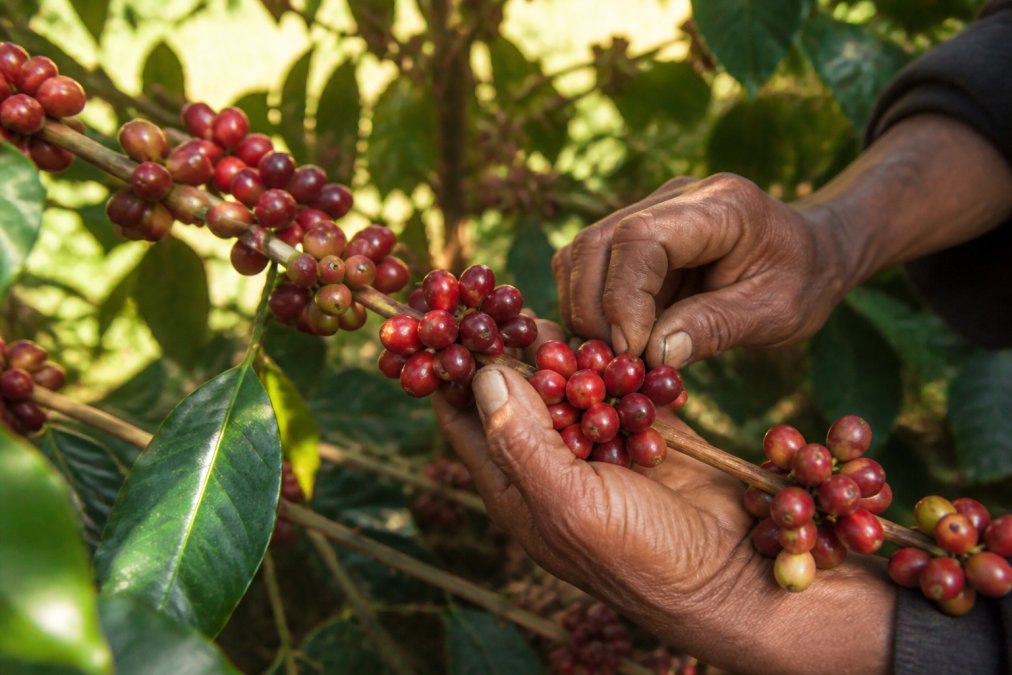
The certification process involves annual inspections and documentation reviews. Farms must demonstrate compliance with labor standards, environmental protocols, and record-keeping requirements. This ongoing accountability is what makes Fair Trade different from voluntary corporate pledges, it's enforceable and transparent.
That said, Fair Trade certification isn't perfect. Some small-scale farmers find the certification costs and paperwork burdensome. Others argue that the minimum price, while helpful, doesn't always reflect the true cost of sustainable farming. But for many farmers, Fair Trade provides a guaranteed income floor that allows them to invest in their farms and communities without gambling on volatile commodity prices.
Gospel and Grind sources from Fair Trade certified cooperatives specifically because we believe in systems with teeth. We know our farmers are protected by enforceable standards, not just marketing language.
Direct Trade vs. Fair Trade: Understanding the Difference
Direct trade and Fair Trade are often confused, but they operate on fundamentally different models. Fair Trade works through certified cooperatives and established price floors. Direct trade, by contrast, involves roasters buying directly from individual farms or small groups of farmers, often at prices negotiated above commodity rates.
The direct trade advantage is relationship depth. When a roaster buys directly from a farm, they can visit the operation, understand the farmer's specific challenges, and negotiate prices that reflect actual production costs rather than relying on a standardized minimum. Some direct trade relationships span decades, creating genuine partnerships rather than transactional exchanges.
The direct trade weakness is verification. Without third-party audits, there's no independent confirmation that farmers are actually being paid fairly or that environmental standards are being met. A roaster might claim direct trade practices, but without audit trails and transparency reports, you're taking their word for it.
Fair Trade offers the opposite trade-off: standardized verification across many farms, but less opportunity for deep farmer relationships. A Fair Trade cooperative might include hundreds of small farmers, making individual relationships impossible while ensuring consistent standards across all of them.
Most ethical coffee brands use a hybrid approach. Gospel and Grind sources from Fair Trade certified cooperatives for the assurance of third-party verification, while also building direct relationships with specific farmer groups when possible.
How to Identify Ethical Coffee Labels and Spot Greenwashing
Not every label claiming sustainability actually means anything. Greenwashing in coffee is rampant, brands use vague language like "responsibly sourced" or "sustainable farming" without backing claims with certifications or data.
Here's how to separate legitimate ethical claims from marketing fiction:
Check for third-party certification. Real ethical brands display logos from recognized certifiers: Fair Trade, Rainforest Alliance, UTZ, or Organic certification from the USDA. These aren't perfect, but they represent independent verification. If a brand claims ethics but shows no certification, ask why.
Look for supply chain transparency. Legitimate ethical brands tell you where their beans come from, ideally by farm name or region, not just "Central America" or "Africa." They publish impact reports showing how much money reaches farmers and what community projects it funds. Gospel and Grind shares this information because we believe transparency builds trust.
Verify environmental claims. "Sustainable" and "eco-friendly" are marketing words. Specific claims matter: shade-grown (protecting biodiversity), organic (no synthetic pesticides), carbon-negative (removing more carbon than production creates). Vague environmental language without specifics is a red flag.
Check pricing against commodity rates. Ethical coffee costs more because farmers are paid fairly. If a brand's pricing matches grocery store coffee, the ethics claim is suspect. Fair compensation requires higher prices, it's that simple.
Research the brand's mission. Gospel and Grind fights homelessness with every purchase because that's core to who we are. Other ethical brands support education, healthcare, or cooperative development. The specific mission matters less than whether the brand actually funds it and reports results.
Greenwashing often uses beautiful packaging and aspirational language. The real signal is accountability: certifications, transparent sourcing, published impact data, and pricing that reflects fair farmer compensation.
The Impact of Ethical Coffee Purchasing on Farming Communities
When you buy from ethical coffee brands, the impact flows directly to farming communities in ways that commodity coffee never reaches. Fair Trade and direct trade models fundamentally change the economics of coffee farming.
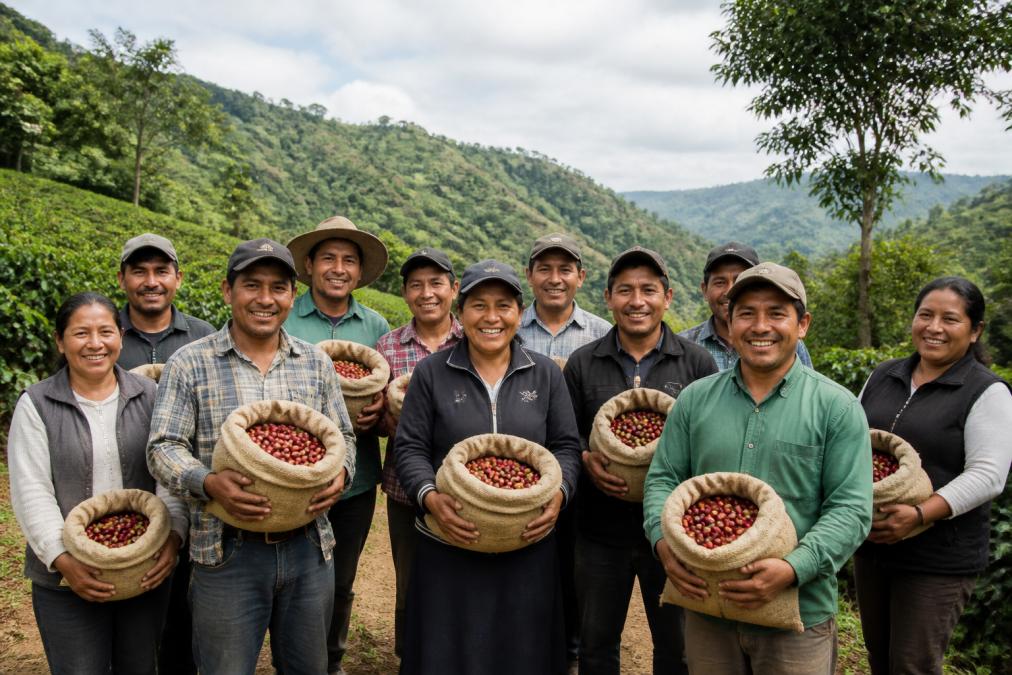
The most immediate impact is income stability. Smallholder coffee farmers typically earn between $1,000 and $3,000 per year from coffee, often living below the poverty line (peer-reviewed research). Fair Trade prices guarantee higher income, typically 30-50% above commodity market rates (fairtrade.net). This difference allows farmers to invest in farm improvements, send children to school, and access healthcare.
Beyond individual farmer income, ethical purchasing supports community infrastructure. Fair Trade cooperatives allocate a percentage of profits to communal projects: school construction, clean water systems, medical clinics, and agricultural training programs. These aren't charity, they're investments that improve farming capacity and community resilience.
Ethical sourcing also encourages agricultural diversification. When farmers have stable income from coffee, they can experiment with shade-grown practices, which increase biodiversity and carbon sequestration. Some farms develop secondary crops like cacao or fruit under coffee canopy, creating additional income streams and ecological benefits.
The social impact extends to women and marginalized farmers. Many Fair Trade cooperatives specifically support women's participation in decision-making and ensure equal pay. This shifts power dynamics in communities where women have historically been excluded from agricultural leadership.
What's often overlooked is the psychological impact. When farmers know their work is valued and their families will benefit, they approach farming differently. They invest in quality rather than volume. They experiment with techniques that improve soil health. They stay in farming instead of migrating to cities for factory work.
Environmental Sustainability and Coffee Waste Management
Coffee farming's environmental footprint is substantial: deforestation, water consumption, pesticide runoff, and biodiversity loss are industry-wide problems. Ethical coffee brands address these through specific practices, but the conversation often misses coffee waste, the part of the industry that happens after harvest.
Shade-grown coffee is the most visible environmental practice. Traditional coffee farming clears forests to plant sun-exposed beans, maximizing yield but destroying habitat and reducing soil health. Shade-grown coffee grows under native tree canopy, protecting biodiversity while improving soil quality and carbon sequestration. Birds return. Insects thrive. Soil holds more water and requires fewer inputs.
Organic certification prohibits synthetic pesticides and fertilizers, reducing chemical runoff that contaminates water supplies in farming regions. Regenerative farming goes further: farmers actively rebuild soil through composting, cover cropping, and reduced tillage, creating carbon-negative production cycles.
But here's what most guides skip: coffee waste management. Coffee processing generates massive waste streams. Pulping coffee cherries produces mucilage that contaminates water if not handled properly. Dried pulp and husks become agricultural waste. Processing water requires treatment before it can be released.
Ethical coffee brands increasingly invest in waste processing infrastructure. Some cooperatives use pulp as compost or biochar, returning nutrients to soil. Others treat processing water through natural filtration systems. A few pioneering operations have achieved near-zero-waste production by composting all byproducts.
Gospel and Grind partners with farms that prioritize these practices because sustainable coffee requires addressing the entire production chain, not just farming practices. We believe environmental responsibility means managing what happens after harvest, not just how beans grow.
Choosing Your Ethical Coffee Brand: What Matters Most
Selecting an ethical coffee brand requires weighing several factors: certification type, transparency level, environmental practices, and mission alignment. There's no single "best" choice, it depends on your priorities.
If third-party verification is your primary concern, Fair Trade certified brands offer the most rigorous independent auditing. If direct farmer relationships and relationship depth matter more, direct trade brands provide that connection, though with less standardized verification. If environmental impact is your focus, look for shade-grown and organic certifications combined with carbon-neutral or carbon-negative claims.
Mission alignment matters too. Some ethical brands support education in farming communities. Others focus on women's empowerment, healthcare access, or cooperative development. Gospel and Grind's mission is fighting homelessness, every purchase supports housing and support services for unhoused individuals. Choose a brand whose mission resonates with your values.
Consider the brand's supply chain transparency. Can they tell you specific farm names or regions? Do they publish annual impact reports? Are their claims backed by third-party audits? Transparency is the clearest signal of genuine commitment.
Price is also a practical factor. Ethical coffee costs more, typically 20-40% above commodity pricing, because fair farmer compensation requires higher prices. If a brand claims ethics but prices match grocery store coffee, the math doesn't work. The price premium is actually a signal of authenticity.
Here's a practical framework: start with certification (Fair Trade, Rainforest Alliance, or Organic), verify transparency through published impact reports, check environmental practices against specific claims, and confirm mission alignment. A brand that scores well across all four dimensions is likely genuinely committed to ethics.
Gospel and Grind checks every box: Fair Trade and direct trade sourcing with transparent farm relationships, published impact data showing homelessness support, environmental practices including shade-grown and carbon-neutral options, and a mission-driven approach that makes each purchase meaningful. But beyond our offering, the framework itself is what matters, use it to evaluate any ethical coffee brand.
When you're choosing where to spend your coffee budget, you're making a choice about what kind of economy you want to support. Ethical coffee brands offer something commodity coffee never will: the certainty that your purchase improves lives. Gospel and Grind makes that choice simple by sourcing from Fair Trade cooperatives, publishing transparent impact reports, and channeling profits toward fighting homelessness. Find your perfect roast and know that every cup matters.
| Certification | Verification Type | Farmer Impact | Environmental Focus |
|---|---|---|---|
| Fair Trade | Third-party audit | Minimum price guarantee | Varies by farm |
| Direct Trade | Roaster verification | Negotiated pricing | Relationship-dependent |
| Rainforest Alliance | Third-party audit | Market-based premium | Biodiversity protection |
| Organic | USDA certification | Variable pricing | Chemical-free farming |
Frequently Asked Questions
Q: What makes a coffee brand truly ethical?
A: An ethical coffee brand prioritizes fair compensation for farmers, environmental stewardship, and supply chain transparency. Look for certifications like Fair Trade or direct trade relationships, shade-grown practices, and verifiable impact reports. The brand should disclose how much farmers earn per pound, support community development projects, and use sustainable agriculture methods that protect biodiversity and reduce carbon emissions.
Q: How can I verify if a coffee brand is fair trade certified?
A: Check the packaging for official Fair Trade certification logos from recognized organizations. Visit the brand's website to confirm their certifications and look for third-party audit verification. Legitimate fair trade brands publish transparency reports detailing farmer payments, cooperative partnerships, and community projects. If a brand claims ethical practices but lacks verifiable certifications or published impact data, it may be greenwashing.
Q: What is the difference between direct trade and fair trade coffee?
A: Fair Trade relies on established certification standards and cooperative structures with minimum price guarantees set by third-party organizations. Direct trade involves roasters buying directly from individual farms or small groups of farmers, often at higher prices and with closer relationships. Direct trade typically offers more traceability and relationship-building but lacks standardized oversight, while Fair Trade provides consistent standards and third-party verification across multiple producers.
Q: Do ethical coffee brands actually make a difference in farming communities?
A: Yes, when properly implemented. Ethical coffee purchasing provides smallholder farmers with living wages, enabling investment in better farming practices, education, and healthcare. Mission-driven brands that support community development projects create lasting economic empowerment. However, impact varies significantly. Brands with published impact reports, third-party audits, and direct partnerships demonstrate measurable results, while those with vague claims may not deliver real change.
This article was written using GrandRanker