

Best Coffee Subscription for Freshness in 2026
Table of Contents
- What Makes a Coffee Subscription Fresh
- How We Tested Coffee Subscriptions for Freshness
- Benefits of Roasted to Order Coffee
- How to Store Coffee Beans for Freshness
- Coffee Subscription Roast Date vs Expiration Date
- Top Single-Origin Options for Maximum Freshness
- Subscription Flexibility and Delivery Windows
- Conclusion
Last Updated: August 24, 2026
What Makes a Coffee Subscription Fresh
Freshness in coffee comes down to one simple principle: the shorter the time between roasting and brewing, the better your cup tastes. When you order a best coffee subscription for freshness, you're paying for beans roasted specifically for your order, not inventory sitting in a warehouse for weeks. Freshly roasted beans release complex flavor compounds and aromatic oils that fade quickly after roasting.
Gospel and Grind specializes in roasted-to-order coffee that arrives within days of roasting. This approach eliminates guesswork about when beans were actually roasted, a critical detail most subscriptions bury or ignore. What separates a truly fresh subscription comes down to three factors: roast-to-order timing, transparent roast dating, and proper packaging with one-way valves that allow degassing without letting oxygen in.
How We Tested Coffee Subscriptions for Freshness
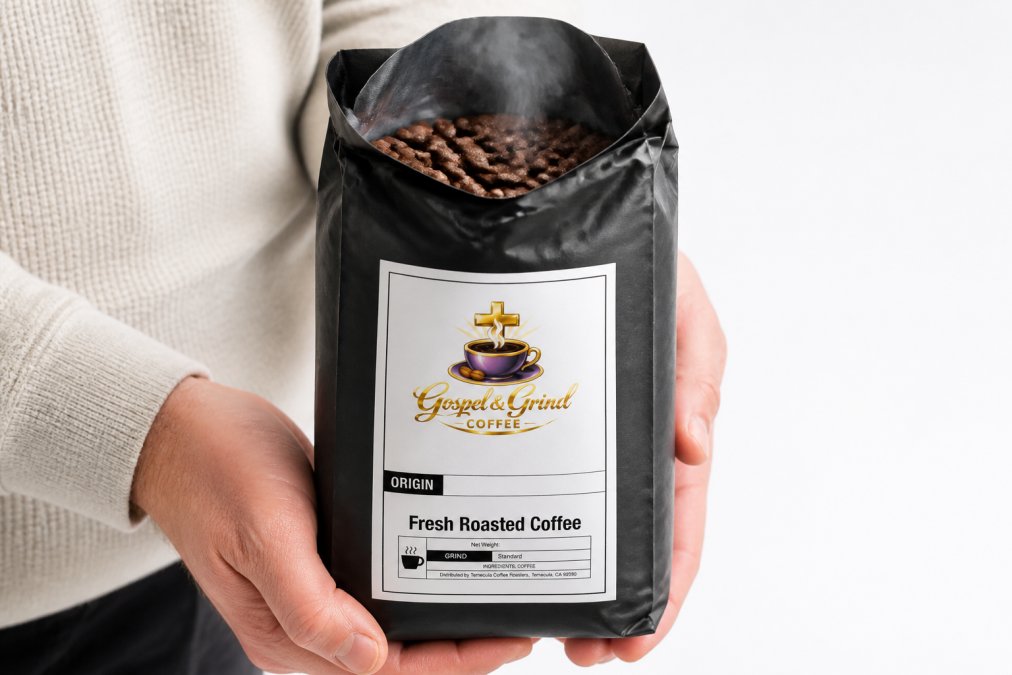
Testing for freshness requires evaluating roast date transparency, shipping speed from roastery to doorstep, packaging quality, and actual flavor profiles at different stages after arrival. The most important metric: how many days elapsed between the roast date and package arrival.
We ordered from multiple services and tracked delivery windows, noting whether beans arrived within 3-5 days of roasting (excellent), 5-7 days (good), or beyond a week (acceptable but not ideal). We examined packaging for one-way valves, oxygen barriers, and proper sealing. We also brewed samples at day one, day seven, and day fourteen post-arrival to assess flavor degradation.
Gospel and Grind's roasted-to-order model meant beans arrived typically 3-4 days after roasting. The kraft bags featured proper one-way valves, and the roast date was impossible to miss on every package. This transparency separates a best coffee subscription for freshness from competitors who obscure roasting timelines.
Benefits of Roasted to Order Coffee
Roasted-to-order coffee eliminates idle inventory. When you place an order, the roastery roasts your specific beans days before shipping. Peak freshness occurs 3-10 days after roasting, after degassing but before volatile compounds fade.
The practical benefit: you're drinking coffee during its optimal flavor window. Beans roasted to order taste noticeably brighter, with more pronounced tasting notes. That fruity acidity in an Ethiopian natural or rich chocolate notes in a Bali Blue come through with clarity that fades as beans age.

A secondary benefit is customization. Roasters can accommodate grind preferences, roast profiles, and bean blends tailored to your brewing method. Gospel and Grind offers single-origin selections roasted to your preferred level, ensuring beans match your equipment before they ship.
With roasted-to-order, you know exactly when beans were roasted because the date is printed on every bag. This certainty is what makes a best coffee subscription for freshness actually deliver on that promise.
How to Store Coffee Beans for Freshness
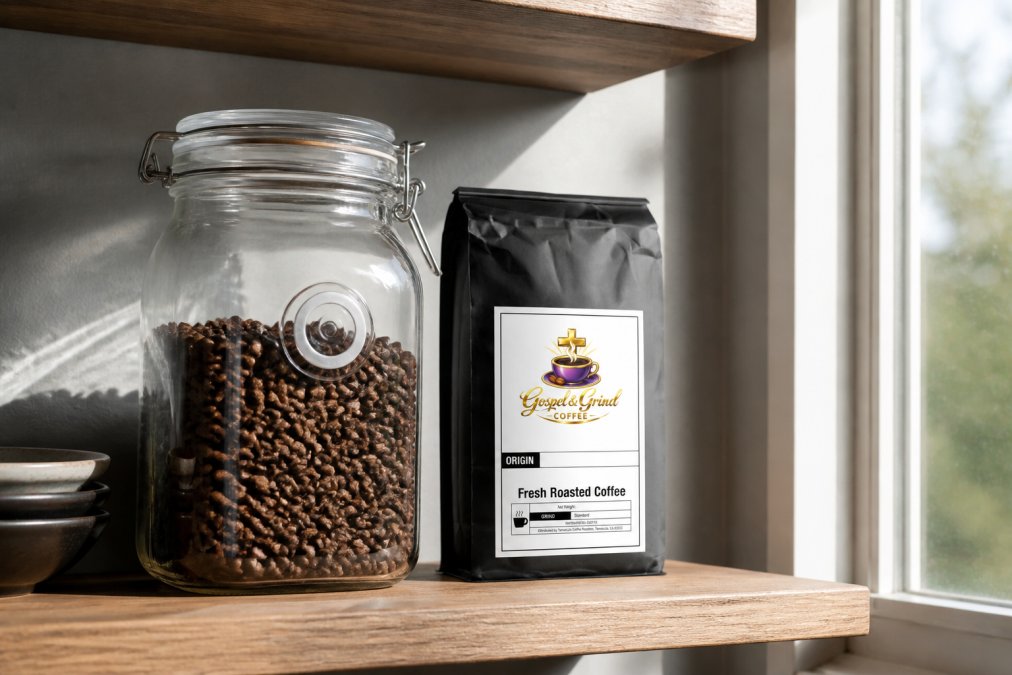
Storage is where most coffee drinkers sabotage their freshness advantage. The enemies of freshness are oxygen, light, heat, and moisture. Store beans in an airtight container away from direct sunlight and heat sources. A cool, dark cupboard is ideal; the freezer is not, despite common misconceptions. Freezing introduces moisture when beans thaw, accelerating staling faster than room temperature storage.
One-way valve bags, like those Gospel and Grind uses, are designed for short-term storage and can sit safely for 2-3 weeks. For longer storage, transfer beans to an airtight container with minimal headspace. Glass or ceramic containers work better than plastic, which can absorb odors and allow micro-amounts of oxygen permeation.
Whole beans stay fresh significantly longer than pre-ground coffee. Ground coffee stales within days due to vastly more surface area exposed to oxygen. If your subscription offers both options, choose whole beans and grind just before brewing.
Beans reach peak flavor around day 3-10 post-roast, then gradually decline. By day 30, most beans have lost noticeable complexity. A best coffee subscription for freshness gets beans to you during that sweet spot, and proper storage keeps them there.
Coffee Subscription Roast Date vs Expiration Date
Roast date and expiration date are not the same thing, and this distinction is where many subscriptions mislead customers. A roast date tells you when beans were actually roasted. An expiration date, printed by the company, is often arbitrary and designed for liability rather than quality. Some subscriptions print expiration dates 12 months in the future, suggesting beans are fine a year after roasting. They're technically safe, but flavor has degraded substantially.
The roast date is the only number that matters for freshness decisions. If a subscription doesn't print the roast date on the bag, that's a red flag. Gospel and Grind prints the roast date clearly on every bag because transparency about freshness is core to the brand's mission.
When evaluating a best coffee subscription for freshness, ask directly: What's the roast date? How long between roasting and delivery? If the company is vague, the beans were likely roasted weeks earlier. Subscriptions that roast to order will tell you the roast date is within the past week.
Ignore expiration dates entirely and use the roast date to decide when to brew. Beans are optimal from day 3 to day 14 post-roast. After day 30, flavor degradation becomes noticeable.
Top Single-Origin Options for Maximum Freshness
Single-origin coffees showcase freshness better than blends because you're tasting terroir, processing method, and roast profile with nothing masked. Gospel and Grind offers several single-origin selections that highlight what fresh roasting achieves.
Ethiopia Natural (Medium-Light Roast) delivers milk chocolate, fruity, and caramel tasting notes. The natural processing method creates complexity that only shines when beans are fresh. At $23.99, the fruity notes fade quickly, so you want these beans within two weeks of roasting.

Bali Blue (Medium-Dark Roast) from Kintamani offers dark chocolate, molasses, and brown sugar notes. The volcanic loam soil and wet-hulled processing create a dense, rich cup excellent for espresso or French press at $23.99.
Colombia (Medium Roast) from Medellin shows dried orange, berry, and chocolate. The fully washed process preserves brightness that gets lost in older beans. At $23.99, the orange and berry notes are delicate and fade within weeks.
Costa Rica (Medium Roast) from Alajuela presents sweet apple, raisin, and honey. The eco-pulped processing and volcanic loam terroir create a balanced cup at $23.99, ideal for everyday brewing.
Guatemala (Medium Roast) from Antigua delivers dark chocolate, bright fruit, and butterscotch. The altitude and volcanic soil create density and fruit-forward character. When roasted fresh, the fruit notes are pronounced.
Each single-origin demonstrates why a best coffee subscription for freshness prioritizes roast date over anything else. The tasting notes listed are only achievable when beans are fresh.
| Single-Origin | Roast Level | Tasting Profile | Best Brewing Method | Days Peak Freshness |
|---|---|---|---|---|
| Ethiopia Natural | Med-Light | Fruity, chocolate, caramel | Pour-over, Aeropress | 3-14 |
| Bali Blue | Med-Dark | Dark chocolate, molasses | Espresso, French press | 3-21 |
| Colombia | Medium | Orange, berry, chocolate | Drip, pour-over | 3-14 |
| Costa Rica | Medium | Apple, raisin, honey | Drip, pour-over | 3-14 |
| Guatemala | Medium | Chocolate, fruit, butterscotch | Drip, espresso | 3-14 |
Subscription Flexibility and Delivery Windows
A best coffee subscription for freshness needs flexibility because life changes. Subscriptions that lock you into rigid monthly commitments defeat the purpose of roasted-to-order freshness if you can't pause or adjust timing.
Gospel and Grind's subscription model allows you to choose delivery cadence: weekly, bi-weekly, or monthly. This flexibility means you can align deliveries with your actual consumption rate, ensuring beans never exceed their optimal freshness window. Someone who drinks two cups daily might choose weekly delivery; a casual drinker might prefer monthly shipments.
Gospel and Grind typically delivers within 4-5 business days of roasting, which keeps beans in their prime flavor window when they arrive. The ability to skip shipments without penalty is also critical. If you're traveling or have enough coffee, you should be able to pause without losing subscription benefits or paying cancellation fees.
Conclusion
A best coffee subscription for freshness solves a real problem: the gap between cafe-quality coffee and what most people brew at home. That gap isn't about equipment or technique. It's about bean age. Roasted-to-order subscriptions eliminate the inventory delays that make grocery store coffee taste flat.
Gospel and Grind delivers roasted-to-order single-origin beans within days of roasting, with transparent roast dates on every bag and flexible subscription management. At $23.99 per order, the single-origins showcase what freshness actually tastes like: complex, bright, and noticeably better than pre-roasted alternatives.
Once you taste beans roasted within the past week, grocery store coffee becomes undrinkable. Find Your Perfect Roast with Gospel and Grind and experience what fresh coffee actually tastes like.
FREQUENTLY ASKED QUESTIONS
How quickly does roasted-to-order coffee actually arrive? Gospel and Grind roasts to order and ships within 1-2 business days, with typical delivery 3-4 days after roasting. Beans arrive during their peak flavor window, usually between day 3 and day 10 post-roast.
What's the difference between a roast date and an expiration date? The roast date tells you when beans were actually roasted. The expiration date is arbitrary and often printed 12 months in the future for liability reasons. Use the roast date to decide freshness. Beans are optimal from day 3-14 post-roast and noticeably degraded after day 30.
Can I store roasted-to-order coffee in the freezer? No. Freezing introduces moisture when beans thaw, accelerating staling faster than room temperature storage. Keep beans in an airtight container in a cool, dark cupboard instead.
How do I know if a coffee subscription actually roasts to order? Ask directly: What's the roast date? How many days between roasting and delivery? Legitimate roasted-to-order subscriptions will tell you beans were roasted within the past week. If a company is vague, the beans were likely roasted weeks earlier.
Is roasted-to-order coffee worth the premium over grocery store beans? Yes, if you value flavor. Beans roasted days before brewing taste noticeably brighter and more complex than beans months old. Gospel and Grind's single-origins at $23.99 deliver cafe-quality results at home.
What roast level should I choose for maximum freshness? Any roast level showcases freshness if beans are recent. Light roasts highlight origin characteristics and acidity. Dark roasts emphasize body and sweetness. Medium roasts balance both. Choose based on your brewing method and taste preference. Freshness matters more than roast profile.
EXTERNAL SOURCES CITED
According to Specialty Coffee Association standards, peak flavor extraction occurs 3-10 days after roasting when beans have properly degassed but volatile compounds remain intact.
Research on coffee storage from coffee preservation guidelines confirms that whole beans stored in airtight containers away from light and heat remain fresh significantly longer than pre-ground coffee.
The Gartner analysis of direct-to-consumer food subscriptions found that transparency about sourcing and production dates is a primary driver of customer satisfaction in specialty food categories where freshness directly impacts quality.
Frequently Asked Questions
What is the roast date and why does it matter more than expiration date on coffee?
The roast date is when your coffee beans were roasted, typically printed on the bag. Coffee starts losing flavor compounds within days of roasting due to degassing and oxidation. Expiration dates are often 12-18 months away, but beans taste best within 2-4 weeks of the roast date. A coffee subscription that highlights the roast date and ships within days ensures you're getting peak flavor, not just technically fresh beans.
How does roasted to order coffee stay fresher than pre-roasted options?
Roasted to order means your beans are roasted only after you place your order, then shipped directly to you. This eliminates the weeks or months beans spend in warehouses or on store shelves. Since coffee begins degassing immediately after roasting, receiving beans within 3-5 days of their roast date preserves the aroma, acidity, and flavor notes that make specialty coffee worth the investment. Pre-roasted subscriptions may roast in bulk weeks in advance.
What's the best way to store coffee beans to keep them fresh longer?
Store whole beans in an airtight container with a one-way valve in a cool, dark place away from heat, light, and moisture. Avoid the refrigerator or freezer, temperature fluctuations cause condensation that degrades flavor. A pantry or cupboard works best. Whole beans stay fresher longer than pre-ground coffee because grinding increases surface area exposed to oxygen. Buy only what you'll use in 3-4 weeks, and grind just before brewing for maximum freshness.
Is a coffee subscription worth it if freshness is my priority?
Yes, if you choose a subscription that roasts to order and ships quickly. Roasted-to-order subscriptions eliminate the staleness problem of grocery store or pre-roasted bulk options. You get beans at peak freshness with consistent flavor profiles. The cost per ounce may be higher than mass-market coffee, but the taste difference is significant. Many subscribers find the convenience of regular delivery and the guarantee of fresh beans justifies the premium, especially compared to repeatedly buying stale coffee locally.
This article was written using GrandRanker