

Fresh Roasted Coffee Beans Subscription: A 2026 Guide
Table of Contents
- What Makes Fresh Roasted Coffee Beans Subscription Different
- How We Evaluated Fresh Roasted Coffee Beans Subscriptions
- Roast Profiles, Single Origin vs Blend Coffee Subscription Options
- How to Store Fresh Roasted Coffee Beans for Maximum Shelf Life
- Coffee Subscription Frequency Guide: Finding Your Delivery Schedule
- Pricing, Sourcing, and What You're Actually Paying For
- Why Freshness, Ethical Sourcing, and Direct-to-Door Delivery Matter
- Conclusion
Last Updated: August 30, 2026
What Makes Fresh Roasted Coffee Beans Subscription Different
The difference between fresh roasted coffee beans subscription services and grocery store coffee comes down to time. Supermarket beans sit in warehouses and on shelves for weeks or months; fresh roasted subscriptions roast to order and ship within days. You're drinking coffee at peak freshness, when beans retain full flavor complexity and aromatic oils.
At Gospel and Grind, fresh, immediately-shipped beans taste noticeably different from aged coffee, the gap between a flat, one-dimensional cup and one with clear tasting notes, brightness, and depth. A fresh roasted Ethiopian Natural with milk chocolate and fruity notes hits completely different when roasted to order versus roasted months prior.
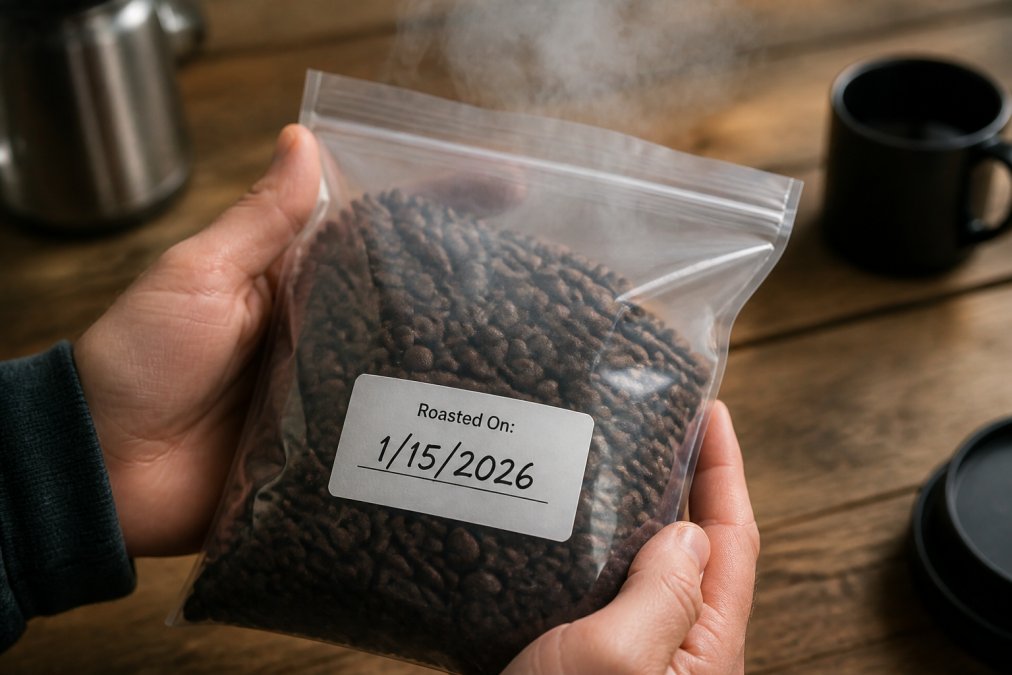
Fresh beans also deliver better crema in espresso, more vibrant extraction in pour-overs, and cleaner clarity in French presses. Roasters dial in specific profiles based on origin and intended use, a medium roast brings out different characteristics than a dark roast from the same bean. Subscription models solve the freshness problem by delivering smaller quantities frequently, keeping coffee fresher longer and letting you experiment with different single-origins throughout the year.
How We Evaluated Fresh Roasted Coffee Beans Subscriptions
We tested services across five dimensions: roast quality and consistency, sourcing transparency and ethics, subscription flexibility, shipping speed and packaging, and pricing relative to quality.
For roast quality, we ordered from multiple services over months, testing the same origins at different times. We examined sourcing by reviewing farm partnerships, direct trade claims, and certifications like Fair Trade or Rainforest Alliance. We evaluated how easy it was to pause, skip, adjust frequency, and cancel without penalties. We timed shipping from order to doorstep and assessed packaging integrity and recyclability. Pricing analysis compared cost per ounce against single-origin quality, roast options, and added value like tasting notes.
| Service Type | Roast Quality | Sourcing Transparency | Subscription Flexibility | Shipping Speed | Value for Price |
|---|---|---|---|---|---|
| Roasted-to-order specialty | High consistency | Detailed farm info | Easy pause/skip/cancel | 3-5 days | Premium but justified |
| Standard subscription | Variable | Basic sourcing info | Limited flexibility | 5-7 days | Mid-range |
| Bulk pre-roasted | Lower freshness | Minimal transparency | Inflexible | 7-10 days | Budget-friendly |
Roast Profiles, Single Origin vs Blend Coffee Subscription Options
A fresh roasted coffee beans subscription typically offers single-origin coffees or blends. Single-origin beans come from one country, region, or specific farm, letting you taste unique terroir characteristics. A single-origin coffee from Ethiopia tastes distinctly different from Kenyan coffee due to altitude, soil, climate, and processing differences. Gospel and Grind's Ethiopia Natural highlights milk chocolate, fruity, and caramel notes from the Sidama zone's high altitude and volcanic soil.
Blends combine beans from multiple origins for consistent flavor. Gospel and Grind's House Blend mixes Central and South American coffees to deliver smooth, clean consistency with nutty, sweet chocolate, and mild citrus notes. Blends suit those wanting predictability; single-origins suit exploration and variety.
Roast profiles determine heat exposure. Light roasts preserve origin characteristics and acidity, ideal for pour-overs highlighting fruity or floral notes. Medium roasts balance origin flavor with roasted notes, working well for most methods. Dark roasts develop bold, smoky characteristics and lower acidity, preferred by espresso drinkers. Gospel and Grind offers medium roasts like Colombia with dried orange, berry, and chocolate notes, lighter options like Ethiopia Natural at medium-light, and darker specialty blends.
The choice depends on brewing method and preference. Espresso drinkers often prefer blends formulated for crema and body. Filter coffee drinkers tend toward single-origins to highlight unique characteristics.
How to Store Fresh Roasted Coffee Beans for Maximum Shelf Life
Fresh roasted coffee beans subscription orders arrive at peak freshness, but storage determines longevity. The enemies are oxygen, light, heat, and moisture. Whole beans stay fresh longest; ground coffee oxidizes faster and loses aroma within days. Store in an airtight container away from direct sunlight, heat sources, and humidity.
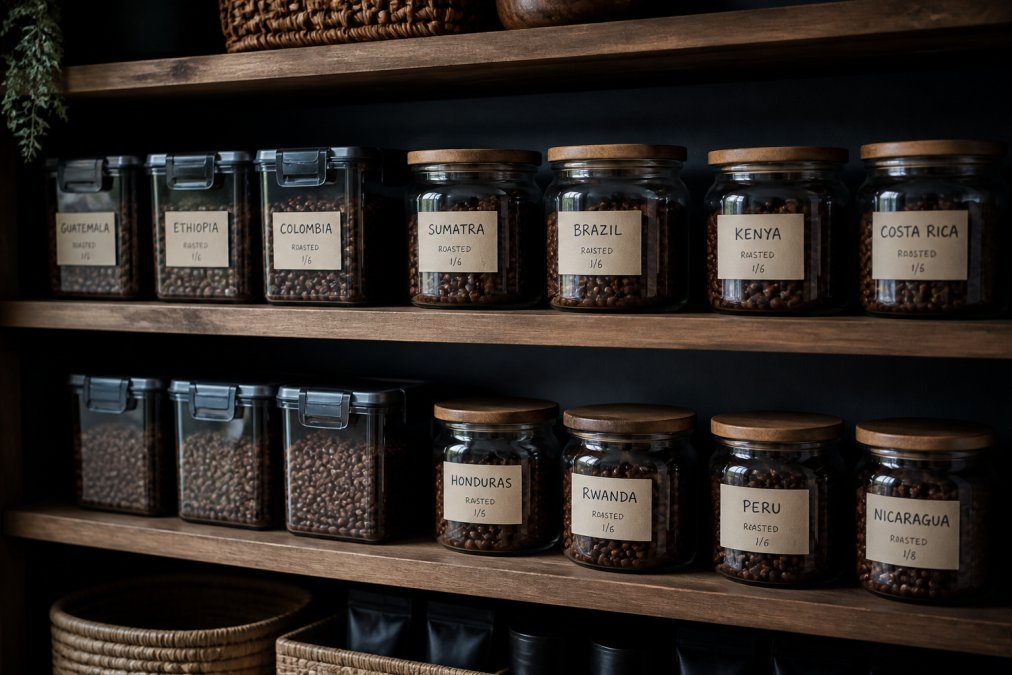
The ideal container is opaque and airtight. Many services ship in bags with one-way valves, good for short-term storage but not ideal long-term. Transfer beans to a glass jar with an airtight seal or use a dedicated coffee canister. Avoid clear containers; light degrades beans. Room temperature is fine; freezers aren't necessary unless storing beans for months.
Whole beans stay fresh 2-4 weeks if stored properly, with the first week at peak freshness (sca.coffee). Ground coffee should be used within days. If you grind all beans at once, you're losing quality.
Avoid refrigerators or freezers, cold temperatures introduce moisture when beans warm up, and flavor compounds degrade faster in cold storage than at room temperature. Keep beans in a cool, dark cabinet instead.
Coffee Subscription Frequency Guide: Finding Your Delivery Schedule
How often should you receive deliveries? It depends on consumption, brewing method, and freshness preference. Most coffee drinkers consume 1-2 cups daily, translating to about 1 pound of beans per week.
Weekly subscriptions keep beans fresh and prevent stockpiling. Bi-weekly subscriptions work if you drink less or prefer fewer origins per month. Monthly subscriptions are common but require proper storage since beans lose optimal freshness after 3-4 weeks.
Espresso drinkers often prefer weekly or bi-weekly deliveries because espresso machines are sensitive to freshness and roast date. Filter coffee drinkers have more flexibility; pour-overs work with beans up to 4 weeks old, though they taste better fresh.
Most services let you adjust frequency anytime. Gospel and Grind understands coffee needs aren't static, you might want weekly deliveries in winter, then switch to bi-weekly in summer. Look for services that make changes simple without penalties.
Pricing, Sourcing, and What You're Actually Paying For
A fresh roasted coffee beans subscription costs 2-3 times more per pound than grocery store coffee. Understanding what you're paying for helps determine if the premium is worth it.
Gospel and Grind's single-origin coffees start at $19.99 to $23.99 per 12-ounce bag. Blends like the House Blend are $23.99 per 12-ounce bag. These prices reflect direct farmer relationships, roasting to order (requiring lower batch volumes and more labor), and direct-to-door shipping. A subscription includes sourcing transparency, detailed information about farms, altitude, processing, and tasting profiles.

Compare this to grocery store coffee at $8-12 per pound. The difference isn't just freshness; it's traceability. Gospel and Grind sources from named farms, smallholder farmers in Medellin for their Colombia, the Sidama zone for their Ethiopia Natural. You know exactly where your coffee came from. Many grocery beans are commodity coffee with no farm-level transparency.
Direct trade and fair trade sourcing cost more because farmers receive premium prices for quality beans, supporting sustainable practices and fair wages. Roasting to order adds cost since small batches require more labor than bulk roasting, but it's the only way to guarantee freshness.
Sample packs offer lower-commitment entry. Gospel and Grind's Best Sellers Sample Pack ($20.89) includes six 2-ounce packs to taste multiple origins before committing to full-size bags. The Single Origin Favorites Sample Pack ($20.89) samples six different single-origins.
Why Freshness, Ethical Sourcing, and Direct-to-Door Delivery Matter
Freshness is the primary reason specialty roasters exist. A fresh roasted coffee beans subscription guarantees beans roasted within days of arrival, not weeks or months. This freshness translates directly to flavor, brighter acidity, clearer tasting notes, better body, and longer-lasting aroma. After a few cups, grocery store coffee tastes flat by comparison.
Ethical sourcing matters because coffee farming is labor-intensive and often underpays farmers. Subscriptions partnering directly with farms or cooperatives ensure farmers receive fair prices. Gospel and Grind's sourcing from smallholder farmers in Medellin, the Sidama zone, and Antigua means your money supports those communities directly. Direct relationships also encourage sustainable practices, shade-grown coffee, soil conservation, and water management.
Direct-to-door delivery completes the freshness promise. Roasting to order is only valuable if coffee reaches you quickly. Services shipping within 24-48 hours of roasting preserve the peak freshness window, avoiding retail markups and warehouse delays.
Some services add mission-driven elements beyond quality. Gospel and Grind directs a portion of proceeds toward fighting homelessness. For conscious consumers, this aligns coffee purchases with values.
Specialty Coffee Association standards define freshness windows and quality benchmarks that roasters use to guide their process.
Conclusion
A fresh roasted coffee beans subscription delivers coffee at peak freshness with transparent sourcing and direct-to-door convenience. Choose between single-origin exploration and blend consistency, weekly or monthly frequency, and sample packs versus full-size bags based on your taste and consumption. Proper storage in airtight containers away from light and heat extends freshness. The price premium reflects roasting quality, ethical sourcing, and small-batch logistics.
For coffee enthusiasts prioritizing flavor and freshness, a subscription is worth the investment. Gospel and Grind offers single-origin and blend options roasted to order with sourcing transparency and direct shipping. Their House Blend ($23.99) and Colombia single-origin ($23.99) are ideal starting points, or try the Best Sellers Sample Pack ($20.89) to explore multiple roasts before committing to a full subscription. Find Your Perfect Roast and experience how fresh coffee changes your daily cup.


Frequently Asked Questions
How do I know if my fresh roasted coffee beans are truly fresh?
Fresh roasted coffee beans should have a roast date printed on the bag, look for beans roasted within the past two weeks. When you open the bag, you'll notice a rich aroma and visible oils on medium to dark roasts. The beans should feel slightly oily (not dry or dusty) and have a glossy appearance. Avoid beans with no roast date or those roasted more than a month ago, as they lose flavor compounds quickly. A roast-to-order subscription ensures maximum freshness by roasting your beans just before shipping.
What's the difference between single origin and blend coffee in a subscription?
Single origin coffees come from one specific region or farm, giving you distinct tasting notes tied to that location's soil, altitude, and processing method. A Kenya single origin might offer bright citrus and floral notes, while an Ethiopia natural brings fruity, chocolate characteristics. Blends combine beans from multiple origins to create balanced, consistent flavor profiles, like a House Blend mixing Central and South American coffees for smooth, nutty sweetness. Blends are ideal if you want reliability; single origins suit adventurous drinkers who enjoy exploring different regions and tasting profiles.
How often should I receive coffee deliveries in a subscription?
Most coffee drinkers use one pound per week, making a bi-weekly delivery (every two weeks) the standard starting point. If you drink multiple cups daily or brew for a household, weekly delivery keeps beans fresher. Light drinkers might prefer monthly shipments. The ideal frequency also depends on your storage conditions, airtight containers in cool, dark spaces preserve beans longer. Many subscriptions offer flexible scheduling, so you can adjust based on consumption and travel. Starting with bi-weekly delivery lets you test freshness levels before committing to a longer interval.
Is paying premium prices for fresh roasted coffee beans actually worth it?
Yes, if you value freshness and flavor. Grocery store beans are often weeks or months old by the time you brew them, resulting in flat, stale taste. Roast-to-order subscriptions ship beans within days of roasting, preserving the complex acids, oils, and aromatic compounds that define specialty coffee. You're also paying for direct trade or fair trade sourcing, smallholder farmers receive better prices, ensuring quality at the source. The difference is noticeable in the cup: brighter acidity, cleaner finish, and distinct tasting notes. For daily coffee drinkers, the quality improvement justifies the cost.
This article was written using GrandRanker