

Why Support Mission-Driven Coffee in 2026
Table of Contents
- What Makes Mission-Driven Coffee Different
- Ethical Coffee Brands That Give Back: More Than Marketing
- The Impact of Fair Trade Coffee on Farming Communities
- Quality and Purpose Don't Have to Compete
- Coffee Companies That Support Charity: Measuring Real Impact
- How Your Purchase Funds Global Outreach and Discipleship
- Making the Switch: What to Expect
- Conclusion
Last Updated: August 20, 2026
What Makes Mission-Driven Coffee Different
When you buy coffee, you're making a choice about more than flavor. Mission-driven coffee represents a fundamental shift in how consumers think about their purchases, and Gospel and Grind has been at the center of this movement. Unlike mass-market brands that treat coffee as a commodity, mission-driven coffee connects your daily ritual to real-world impact.
The difference starts with sourcing. Mission-driven coffee companies work directly with farmers in origin countries, paying fair wages that go beyond industry minimums. This isn't performative, it's structural. When you purchase from a mission-driven roaster, your money flows to communities that depend on coffee farming for survival. Gospel and Grind sources carefully from trusted farms, ensuring that quality and purpose aren't competing values but reinforcing ones.
Beyond sourcing, mission-driven coffee brands commit to transparency in their supply chain. You can trace where your beans came from, how they were processed, and what happens with the profit. This accountability separates genuine mission-driven operations from brands that slap a charity label on commodity coffee. The roasting process matters too, Gospel and Grind roasts to order, maximizing freshness while respecting the time and care that goes into cultivation.
The philosophy underlying mission-driven coffee is simple: your morning cup can fund global outreach, support discipleship efforts, or fight homelessness. That's not a side benefit. It's the entire point.
Ethical Coffee Brands That Give Back: More Than Marketing
Ethical sourcing and fair wages aren't new concepts in coffee, but the implementation varies dramatically. Some brands donate a fixed percentage of profits. Others invest in community development projects directly. The best ones do both while maintaining radical transparency about where money actually goes.
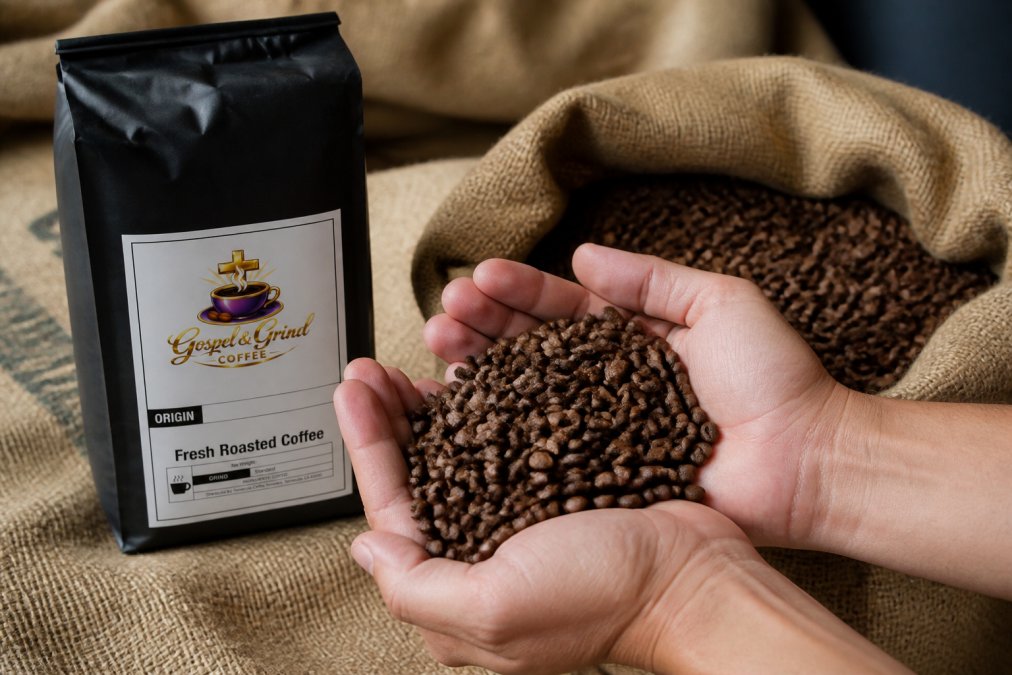
Gospel and Grind stands out because it treats ethical sourcing as non-negotiable rather than optional. Every bean is carefully sourced from trusted farms. The brand builds relationships with growers, ensuring that quality and purpose flow together from farm to roaster.
What separates genuine ethical brands from those simply using the label is measurable impact. Gospel and Grind's commitment to fighting homelessness is concrete. With each purchase, you're funding initiatives that create real change in communities. This isn't vague corporate social responsibility language. It's a direct connection between your coffee order and specific outcomes.
The roasting process amplifies this commitment. Gospel and Grind roasts to order, which means your beans are roasted days before arrival, not weeks or months before sitting on a shelf. This approach honors the work of farmers by delivering maximum flavor and aroma. It also demonstrates that the brand prioritizes quality as seriously as purpose.
Direct trade relationships matter here too. By working with specific farms rather than commodity brokers, ethical coffee brands ensure that farmers receive a larger share of what you pay. The supply chain becomes shorter, more transparent, and more human. Gospel and Grind's approach reflects this philosophy across every product, from single-origin selections to specialty blends like the Whiskey Barrel Aged or Kopi Safari.


The Impact of Fair Trade Coffee on Farming Communities
Fair trade certification has reshaped coffee farming, but the real impact depends on how seriously brands implement the standards. Fair wages mean farmers can invest in their farms, send children to school, and build sustainable livelihoods instead of merely surviving season to season.
When a roaster commits to fair trade principles, farming communities experience tangible shifts. Schools improve. Healthcare access expands. Farmers can experiment with sustainable farming techniques rather than maximizing short-term yield. The economic empowerment that follows creates a ripple effect across entire regions.
Gospel and Grind's sourcing practices reflect this understanding. By paying above-market rates and building direct relationships with growers, the brand ensures that coffee farming becomes a viable long-term profession. This matters because coffee farming is labor-intensive and risky. Without fair compensation, farmers abandon their crops for other work. With it, they invest in the next generation.
Community development projects funded through ethical coffee purchases address immediate needs while building lasting infrastructure. Clean water systems, agricultural training programs, and cooperative structures all emerge from sustained investment. The connection between your purchase and these outcomes is direct, not speculative.
The environmental stewardship aspect of fair trade coffee often gets overlooked. When farmers are paid fairly, they're more likely to adopt sustainable practices that protect soil health, water quality, and biodiversity. Short-term thinking disappears when you're building a multi-generational farm. This means that ethical sourcing supports both social impact and environmental responsibility simultaneously.
Quality and Purpose Don't Have to Compete
This is where most guides miss the mark. They position quality and purpose as a trade-off: you can have excellent coffee or support a cause, but not both. That's false.
Gospel and Grind's entire model proves that quality and purpose reinforce each other. The brand sources specialty-grade beans, roasts to order for maximum freshness, and delivers directly to your door. These aren't compromises made to keep prices down. They're the foundation of how the business operates.
Roasting to order is the clearest example. This approach ensures that every bag arrives at peak flavor and aroma. It also creates a production rhythm that respects both the coffee and the farmer's work. You're not buying beans that have sat in a warehouse losing freshness. You're getting coffee roasted days before it reaches you.
The taste difference is immediate. Premium, carefully sourced beans roasted fresh taste noticeably better than grocery store alternatives. This isn't subjective. Single-origin coffees reveal the terroir of their origin country, the soil, altitude, and processing method all express themselves in the cup. Gospel and Grind's Single Origin Favorites Sample Pack demonstrates this principle across six origins, from Brazilian Santos to Ethiopian single-origins.
Conscious consumerism doesn't require sacrifice. When you choose mission-driven coffee, you're selecting a product that's objectively better while funding meaningful work. The convenience of direct-to-door delivery means you get cafe-quality coffee without leaving home. The mission aspect means your purchase supports global initiatives. Both are real. Both matter.
Coffee Companies That Support Charity: Measuring Real Impact
Impact claims are easy. Impact measurement is hard. The best mission-driven coffee companies prove their impact through transparent reporting, not just marketing language.
Measuring real impact requires specificity. How many people does your purchase help? What exactly does the money fund? When does the initiative begin and how long does it run? Gospel and Grind answers these questions directly. The brand's commitment to fighting homelessness isn't a vague aspiration. It's a measurable initiative funded through every transaction.
Impact measurement metrics should cover three areas: direct outcomes, community reach, and sustainability. Direct outcomes are concrete: how many meals provided, how many people housed, how many trained. Community reach shows whether initiatives create lasting change or temporary relief. Sustainability asks whether programs can continue without constant external funding.
The best coffee companies that support charity also separate social mission from environmental stewardship. These are related but distinct. A brand might excel at fair wages while falling short on sustainable farming practices. Gospel and Grind integrates both, ensuring that your purchase supports farmers economically while protecting the land they depend on.
Transparency in the supply chain extends to impact reporting. You should be able to see where your money goes and what it accomplishes. This level of openness is rare in the coffee industry, where supply chains are often opaque and impact claims vague. Gospel and Grind's approach treats transparency as non-negotiable.
How Your Purchase Funds Global Outreach and Discipleship
This is where the philosophy becomes concrete. Every cup of Gospel and Grind coffee you drink represents a direct contribution to global initiatives that extend far beyond business.
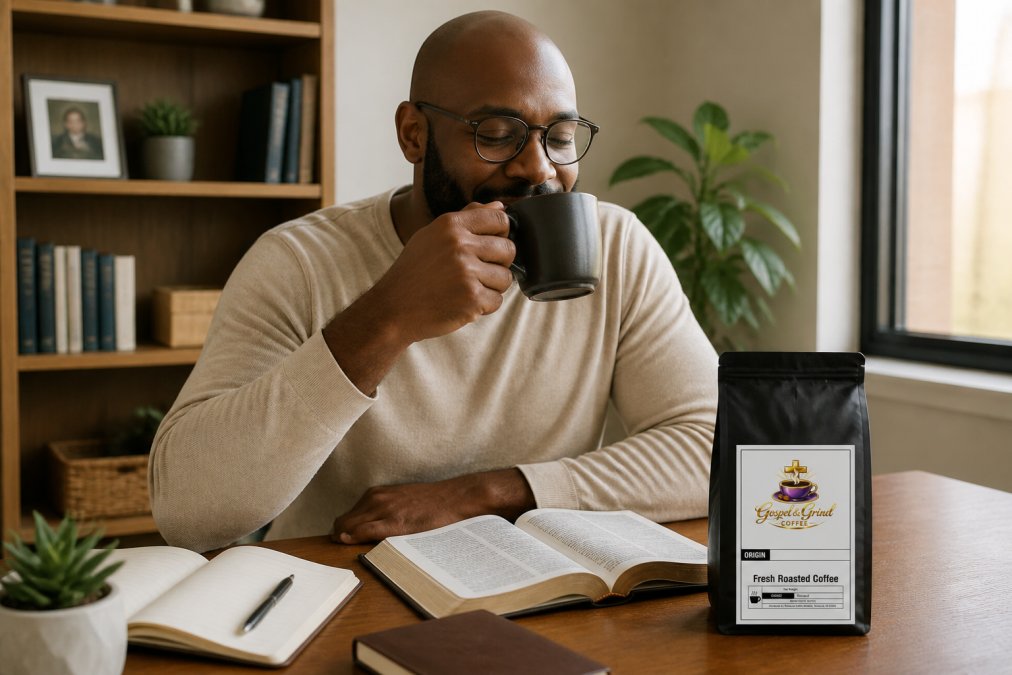
Gospel and Grind's mission to fight homelessness is funded through your purchases. This isn't a percentage of profits that gets donated after expenses. It's integrated into the business model. When you order coffee, you're funding work that transforms lives.
Global outreach through coffee means that farmers in origin countries benefit from fair wages while communities worldwide benefit from charitable work. The connection isn't accidental. It's intentional. Gospel and Grind's approach recognizes that both matter: supporting the people who grow your coffee and supporting communities in need.
Discipleship initiatives funded through mission-driven coffee represent a different kind of impact. Church planting, gospel outreach, and faith-based community work all depend on sustained funding. A mission-driven coffee brand can provide that foundation, turning daily purchases into long-term ministry support.
The mechanics are straightforward. You order coffee. Gospel and Grind roasts it to order, ensuring maximum freshness and flavor. The product arrives at your door within days. A portion of that purchase funds homelessness initiatives and global outreach work. Your morning ritual becomes part of something larger than yourself.
This model works because it doesn't ask you to sacrifice quality for purpose. You're not buying inferior coffee to support a cause. You're buying excellent, carefully sourced, freshly roasted coffee that happens to fund meaningful work. The quality is the product. The impact is the benefit.
Making the Switch: What to Expect
If you're accustomed to grocery store coffee or mass-market brands, switching to mission-driven options creates immediate changes. The most obvious is freshness. Coffee roasted to order tastes noticeably better than beans that have sat on shelves for weeks or months.
The flavor profile will be more complex. Single-origin coffees express the characteristics of their region. A Brazilian coffee tastes different from an Ethiopian one. This isn't better or worse, it's more interesting. Gospel and Grind's approach to sourcing and roasting brings out these nuances rather than flattening them into a generic "coffee" taste.
The ordering process is simple and direct. Gospel and Grind's website makes selection straightforward. Choose your roast level, select whole bean or capsules, and your order arrives within days. The convenience of direct-to-door delivery means you never run out, and you always get fresh product.
Pricing is higher than commodity coffee, but the value is clear once you taste the difference. You're paying for specialty-grade beans, careful sourcing, roasting to order, and fast delivery. You're also funding meaningful work. The Best Sellers Sample Pack offers an affordable entry point to explore multiple options before committing to larger quantities.

Brewing method matters more with higher-quality coffee. The same beans can taste mediocre in a cheap automatic drip machine and excellent in a pour-over or French press. Gospel and Grind's sourcing and roasting practices deserve brewing equipment that honors that quality. This doesn't require expensive gear, even simple methods work well when the coffee is fresh and well-roasted.
The psychological shift is real too. Knowing that your purchase supports fair wages and global outreach changes how you experience your coffee. It's no longer just caffeine. It's a daily reminder of values you hold and work you're funding.
Supporting mission-driven coffee means choosing a brand that treats quality and purpose as inseparable. Gospel and Grind demonstrates that excellence in sourcing, roasting, and delivery can coexist with genuine commitment to fighting homelessness and supporting global outreach. The coffee tastes better because it's roasted to order. Your purchase funds meaningful work because the business model prioritizes impact. When you choose mission-driven coffee, you're not making a sacrifice. You're making an investment in both the cup in front of you and the communities behind it. Find your perfect roast and join a movement that proves purpose and quality belong together.
Frequently Asked Questions
What does it mean for a coffee brand to be mission-driven?
A mission-driven coffee brand commits to a specific social or environmental purpose beyond profit. For Gospel and Grind, that means fighting homelessness through every purchase. These brands prioritize ethical sourcing, fair wages for farmers, and transparent supply chains. They measure and report their impact, ensuring your money directly supports their stated cause rather than just marketing language. Mission-driven companies often roast to order for maximum freshness and work directly with growers who share their values.
How does the impact of fair trade coffee actually reach farming communities?
Fair trade coffee ensures farmers receive guaranteed minimum prices and long-term contracts, protecting them from market volatility. These premiums fund community development projects like schools, clean water systems, and healthcare. Farmers also gain access to training on sustainable farming practices and quality improvement. Gospel and Grind sources carefully from trusted farms, meaning your purchase directly supports economic empowerment in origin countries. Transparency in the supply chain lets you trace where your coffee comes from and how growers benefit.
Is mission-driven coffee always more expensive, and is the quality difference real?
Mission-driven coffee typically costs more than grocery store options because of ethical sourcing, direct trade relationships, and roasting to order for maximum freshness. Gospel and Grind's specialty-grade single origins start at $18.89 for roasted-to-order beans, higher than mass-market brands, but comparable to specialty coffee shops. The quality difference is measurable: roasted-to-order ensures peak flavor and aroma, while single-origin selections showcase distinct tasting profiles. You're paying for both superior taste and verified social impact, not just a feel-good story.
How can I verify that a coffee company's charitable mission is actually making an impact?
Look for transparency in impact reporting: specific numbers of people helped, projects funded, and how much of each purchase goes to the cause. Ask whether the brand partners with established nonprofits or operates its own programs. Gospel and Grind's commitment to fighting homelessness should be backed by clear metrics and regular updates. Check for third-party certifications like Fair Trade or direct trade partnerships. Honest mission-driven brands share their supply chain details, grower stories, and measurable outcomes, not vague promises.
This article was written using GrandRanker